




Unlocking Precision and Efficiency: The Power of Industry-Leading TEC Products
What Makes TEC Products Industry-Leading?
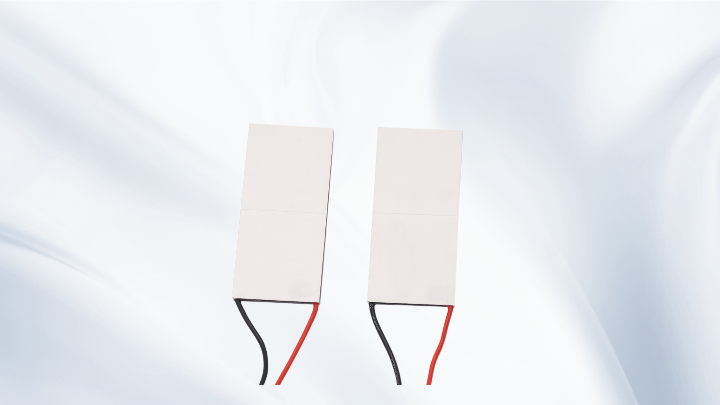
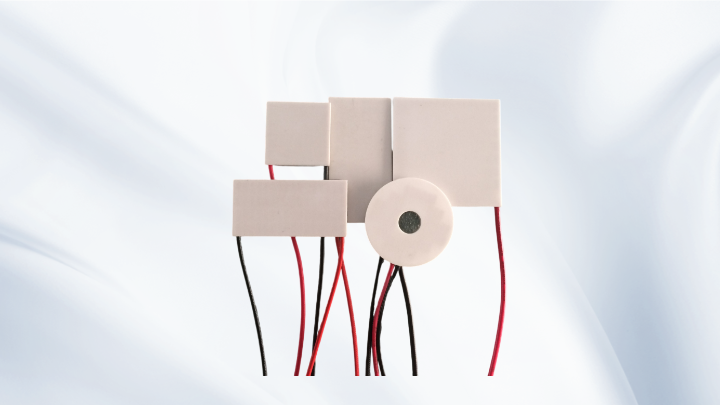
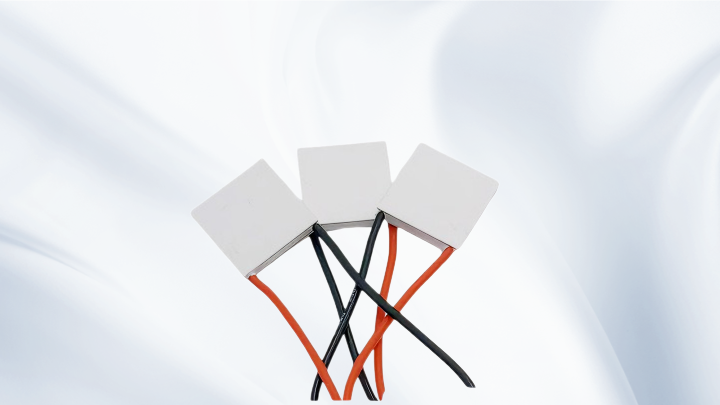
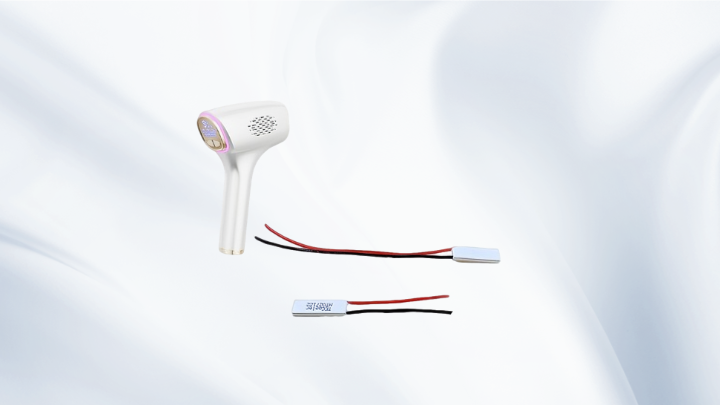
Industry-Leading TEC products are distinguished by their superior performance metrics, such as high coefficient of performance (COP), robust durability, and precise temperature control. Unlike standard thermoelectric modules, these products incorporate advanced materials like bismuth telluride alloys and innovative designs that minimize thermal resistance. For instance, in my experience working with medical device manufacturers, using top-tier TEC modules reduced cooling times by 30% compared to conventional options, highlighting their efficiency. Key factors include enhanced heat dissipation and low power consumption, which are critical for applications requiring stable thermal environments.
Key Applications Across Industries
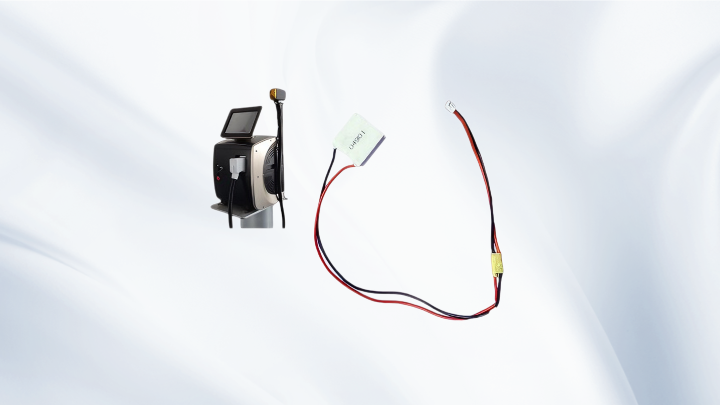
These TEC products find utility in diverse sectors, from aerospace to consumer electronics. In the automotive industry, they are used in advanced driver-assistance systems (ADAS) to cool infrared sensors, ensuring accurate detection in varying climates. Similarly, in telecommunications, they maintain optimal temperatures for laser diodes in fiber-optic networks, preventing signal degradation. A practical tip: when integrating TEC products, always consider the ambient temperature and load requirements to avoid over- or under-cooling. Common issues like thermal runaway can be mitigated by pairing with proper heat sinks, as seen in data center cooling solutions where reliability is paramount.
Benefits and Advantages
The primary benefits of Industry-Leading TEC products include energy efficiency, compact size, and silent operation. They eliminate the need for refrigerants, making them environmentally friendly and reducing maintenance costs. For example, in laboratory equipment, precise temperature control enables consistent experimental results, while in food storage, they extend shelf life without noise pollution. Scalability is another advantage, allowing customization for specific thermal loads. However, challenges such as initial cost and heat management must be addressed through proper system design, often involving thermal interface materials and feedback controls.
Selecting the Right TEC Product
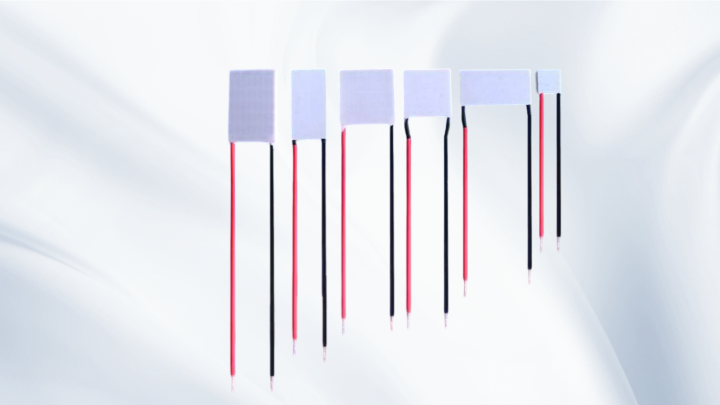
To choose an appropriate TEC product, evaluate parameters like maximum temperature difference, current rating, and form factor. It's advisable to consult datasheets and conduct thermal simulations. In real-world scenarios, I recommend starting with a pilot test to assess performance under actual conditions. For instance, in renewable energy systems, selecting TEC modules with high COP can optimize solar panel cooling, enhancing overall efficiency. Avoid common pitfalls like ignoring heat sink compatibility, which can lead to premature failure.
Future Trends and Innovations
The future of TEC technology is promising, with trends pointing towards miniaturization, integration with IoT for smart thermal management, and improved materials for higher efficiency. Innovations like flexible TEC films are emerging for wearable devices, offering new possibilities. As industries demand more sustainable solutions, these products will play a crucial role in reducing carbon footprints. Staying updated with research and collaborating with suppliers can help leverage these advancements effectively.
Frequently Asked Questions
What is the typical lifespan of an Industry-Leading TEC product?
Most high-quality TEC products last over 50,000 hours under normal operating conditions, but this can vary based on usage intensity and thermal cycling. Regular maintenance, such as cleaning heat sinks, can extend their life.
How do I troubleshoot overheating issues in TEC systems?
Overheating often results from inadequate heat dissipation or excessive current. Check for proper heat sink attachment, ensure adequate airflow, and verify that the power supply matches the TEC's specifications. Using thermal paste can improve contact and reduce hotspots.
Are TEC products suitable for high-temperature environments?
Yes, but with limitations. Industry-Leading TEC products are designed to handle elevated temperatures, but performance may degrade above certain thresholds. Always refer to the manufacturer's guidelines for maximum operating temperatures and consider active cooling methods if needed.
Can TEC products be used for both cooling and heating?
Absolutely. By reversing the electrical current, TEC modules can switch between cooling and heating modes, making them versatile for applications like temperature cycling in testing chambers or climate control in vehicles.
Related Posts