




Unlocking Precision Cooling: The Power of Industry-Leading TEC Devices
What Are TEC Devices and How Do They Work?
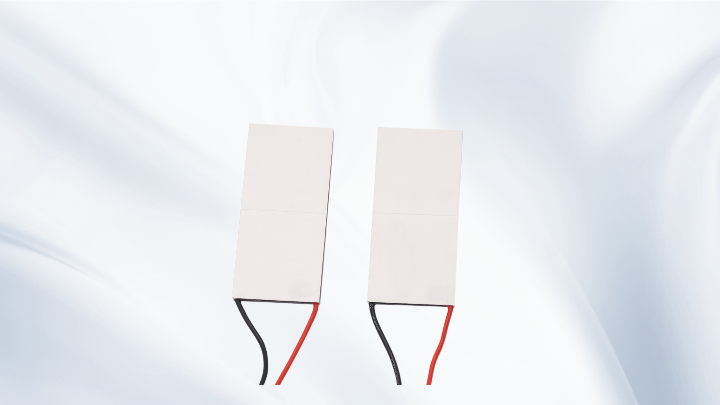
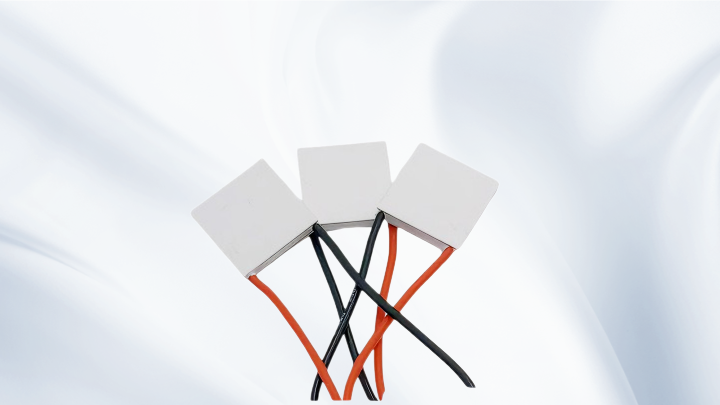
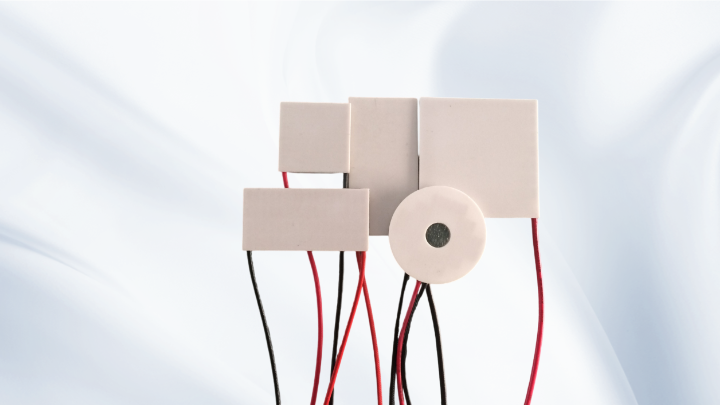
TEC devices, also known as Peltier coolers, operate on the thermoelectric effect to transfer heat from one side to another when an electric current is applied. Unlike traditional cooling methods, they have no moving parts, making them silent, compact, and highly reliable. An industry-leading TEC device typically incorporates advanced materials like bismuth telluride, which enhances thermal conductivity and energy efficiency. This allows for precise temperature control within fractions of a degree, essential in sensitive environments such as laboratory instruments or laser systems.
Key Benefits of Industry-Leading TEC Devices
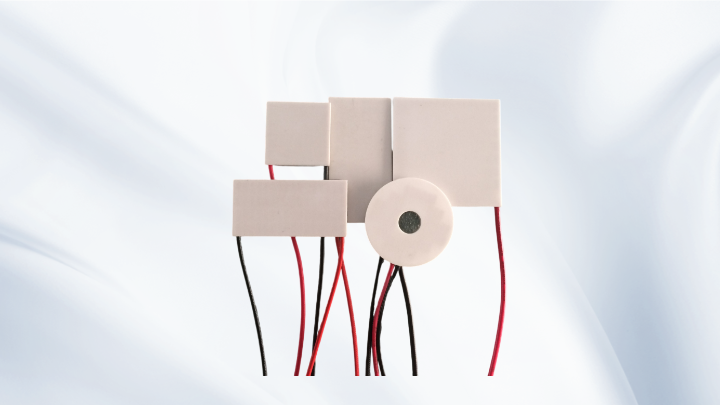
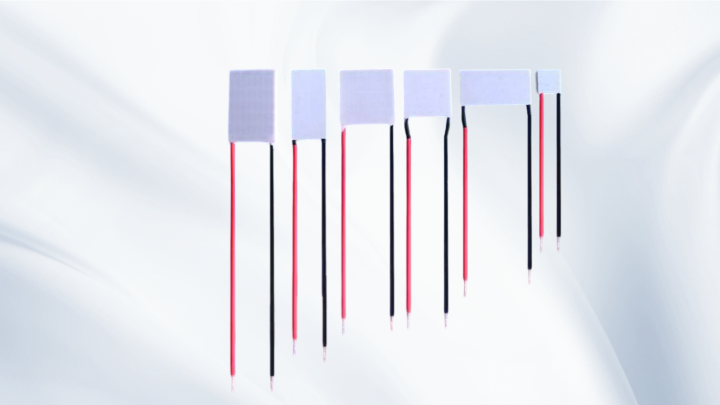
The advantages of using top-tier TEC devices are manifold. First, they offer exceptional temperature stability, which is crucial for maintaining the performance of electronic components in fluctuating conditions. Second, their solid-state design minimizes maintenance needs and extends lifespan, reducing long-term costs. Third, these devices are highly scalable, from small cooling pads for CPUs to large modules for industrial refrigeration. Additionally, they are environmentally friendly, as they do not rely on harmful refrigerants, aligning with green technology trends.
Applications Across Various Industries
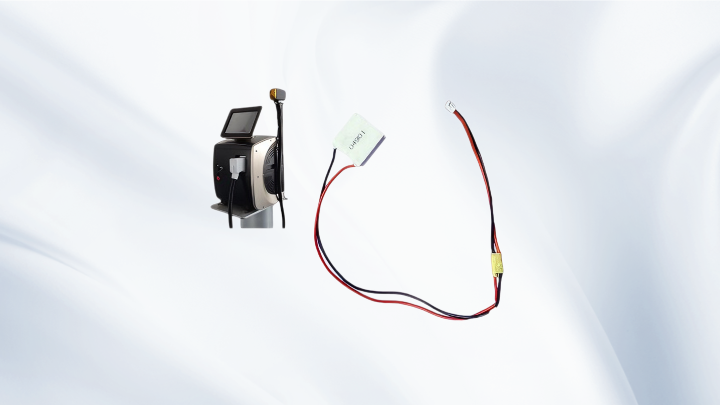
Industry-leading TEC devices find applications in diverse sectors. In the medical field, they are used in devices like PCR machines and blood analyzers to ensure accurate temperature control for sensitive samples. In telecommunications, they cool laser diodes in fiber-optic systems to prevent overheating and signal degradation. Consumer electronics, such as high-performance gaming PCs and smartphones, also benefit from their compact cooling solutions. Moreover, in aerospace and defense, these devices provide reliable thermal management in extreme environments, showcasing their versatility and robustness.
Best Practices for Integration and Maintenance
To maximize the effectiveness of TEC devices, proper integration is key. Start by selecting a device with the appropriate cooling capacity and voltage rating for your application. Ensure good thermal contact between the TEC and heat sinks using high-quality thermal paste or pads. It's also important to monitor current and temperature to prevent overheating, as excessive power can reduce efficiency. For maintenance, regularly check for dust accumulation and clean surfaces to maintain optimal heat transfer. Implementing these practices can help avoid common pitfalls and extend the device's operational life.
Common Questions
What makes an industry-leading TEC device different from standard ones?
Industry-leading TEC devices typically feature advanced materials, higher efficiency ratings, and better thermal management capabilities, resulting in more precise temperature control and longer durability compared to standard models.
How do I choose the right TEC device for my project?
Consider factors such as cooling capacity, operating voltage, size constraints, and environmental conditions. Consulting manufacturer datasheets and seeking expert advice can help match the device to your specific needs.
Are TEC devices energy-efficient?
Yes, especially industry-leading models that use optimized designs and materials to minimize power consumption while maximizing cooling performance, making them suitable for energy-sensitive applications.
Can TEC devices be used for heating as well?
Absolutely. By reversing the electric current, TEC devices can switch from cooling to heating mode, offering versatile temperature control in a single unit.
Related Posts