




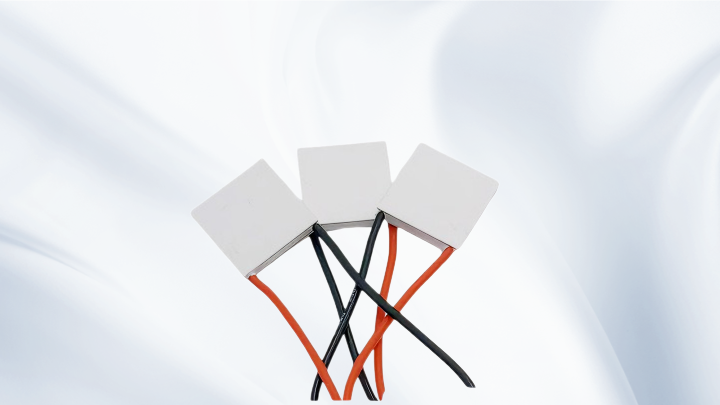

Unlocking the Power of Industry-Leading Semiconductor Refrigeration Tablets: A Comprehensive Guide
Understanding Semiconductor Refrigeration Tablets
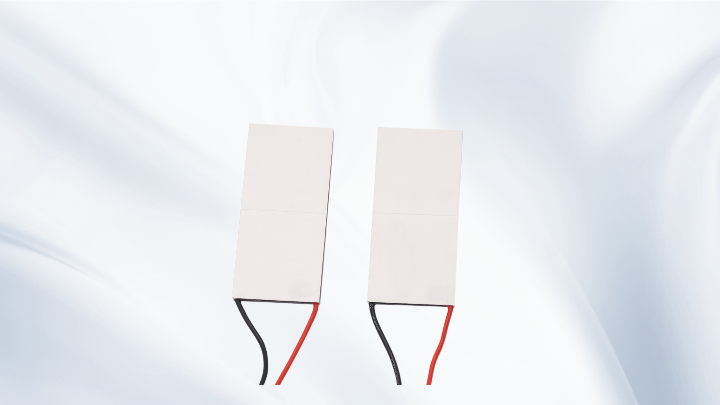
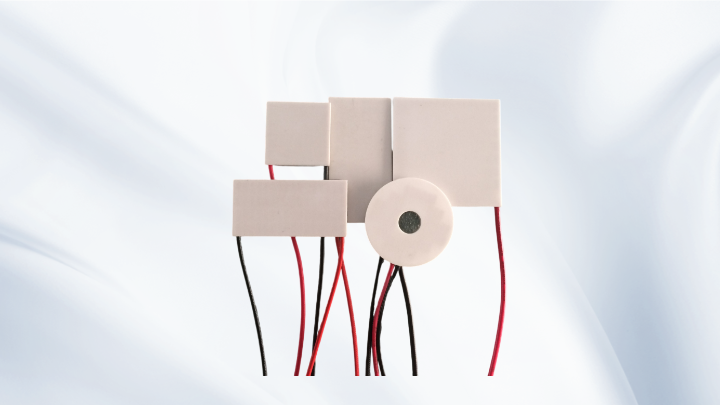
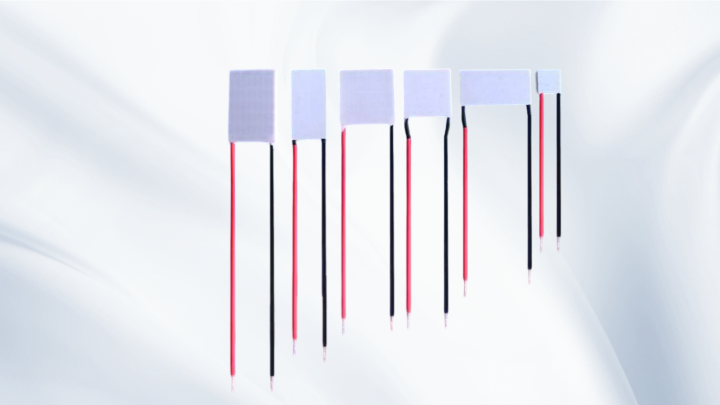
Semiconductor refrigeration tablets, also known as thermoelectric coolers (TECs), are solid-state devices that use the Peltier effect to transfer heat. When an electric current flows through two dissimilar conductors, it creates a temperature difference, allowing one side to cool while the other heats up. Industry-leading models excel with superior materials like bismuth telluride, which enhance efficiency and durability. Unlike traditional cooling methods, such as fans or liquid systems, these tablets offer precise temperature control, silent operation, and minimal maintenance, making them ideal for applications where space and reliability are critical.
Key Advantages and Applications
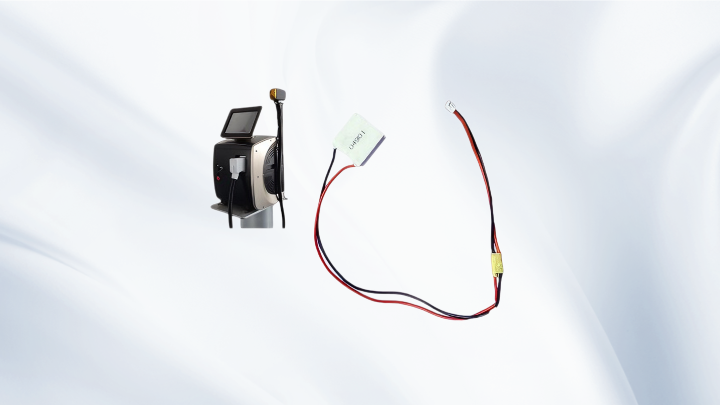
The benefits of using industry-leading semiconductor refrigeration tablets are manifold. They provide rapid cooling with response times in milliseconds, crucial for stabilizing sensitive electronics like CPUs and laser diodes. Their compact size allows integration into tight spaces, such as in medical devices or automotive sensors. Common applications include cooling in telecommunications equipment, where they prevent overheating in base stations, and in consumer electronics, like high-end gaming consoles. Additionally, they are used in scientific instruments for temperature stabilization in laboratories, showcasing their versatility across sectors.
Best Practices for Implementation
To maximize the performance of semiconductor refrigeration tablets, proper installation and maintenance are essential. Always ensure a good thermal interface by using high-quality thermal paste or pads between the tablet and the heat source. Monitor power input closely, as excessive current can lead to overheating and reduced lifespan. In my experience, pairing these tablets with efficient heat sinks and fans on the hot side significantly improves overall cooling efficiency. For long-term reliability, avoid exposing them to extreme temperatures or moisture, and regularly check for dust accumulation that might impede heat dissipation.
Common Challenges and Solutions
Despite their advantages, users may face challenges with semiconductor refrigeration tablets. One common issue is condensation on the cold side, which can cause short circuits in humid environments. To mitigate this, use insulation materials or dehumidifiers. Another challenge is power consumption; while efficient, they can draw more electricity than passive coolers. Opt for models with higher coefficient of performance (COP) ratings to balance cooling needs with energy use. By addressing these factors proactively, you can ensure optimal operation and extend the device's service life.
Future Trends and Innovations
The future of semiconductor refrigeration tablets looks promising, with ongoing research focused on improving materials and designs. Innovations like nanostructured thermoelectric materials aim to boost efficiency further, potentially reducing energy costs. Integration with IoT systems is also on the rise, enabling smart cooling solutions that adjust dynamically based on real-time data. As demand grows in areas like electric vehicles and renewable energy storage, these tablets are set to play a pivotal role in advancing thermal management technologies.
Frequently Asked Questions
How do semiconductor refrigeration tablets compare to traditional cooling methods?
Semiconductor refrigeration tablets offer advantages such as precise temperature control, silent operation, and compact size, unlike fans or liquid systems that may be bulkier or noisier. However, they can have higher power consumption, so it's important to choose based on specific application needs.
What are the main factors to consider when selecting an industry-leading model?
Key factors include cooling capacity (measured in watts), efficiency (COP rating), size compatibility, and durability. Look for certifications and reviews to ensure reliability, and consider the operating environment to avoid issues like condensation.
Can these tablets be used in extreme temperatures?
While designed for a range of conditions, extreme temperatures can affect performance. Most industry-leading models have specified operating ranges; exceeding these may reduce efficiency or cause damage. Always check manufacturer guidelines and use additional insulation if needed.
Related Posts