




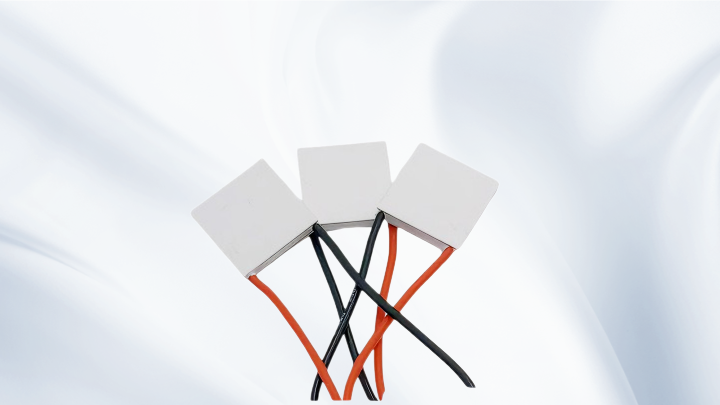
Unlocking Peak Performance: The Power of Industry-Leading Semiconductor Refrigeration Sheets
What Are Semiconductor Refrigeration Sheets?
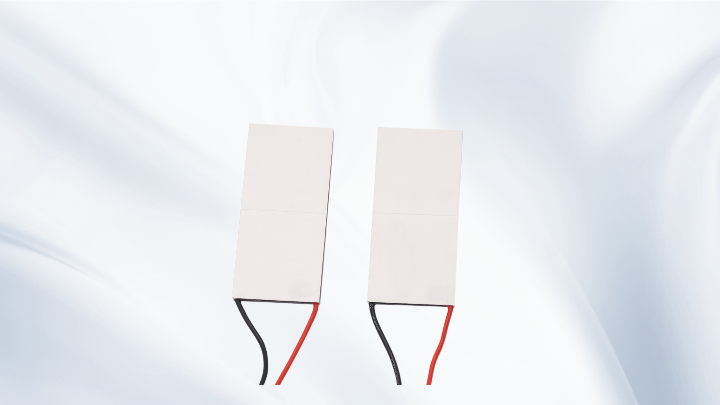
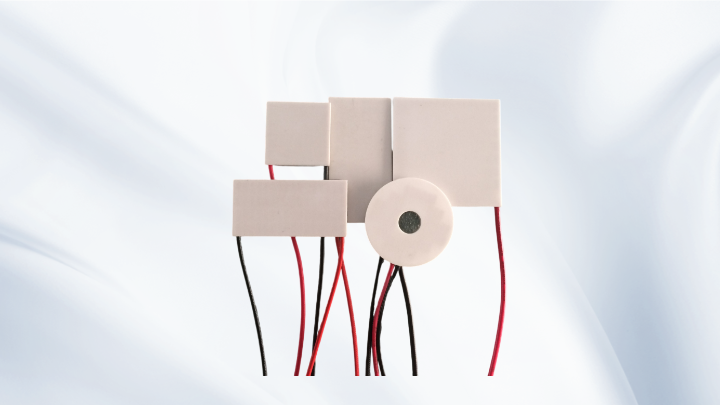
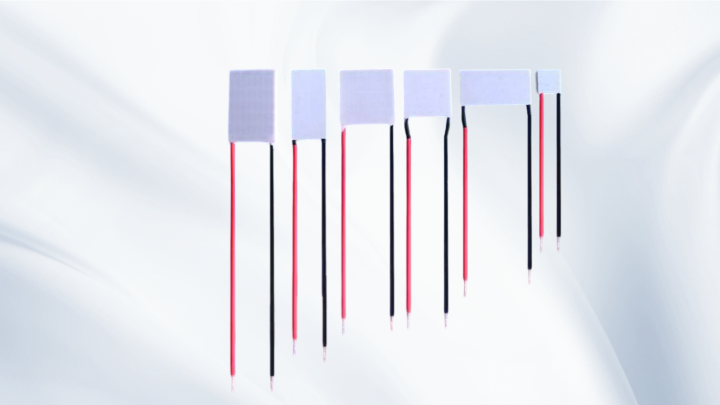
Semiconductor refrigeration sheets, also known as thermoelectric coolers (TECs), are advanced components that use the Peltier effect to transfer heat. Unlike traditional cooling methods, they operate without moving parts, making them silent, reliable, and compact. Industry-leading versions incorporate high-quality materials and optimized designs to maximize cooling efficiency and durability, often achieving temperature differentials of over 70°C. These sheets are essential in applications where precise thermal management is non-negotiable, such as in medical devices or high-performance computing.
How Do They Work?
The core principle behind semiconductor refrigeration sheets is the Peltier effect, where an electric current flows through junctions of dissimilar materials, causing heat to be absorbed on one side and released on the other. Industry-leading models enhance this with advanced semiconductor alloys like bismuth telluride, which improve thermal conductivity and energy efficiency. By integrating smart control systems, these sheets can dynamically adjust cooling based on real-time temperature data, ensuring optimal performance without overheating. This technology allows for rapid cooling cycles, making them ideal for scenarios requiring quick thermal response.
Key Applications in Modern Technology
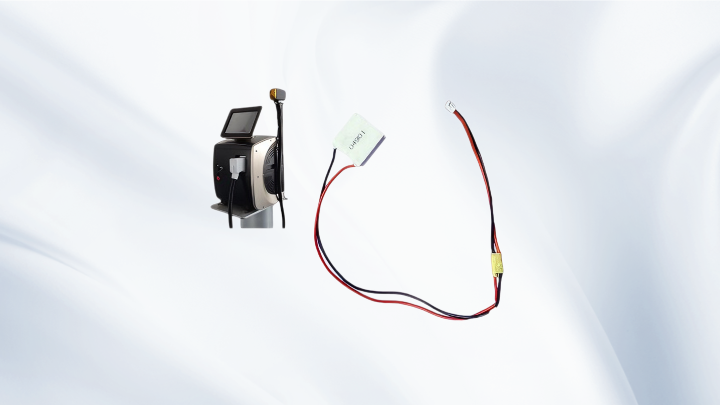
Industry-leading semiconductor refrigeration sheets are versatile and find use across multiple sectors. In consumer electronics, they cool high-end CPUs and GPUs in gaming laptops, preventing throttling and extending lifespan. In the medical field, they maintain stable temperatures in diagnostic equipment like PCR machines, crucial for accurate results. Industrial applications include cooling laser diodes and power modules, where reliability under harsh conditions is paramount. Additionally, they are used in aerospace for thermal regulation in satellites, showcasing their robustness in extreme environments.
Benefits Over Traditional Cooling Methods
Compared to fans or liquid cooling, semiconductor refrigeration sheets offer distinct advantages. They are noiseless and vibration-free, enhancing user experience in quiet settings like offices or hospitals. Their solid-state design reduces maintenance needs and failure risks, leading to lower long-term costs. Moreover, they provide precise temperature control, often within ±0.1°C, which is unattainable with conventional methods. Industry-leading sheets also boast higher energy efficiency, with some models converting over 90% of electrical energy into cooling power, reducing overall power consumption in energy-sensitive applications.
Choosing the Right Semiconductor Refrigeration Sheet
Selecting an industry-leading semiconductor refrigeration sheet involves considering factors like cooling capacity, size, and power requirements. For high-heat loads, opt for sheets with higher Qmax (maximum heat pumping) ratings. Ensure compatibility with your device's voltage and current specifications to avoid inefficiencies. Look for certifications like RoHS or UL listings to guarantee safety and environmental compliance. It's also wise to consult manufacturer datasheets for thermal resistance and longevity metrics, as these impact performance in sustained use. Testing in real-world conditions can help validate choices before full-scale deployment.
Common Questions
How long do semiconductor refrigeration sheets last?
Industry-leading semiconductor refrigeration sheets typically have a lifespan of over 100,000 hours under normal operating conditions, thanks to robust materials and lack of moving parts. Regular maintenance, such as cleaning dust from surfaces, can extend this further.
Can they be used for heating as well?
Yes, by reversing the electrical current, semiconductor refrigeration sheets can switch from cooling to heating mode. This dual functionality makes them useful in applications like temperature-controlled chambers, where both cooling and heating are required.
Are they environmentally friendly?
Most industry-leading sheets use lead-free materials and comply with environmental regulations. Their energy efficiency also reduces carbon footprints compared to less efficient cooling systems, making them a sustainable choice for green initiatives.
What are common failure modes?
Failures are rare but can include thermal fatigue from rapid temperature cycling or electrical issues like short circuits. Choosing high-quality sheets with proper thermal management and following installation guidelines minimizes these risks.
Related Posts