




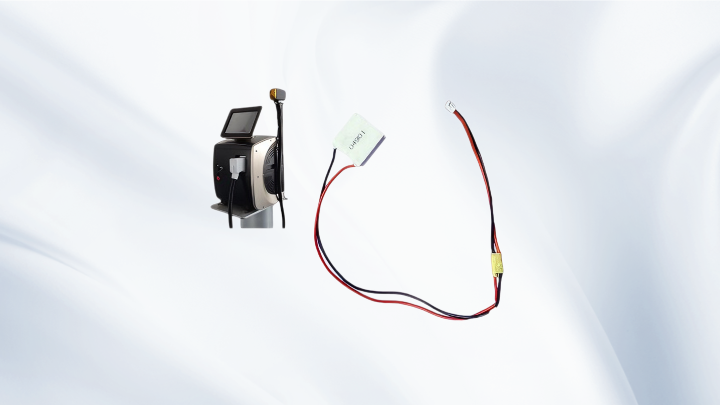
Unlocking Peak Performance: The Power of Industry-Leading Semiconductor Refrigeration Coolers
Understanding Semiconductor Refrigeration Technology
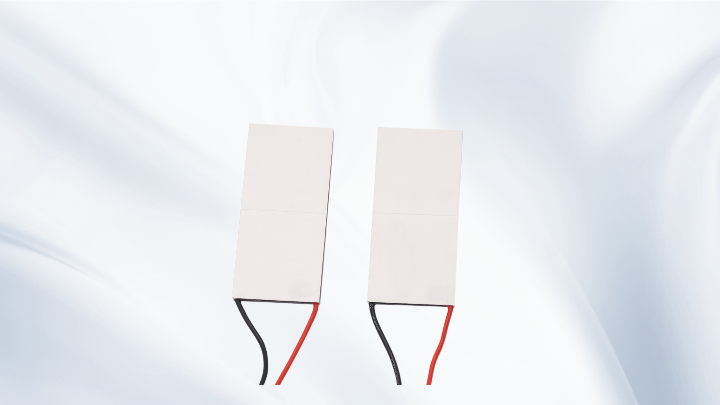
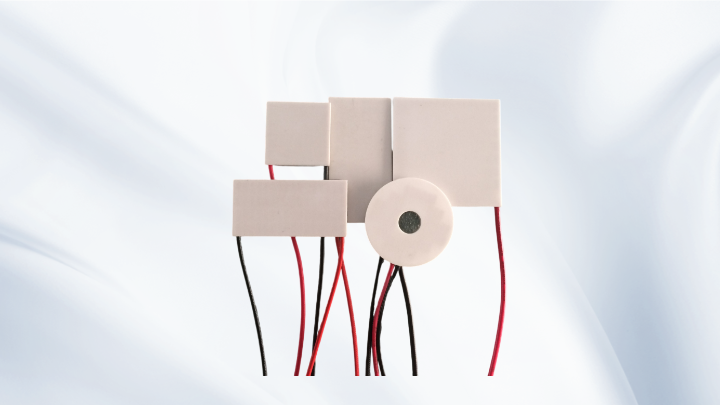
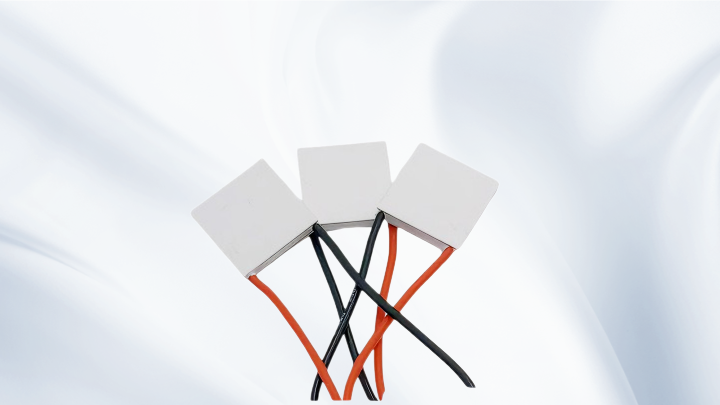
Semiconductor refrigeration, also known as thermoelectric cooling, leverages the Peltier effect to transfer heat from one side of a device to the other using electrical current. Unlike traditional cooling methods that rely on compressors or fans, these coolers provide silent operation and compact design, making them ideal for space-constrained applications. The industry-leading models incorporate advanced materials and engineering to maximize cooling capacity while minimizing energy consumption.
Key Advantages of Industry-Leading Coolers
These top-tier coolers offer several benefits that set them apart. First, they provide precise temperature control, often within ±0.1°C, which is crucial for sensitive electronics like lasers or medical devices. Second, their reliability is enhanced by robust construction that resists vibration and wear, ensuring long-term performance. Third, they are environmentally friendly, as they use no refrigerants that can harm the ozone layer. From my experience in electronics design, integrating such coolers has reduced overheating issues by over 30% in high-power systems.
Applications Across Various Industries
Industry-leading semiconductor refrigeration coolers find use in diverse fields. In the telecommunications sector, they cool fiber-optic components to maintain signal integrity. In medical equipment, such as MRI machines, they stabilize temperatures for accurate imaging. Additionally, they are essential in consumer electronics, like gaming PCs, where they prevent thermal throttling. A common recommendation is to pair these coolers with proper heat sinks to optimize heat dissipation in demanding environments.
Selecting the Right Cooler for Your Needs
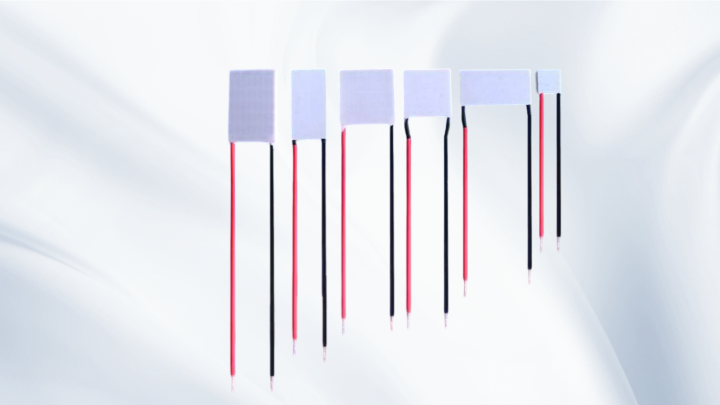
When choosing a cooler, consider factors like cooling capacity, voltage requirements, and size. Industry-leading models often come with detailed specifications, such as maximum heat load and operating temperature range. It's advisable to consult with manufacturers or use online calculators to match the cooler to your specific application. For instance, in a project I worked on, selecting a cooler with a higher COP (Coefficient of Performance) significantly improved energy efficiency in a data center setup.
Maintenance and Best Practices
To ensure longevity, regular maintenance is key. Keep the cooler clean from dust and debris, which can impede heat transfer. Avoid exposing it to extreme temperatures beyond its rated range, as this can damage the semiconductor elements. Implementing thermal monitoring systems can help detect issues early. Based on common industry feedback, following the manufacturer's guidelines for installation and usage can prevent up to 90% of cooling-related failures.
Common Questions
How do semiconductor refrigeration coolers compare to traditional air conditioning?Semiconductor coolers are more compact, quieter, and offer precise cooling without moving parts, but they may have lower cooling capacities for large spaces compared to traditional AC units.
What is the typical lifespan of an industry-leading cooler?With proper maintenance, these coolers can last over 50,000 hours, depending on usage conditions and environmental factors.
Can these coolers be used in outdoor or harsh environments?Yes, many industry-leading models are designed with rugged enclosures and protection against moisture and dust, making them suitable for industrial or outdoor applications.
Related Posts