




Unlocking the Future of Cooling: The Power of Industry-Leading Semiconductor Refrigerant Chips
Introduction to Semiconductor Refrigerant Chips
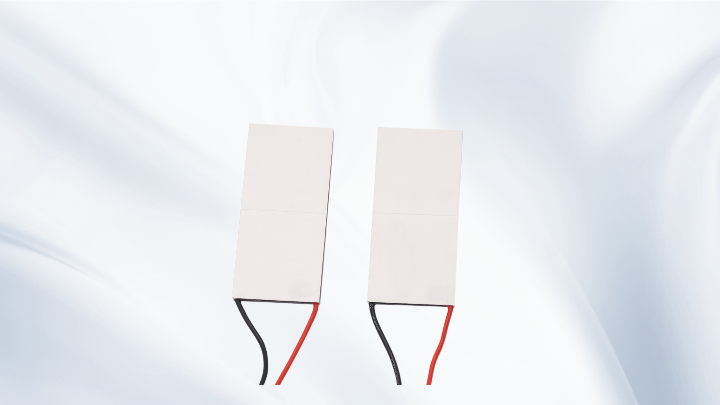
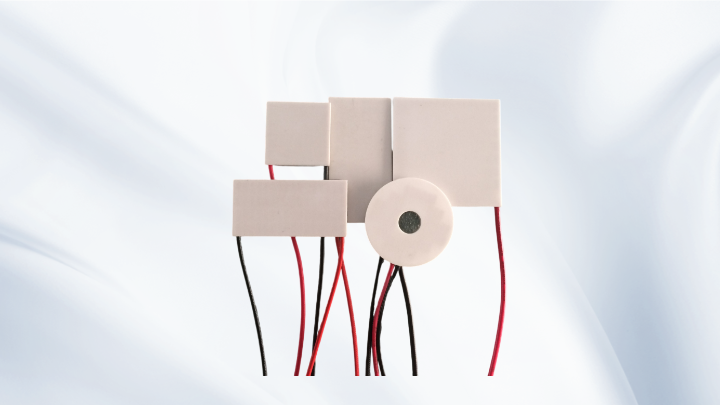
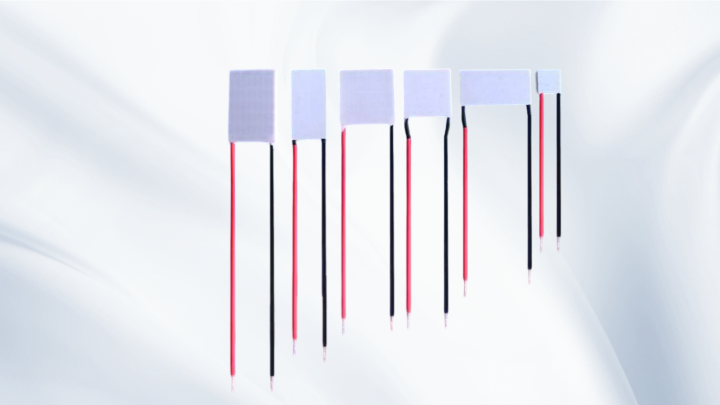
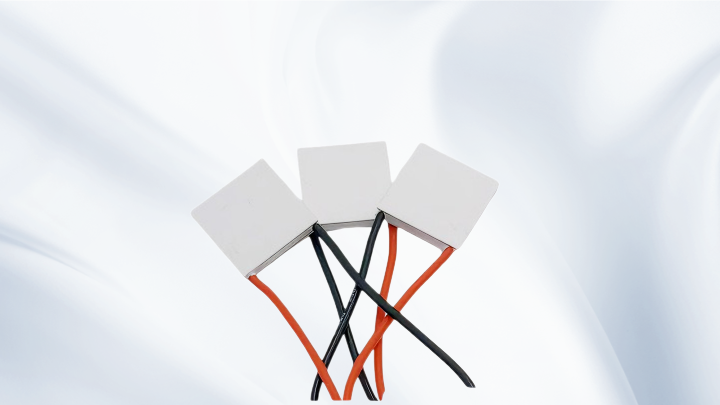
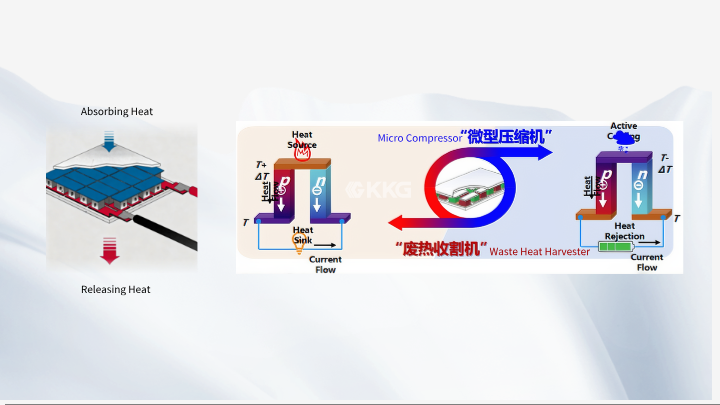
Semiconductor refrigerant chips, often based on the Peltier effect, are solid-state devices that provide cooling without traditional refrigerants or moving parts. Unlike conventional systems, they use electrical currents to transfer heat, making them ideal for compact and quiet operations. The industry-leading variants incorporate advanced materials and designs to maximize efficiency and durability, setting new standards in thermal management technology.
Key Features and Technological Advancements
These chips boast several standout features. First, they offer precise temperature control, allowing for adjustments within fractions of a degree, which is crucial for sensitive applications like laboratory equipment. Second, their energy efficiency has improved significantly, with modern chips reducing power consumption by up to 30% compared to earlier models. Additionally, they are environmentally friendly, as they eliminate the need for harmful refrigerants like CFCs, aligning with global sustainability goals.
Applications Across Industries
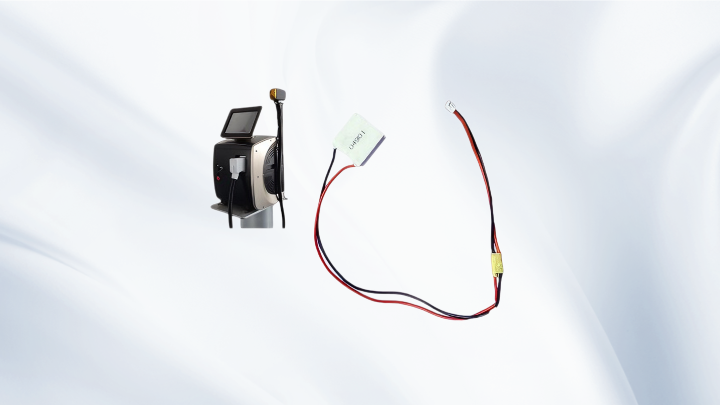
From consumer electronics to healthcare, semiconductor refrigerant chips are transforming various sectors. In the electronics industry, they cool high-performance CPUs and GPUs in laptops and servers, preventing overheating and extending device lifespan. In medical devices, such as portable refrigerators for vaccines, they ensure stable temperatures during transport. Other applications include automotive systems, aerospace components, and renewable energy setups, where reliable cooling is essential for safety and efficiency.
Benefits and Practical Advantages
Adopting these chips brings numerous benefits. They are compact and lightweight, enabling integration into space-constrained designs without compromising performance. Their low maintenance requirements reduce operational costs, as there are no compressors or fluids to service. Moreover, their silent operation makes them suitable for noise-sensitive environments like offices and hospitals. For businesses, this translates to enhanced product reliability and customer satisfaction.
Challenges and Future Outlook
Despite their advantages, challenges remain. Heat dissipation limitations can affect performance in high-load scenarios, requiring careful thermal design. Cost is another factor, as advanced chips may be more expensive upfront, though long-term savings often justify the investment. Looking ahead, ongoing research focuses on improving material science and integration with IoT for smarter cooling systems, promising even greater efficiency and adaptability.
Frequently Asked Questions
How do semiconductor refrigerant chips compare to traditional cooling methods?
They offer advantages like no moving parts, reduced environmental impact, and precise control, but may have lower cooling capacity for large-scale applications compared to compressor-based systems.
What are the main factors to consider when selecting a chip for a project?
Key factors include cooling capacity, power consumption, size constraints, and operating temperature range. Consulting with manufacturers and testing prototypes can help ensure the right fit.
Are these chips suitable for outdoor or harsh environments?
Yes, many industry-leading chips are designed with robust materials and protective coatings to withstand conditions like humidity and temperature fluctuations, but it's essential to check specific ratings.
Related Posts