




Industry-Leading Semiconductor Radiating Rib: Revolutionizing Thermal Management in Advanced Electronics
Introduction to Semiconductor Radiating Rib Technology
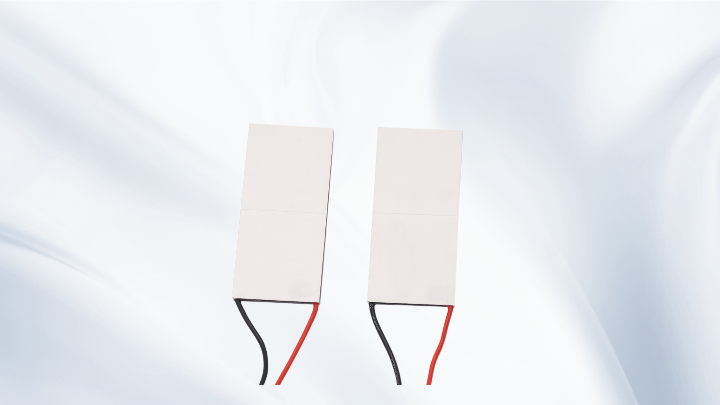
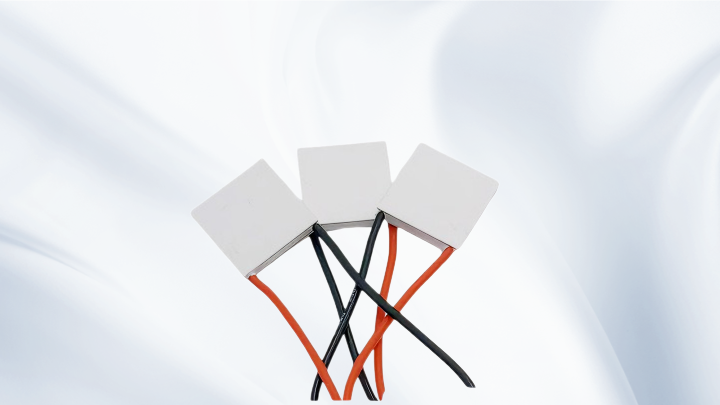
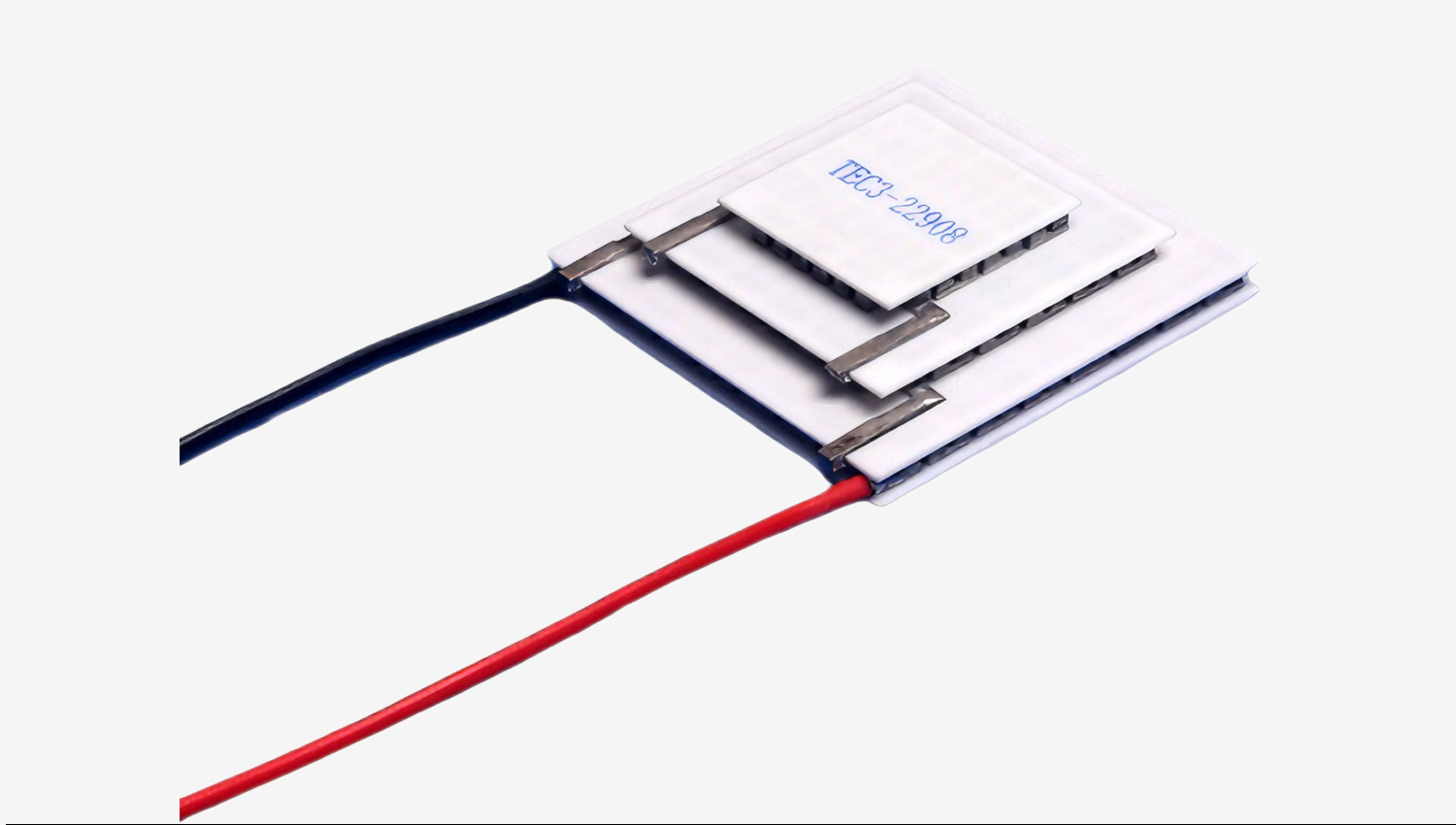
The semiconductor radiating rib is an advanced thermal management component that integrates directly into semiconductor devices to enhance heat dissipation. Unlike traditional cooling methods, such as heat sinks or fans, this rib structure is engineered to maximize surface area and airflow, allowing for more effective heat transfer. In high-performance electronics, like CPUs, GPUs, and power modules, overheating can lead to reduced efficiency, component failure, and shortened lifespan. The radiating rib addresses these issues by providing a passive cooling solution that operates silently and reliably, making it ideal for applications in data centers, automotive systems, and consumer electronics.
Key Features and Design Innovations
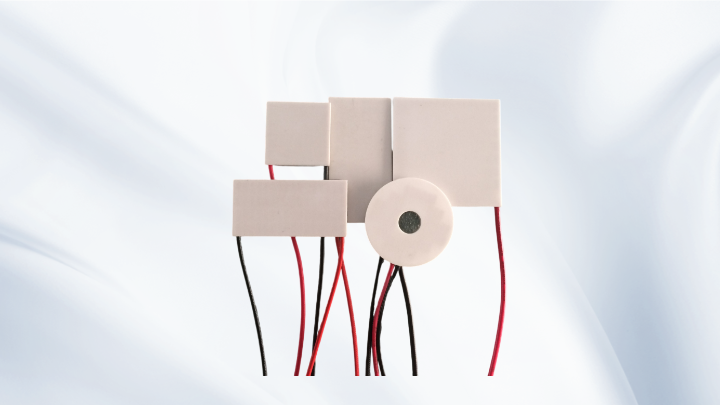
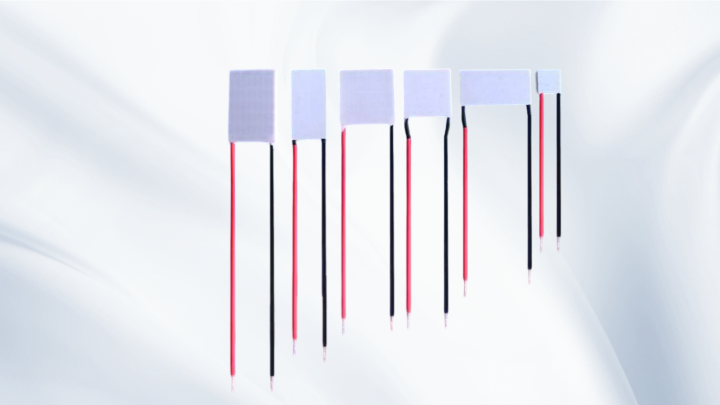
One of the standout features of the industry-leading semiconductor radiating rib is its material composition. Typically made from high-conductivity metals like copper or aluminum alloys, it ensures minimal thermal resistance. The rib design incorporates micro-fins or grooves that increase the surface area exposed to air, promoting natural convection or forced airflow. Additionally, advanced manufacturing techniques, such as additive manufacturing or precision machining, allow for custom shapes and sizes tailored to specific semiconductor packages. This customization enables optimal integration with existing circuits, reducing the need for bulky external coolers and saving valuable space in compact devices.
Benefits for Performance and Reliability
Implementing a radiating rib in semiconductor systems offers numerous benefits. First, it significantly improves thermal efficiency, allowing devices to operate at higher frequencies without throttling. This translates to better performance in demanding tasks, such as gaming, AI processing, or industrial automation. Second, by maintaining lower operating temperatures, the rib enhances component longevity, reducing the risk of thermal-induced failures and lowering maintenance costs. Third, its passive nature means no moving parts, which minimizes noise and energy consumption compared to active cooling solutions. In real-world scenarios, companies have reported up to a 20% increase in device lifespan and a 15% boost in processing speed after adopting this technology.
Applications Across Industries
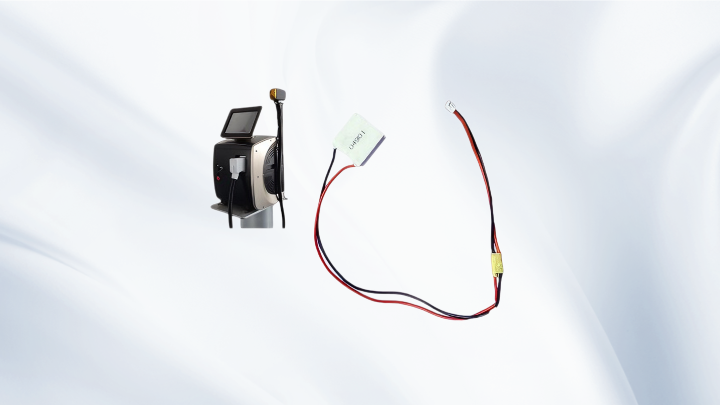
The versatility of the semiconductor radiating rib makes it applicable across various sectors. In the automotive industry, it is used in electric vehicle power electronics to manage heat from batteries and inverters, ensuring safety and efficiency. In telecommunications, it helps cool high-frequency transceivers in 5G base stations, supporting faster data transmission. Consumer electronics, such as smartphones and laptops, benefit from thinner designs without compromising on cooling. Moreover, in industrial settings, it aids in controlling heat in motor drives and robotics, enhancing operational stability. These examples highlight how this technology drives innovation by enabling more powerful and compact electronic systems.
Challenges and Future Developments
Despite its advantages, the semiconductor radiating rib faces challenges, such as cost and integration complexity. High-quality materials and precise manufacturing can increase production expenses, though economies of scale are expected to reduce costs over time. Integration with existing semiconductor designs may require redesigns, posing initial hurdles for manufacturers. Looking ahead, ongoing research focuses on improving thermal conductivity with nanomaterials, like graphene, and developing hybrid systems that combine radiating ribs with liquid cooling for extreme applications. As demand for energy-efficient electronics grows, this technology is poised to evolve, with predictions of smarter, adaptive cooling solutions that respond dynamically to thermal loads.
Common Questions
What is a semiconductor radiating rib and how does it work?
A semiconductor radiating rib is a specialized component attached to semiconductor devices to dissipate heat. It works by increasing the surface area for heat transfer, allowing thermal energy to radiate away through convection or airflow, thus keeping the device cool and efficient.
Why is thermal management important in semiconductors?
Thermal management is crucial because excessive heat can degrade semiconductor performance, cause malfunctions, and shorten lifespan. Effective cooling ensures stable operation, higher speeds, and reliability, especially in high-power applications.
Can radiating ribs be used in all types of electronics?
While highly versatile, radiating ribs are best suited for devices with significant heat generation, such as processors, power modules, and automotive systems. For low-power electronics, simpler cooling methods may suffice, but they can still be adapted for various needs.
How does the cost of implementing radiating ribs compare to traditional cooling?
Initially, radiating ribs may be more expensive due to material and manufacturing costs, but they offer long-term savings through improved efficiency, reduced energy use, and lower maintenance. As technology matures, prices are expected to become more competitive.
Related Posts