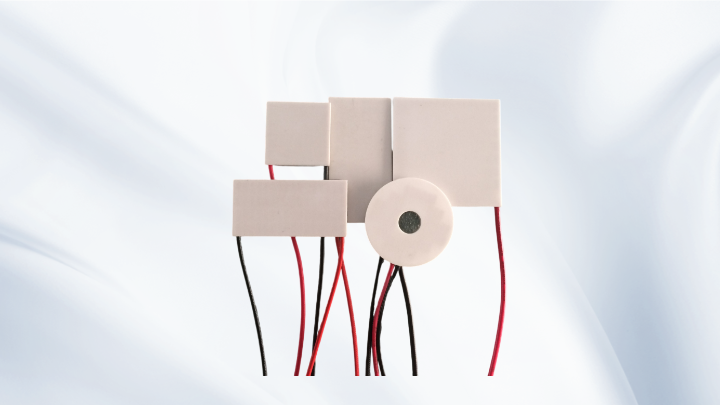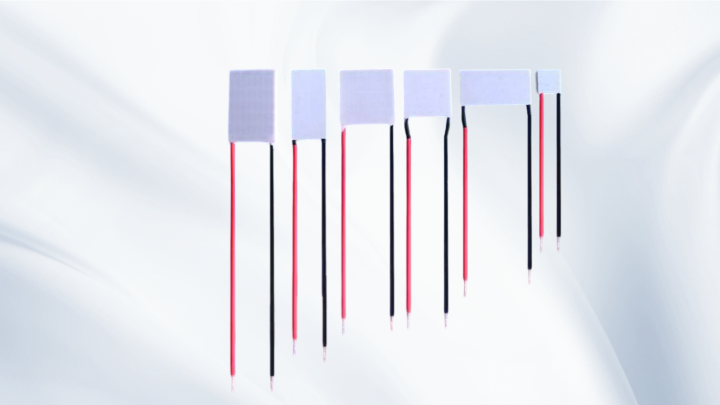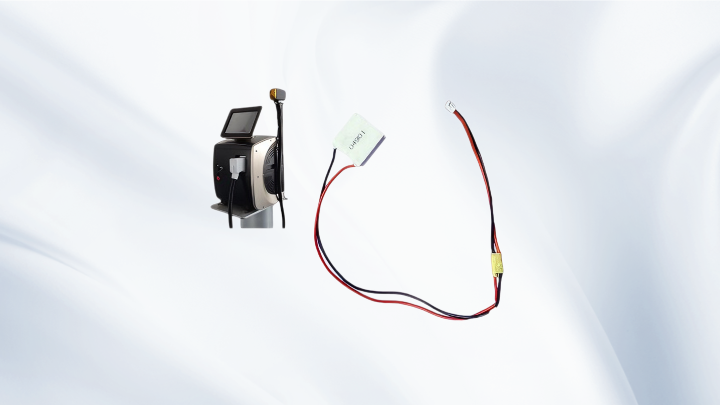





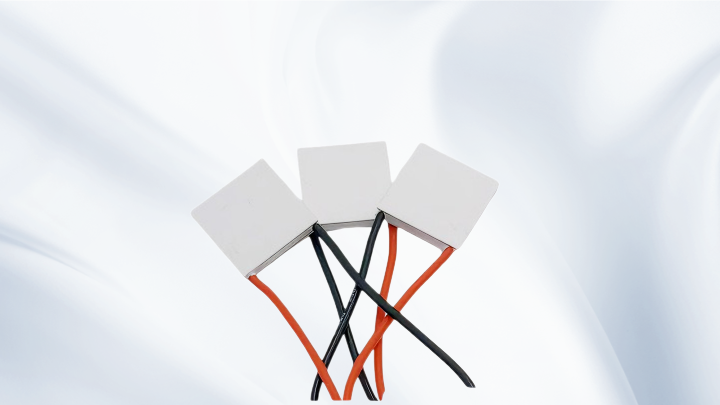
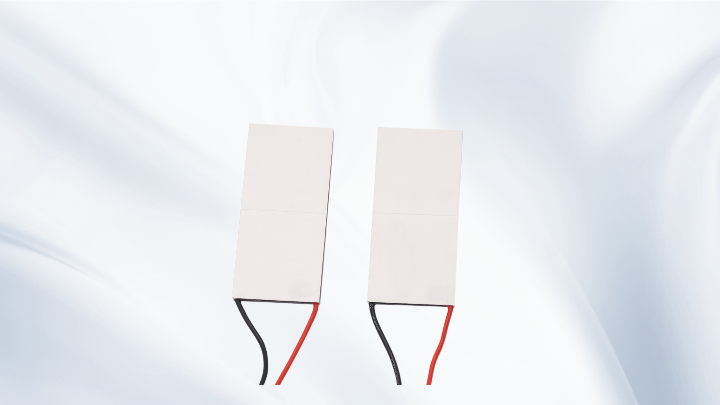
Industry-Leading Semiconductor Radiating Fins: Revolutionizing Heat Management in Modern Electronics
Introduction to Semiconductor Radiating Fins
Semiconductor radiating fins, also known as heat sinks, are essential components in electronic devices that help dissipate excess heat generated by semiconductor chips. As technology advances, the demand for higher processing power and miniaturization increases, making thermal management a critical challenge. Industry-leading radiating fins are designed with precision to maximize surface area and airflow, effectively transferring heat away from sensitive components. This not only prevents overheating but also extends the lifespan of devices, from smartphones to data centers.
Design and Materials of Advanced Radiating Fins
The effectiveness of radiating fins depends heavily on their design and materials. Leading manufacturers use high-conductivity materials like aluminum and copper, which offer excellent thermal properties. Advanced designs incorporate features such as fin density optimization, which balances airflow resistance with heat dissipation capacity. For instance, in high-performance computing, fins are often arranged in intricate patterns to enhance convection. Additionally, surface treatments like anodization can improve durability and heat transfer efficiency. By leveraging computer-aided simulations, engineers can tailor fin geometries to specific applications, ensuring optimal performance in diverse environments.
Applications in Modern Electronics
Industry-leading semiconductor radiating fins are ubiquitous across various sectors. In consumer electronics, they are integral to gaming consoles and laptops, where compact designs require efficient cooling solutions. In the automotive industry, electric vehicles rely on these fins to manage heat in power electronics, enhancing safety and efficiency. Moreover, data centers utilize large-scale radiating fin arrays to cool servers, reducing energy consumption and preventing downtime. As 5G and IoT technologies expand, the need for robust thermal management in communication devices further drives innovation in fin design, making them indispensable for next-generation applications.
Benefits and Performance Advantages
Investing in high-quality radiating fins offers numerous benefits. Firstly, they improve device reliability by maintaining stable operating temperatures, which reduces the risk of thermal throttling and component failure. This leads to enhanced performance, as processors can run at higher speeds without overheating. Secondly, efficient heat dissipation contributes to energy savings, as cooling systems require less power to operate. In industrial settings, this translates to lower operational costs and a smaller carbon footprint. Furthermore, advanced fins support miniaturization trends, allowing for sleeker device designs without compromising on cooling capability, thus meeting consumer demands for portability and aesthetics.
Common Questions
What are the key factors to consider when selecting semiconductor radiating fins?
When choosing radiating fins, consider factors such as thermal conductivity of materials, fin design for airflow optimization, compatibility with the semiconductor device, and environmental conditions like humidity or dust. It's also important to balance cost with performance requirements, as premium materials may offer better longevity but at a higher price.
How do radiating fins compare to other cooling methods like liquid cooling?
Radiating fins are generally more cost-effective and simpler to implement than liquid cooling systems, which involve complex plumbing and maintenance. While liquid cooling can handle higher heat loads in extreme scenarios, fins are sufficient for most consumer and industrial applications, offering a reliable and passive cooling solution with fewer failure points.
Can radiating fins be customized for specific applications?
Yes, many manufacturers offer customization options for radiating fins, including material selection, fin geometry, and attachment methods. This allows for tailored solutions that meet unique thermal management needs, such as in aerospace or medical devices, where precision and reliability are paramount.
Related Posts