




Unlocking Peak Performance: The Critical Role of Industry-Leading Semiconductor Cooling Plates in Modern Electronics
Introduction to Semiconductor Cooling Plates
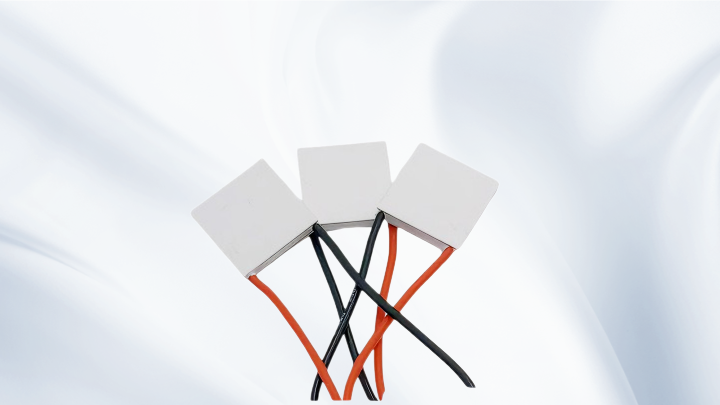
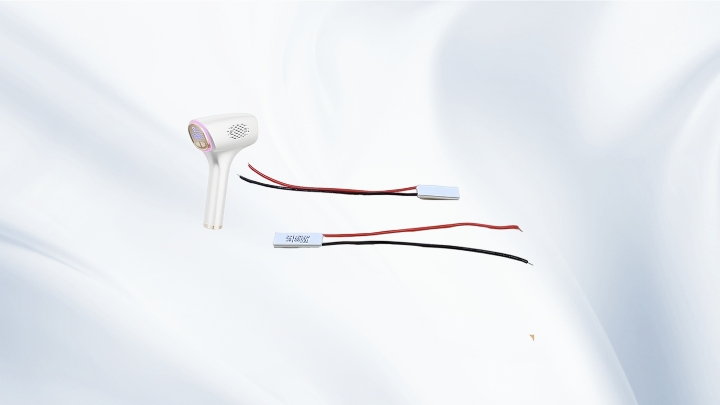
Semiconductor cooling plates, often referred to as heat spreaders or thermal management solutions, are essential components in electronic devices that dissipate heat generated by semiconductors like CPUs, GPUs, and power modules. As technology advances, these components produce increasing amounts of heat, which can lead to reduced efficiency, throttling, or even permanent damage if not properly managed. Industry-leading cooling plates are designed with cutting-edge materials and engineering to address this issue, ensuring that devices operate within safe temperature ranges while maximizing performance.
Key Features of Industry-Leading Cooling Plates
What sets top-tier cooling plates apart is their combination of high thermal conductivity, durability, and innovative design. They typically use materials such as copper, aluminum, or advanced composites like graphene, which excel at transferring heat away from sensitive components. Additionally, features like micro-channel structures, vapor chambers, and phase-change materials enhance heat dissipation efficiency. For instance, vapor chamber technology allows for rapid heat spreading across a larger surface area, making it ideal for high-power applications in gaming laptops or servers. These features not only improve cooling but also contribute to quieter operation and longer device lifespans.
Applications Across Various Industries
The versatility of industry-leading semiconductor cooling plates makes them indispensable in multiple sectors. In consumer electronics, they are used in smartphones, laptops, and gaming consoles to prevent overheating during intensive tasks. In the automotive industry, they play a crucial role in electric vehicles (EVs), where they cool power electronics and battery management systems, ensuring safety and efficiency. Data centers and telecommunications rely on these plates to manage heat in servers and networking equipment, reducing downtime and energy costs. By integrating advanced cooling solutions, companies can achieve higher performance benchmarks and meet stringent regulatory standards.
Design and Manufacturing Innovations
The development of industry-leading cooling plates involves continuous innovation in design and manufacturing processes. Engineers use computational fluid dynamics (CFD) simulations to optimize airflow and heat transfer patterns, leading to more efficient designs. Additive manufacturing, or 3D printing, allows for the creation of complex geometries that were previously impossible with traditional methods. This enables custom cooling solutions tailored to specific device layouts, improving thermal management without increasing size or weight. Moreover, sustainability is becoming a key focus, with manufacturers exploring recyclable materials and energy-efficient production techniques to reduce environmental impact.
Common Challenges and Solutions
Despite their advantages, implementing effective cooling plates can pose challenges. One common issue is thermal interface resistance, where poor contact between the cooling plate and semiconductor leads to inefficient heat transfer. To mitigate this, manufacturers use thermal pastes, pads, or soldering techniques to ensure a tight bond. Another challenge is balancing cost with performance; while premium materials offer better cooling, they can be expensive. By leveraging economies of scale and optimizing designs, companies can produce cost-effective solutions without compromising quality. Regular maintenance, such as cleaning dust buildup, also helps maintain cooling efficiency over time.
Future Trends in Semiconductor Cooling
As electronics continue to evolve, the demand for more advanced cooling solutions will grow. Emerging trends include the integration of artificial intelligence (AI) to dynamically adjust cooling based on real-time temperature data, enhancing energy efficiency. Nanotechnology is also showing promise, with materials like carbon nanotubes offering unprecedented thermal conductivity. Industry leaders are investing in research to develop next-generation cooling plates that can handle the heat loads of quantum computing and 5G networks. Staying ahead of these trends is essential for businesses looking to maintain a competitive edge in the market.
Common Questions
What is the primary function of a semiconductor cooling plate?
The primary function is to dissipate heat generated by semiconductors, preventing overheating and ensuring stable performance in electronic devices.
How do industry-leading cooling plates differ from standard ones?
They use superior materials, advanced designs like vapor chambers, and precision manufacturing to offer higher thermal efficiency, durability, and better integration with modern electronics.
Can cooling plates be customized for specific applications?
Yes, through techniques like 3D printing and CFD simulations, cooling plates can be tailored to fit unique device layouts and thermal requirements, optimizing performance.
What are the environmental considerations for cooling plates?
Manufacturers are increasingly focusing on sustainable practices, such as using recyclable materials and reducing energy consumption during production, to minimize environmental impact.
Related Posts