




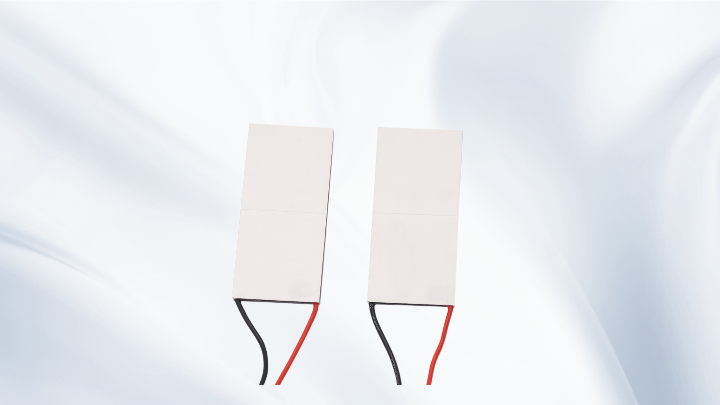
Unlocking Peak Performance: The Essential Guide to Industry-Leading Semiconductor Coolers
Introduction to Semiconductor Cooling Technology
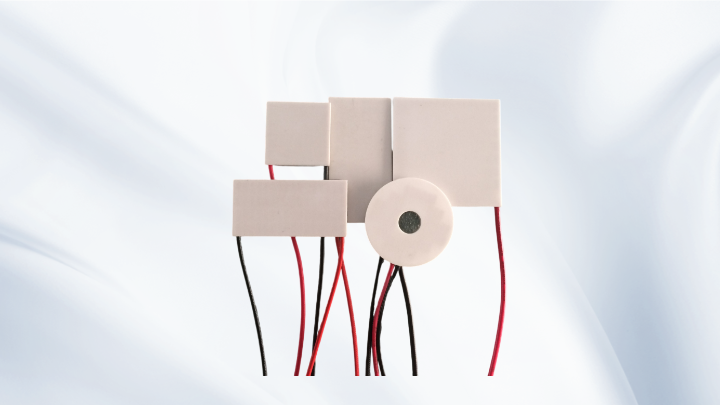
Semiconductor coolers, often referred to as thermoelectric coolers or Peltier devices, are essential components in modern electronics. They work by utilizing the Peltier effect to transfer heat away from sensitive semiconductor components, such as CPUs, GPUs, and power modules. This technology is crucial for maintaining stable temperatures, preventing overheating, and enhancing the overall efficiency of devices. In industries like computing, automotive, and telecommunications, industry-leading semiconductor coolers are designed to handle high thermal loads while minimizing energy consumption and noise. By investing in advanced cooling solutions, manufacturers can ensure that their products deliver consistent performance even under demanding conditions.
Key Features of Top-Tier Semiconductor Coolers
When evaluating industry-leading semiconductor coolers, several features stand out. First, high thermal conductivity materials, such as copper or aluminum alloys, are commonly used to maximize heat dissipation. Second, these coolers often incorporate advanced fan designs or liquid cooling systems to enhance airflow and cooling efficiency. Third, they are engineered for durability, with robust construction that withstands vibrations and thermal cycling. Additionally, many top models include smart controls, such as temperature sensors and adjustable speed settings, allowing for precise management of cooling performance. For example, in data centers, coolers with these features can reduce energy costs by up to 30% while maintaining server reliability.
Benefits of Using Advanced Cooling Solutions
The adoption of industry-leading semiconductor coolers offers numerous benefits. Primarily, they extend the lifespan of electronic components by preventing thermal damage, which can lead to costly repairs or replacements. Improved cooling also boosts performance; for instance, overclocked CPUs can run faster without throttling when paired with efficient coolers. Moreover, these solutions contribute to energy savings, as they operate more efficiently than traditional cooling methods. In practical terms, this means lower electricity bills and a reduced carbon footprint. For businesses, investing in high-quality coolers can lead to increased productivity and reduced downtime, making them a smart choice for any tech-driven environment.
Applications Across Various Industries
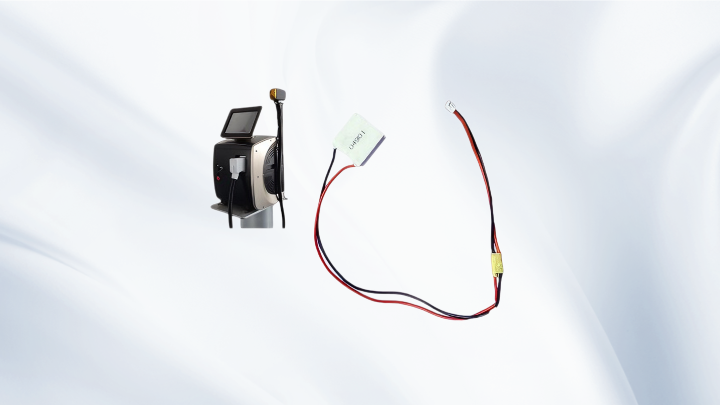
Industry-leading semiconductor coolers find applications in a wide range of sectors. In the computing industry, they are used in gaming PCs, servers, and laptops to manage heat from processors and graphics cards. In the automotive sector, coolers help regulate temperatures in electric vehicle batteries and infotainment systems, ensuring safety and performance. Telecommunications rely on them for cooling network equipment, while medical devices use coolers to maintain precise temperatures in diagnostic instruments. Each application requires tailored solutions, and top manufacturers often provide customizable options to meet specific needs. By understanding these diverse uses, professionals can select the right cooler for their projects.
Common Questions About Semiconductor Coolers
What is the difference between air cooling and liquid cooling in semiconductor coolers?
Air cooling uses fans to dissipate heat through convection, making it cost-effective and easy to install. Liquid cooling, on the other hand, circulates a coolant through tubes to absorb and transfer heat more efficiently, often providing better performance for high-end applications but at a higher cost and complexity.
How do I choose the right semiconductor cooler for my device?
Consider factors such as the thermal design power (TDP) of your component, available space for installation, noise tolerance, and budget. For example, a high-TDP CPU in a gaming PC might benefit from a liquid cooler, while a low-power device could use a simple air cooler. Consulting manufacturer specifications and reviews can also help in making an informed decision.
Are industry-leading semiconductor coolers worth the investment?
Yes, they are often worth it for critical applications where reliability and performance are paramount. While they may have a higher upfront cost, the long-term benefits in terms of energy savings, reduced maintenance, and extended device lifespan can outweigh the initial expense, especially in commercial or industrial settings.
Related Posts