





Unlocking Efficiency: The Power of Professional Thermoelectric Generator Chips in Modern Applications
Understanding Thermoelectric Generator Chips
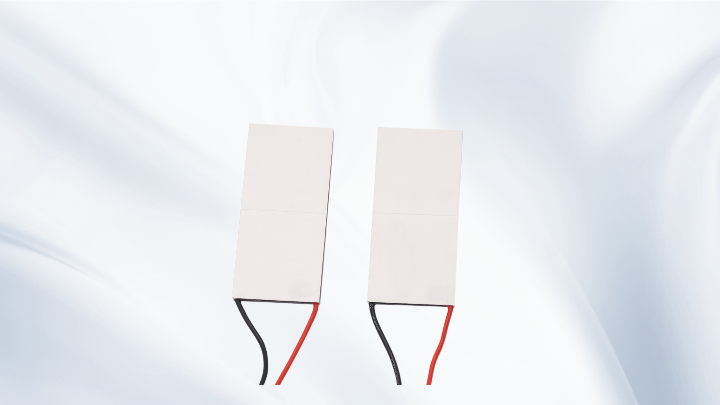
At their core, professional thermoelectric generator chips are solid-state devices that convert temperature differences directly into electrical energy through the Seebeck effect. Unlike traditional generators that rely on moving parts, these chips operate silently and efficiently by leveraging semiconductor materials. When one side of the chip is heated and the other cooled, a voltage is generated, enabling power generation from sources like industrial processes, automotive exhaust, or even body heat. This makes them ideal for applications where reliability and maintenance-free operation are critical.
Key Advantages of Professional Thermoelectric Generator Chips
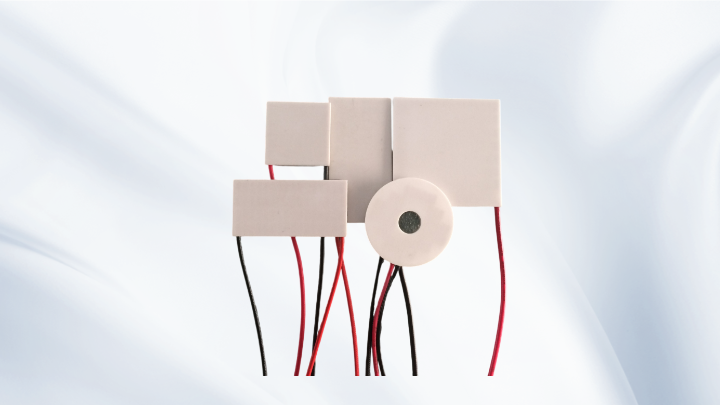
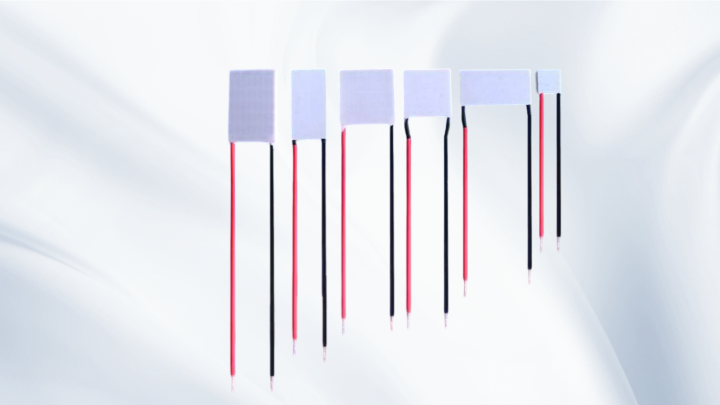
The primary benefits of these chips include high durability and scalability. With no moving parts, they are less prone to wear and tear, ensuring long-term performance in harsh environments. Additionally, they can be miniaturized for use in small devices or scaled up for industrial systems, offering flexibility across sectors. Their ability to operate in remote or off-grid locations further enhances their appeal, providing a sustainable power source without the need for fuel or extensive infrastructure.
Applications in Various Industries
Professional thermoelectric generator chips find use in diverse fields. In the automotive industry, they capture waste heat from engines to power auxiliary systems, improving fuel efficiency. In aerospace, they provide reliable electricity for satellites and probes where solar power is limited. Medical devices benefit from their ability to generate power from body heat, enabling long-lasting implants or wearable sensors. Moreover, in industrial settings, they recover energy from furnaces or machinery, reducing operational costs and carbon footprints.
Challenges and Future Developments
Despite their advantages, challenges such as low conversion efficiency and high material costs persist. Current research focuses on enhancing thermoelectric materials, like bismuth telluride or skutterudites, to boost performance. Innovations in nanotechnology and manufacturing processes are also driving down costs, making these chips more accessible. As demand for green energy grows, expect to see wider adoption in smart grids, IoT devices, and renewable energy systems, pushing the boundaries of what's possible with thermoelectric technology.
Common Questions
How efficient are professional thermoelectric generator chips compared to other power sources?
Typically, their efficiency ranges from 5% to 15%, which is lower than solar panels or traditional generators but excels in niche applications where heat is abundant and other options are impractical.
What are the main factors affecting the performance of these chips?
Key factors include the temperature gradient across the chip, the quality of thermoelectric materials, and thermal management systems to maintain optimal operating conditions.
Can thermoelectric generator chips be used in consumer electronics?
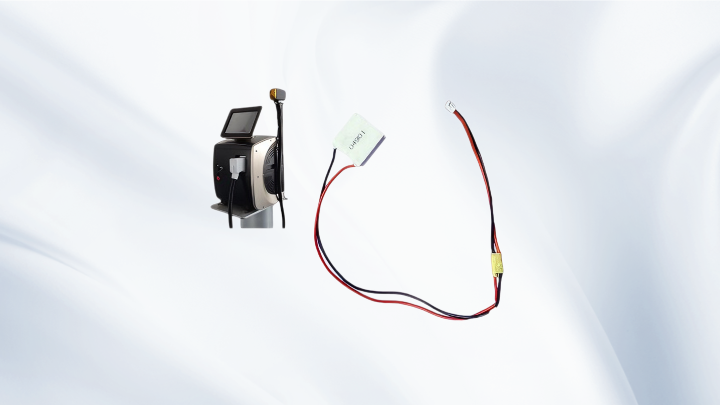
Yes, they are increasingly integrated into devices like smartwatches or remote sensors to extend battery life by harvesting ambient heat, though cost and size constraints still limit widespread use.
Related Posts