




Unlocking Efficiency and Precision: The Power of Professional Thermoelectric Cooling Modules
Understanding Thermoelectric Cooling Technology
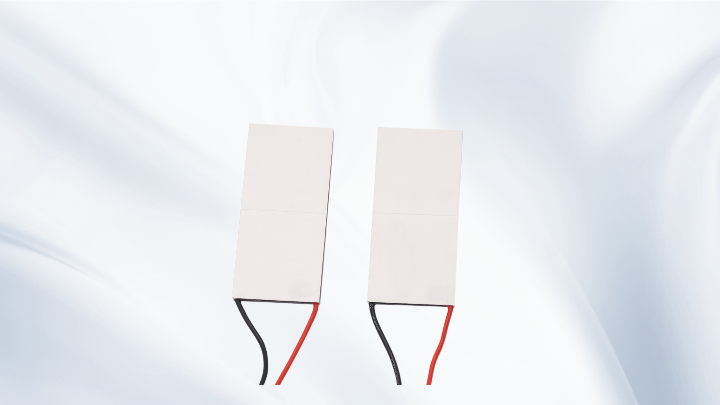
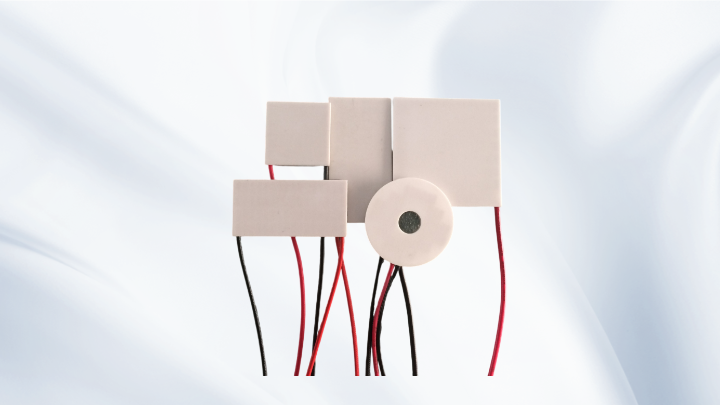
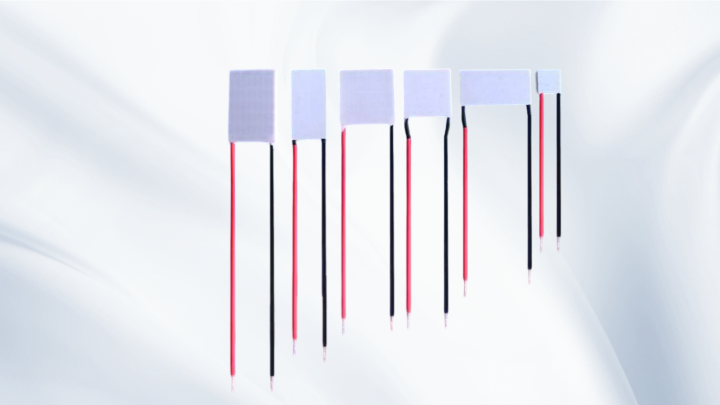
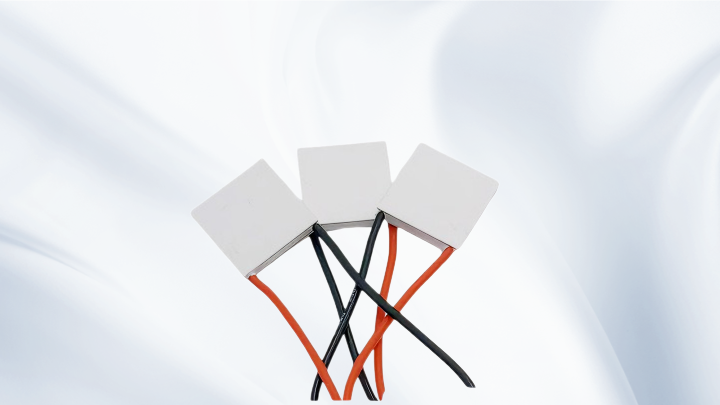
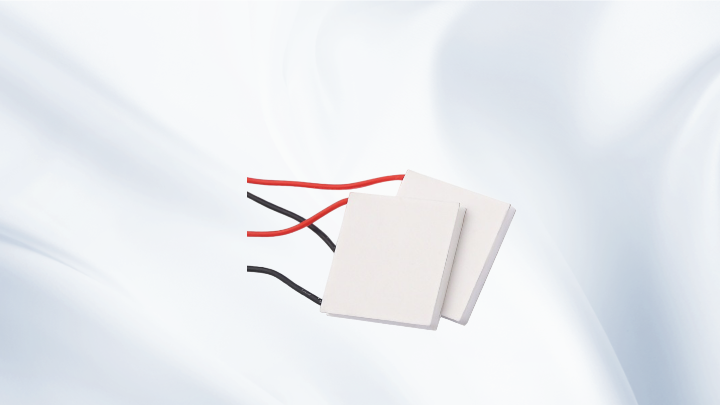
Thermoelectric cooling modules, also known as Peltier devices, operate on the principle of the Peltier effect, where an electric current flows through two dissimilar conductors to create a temperature difference. Unlike traditional cooling methods that rely on refrigerants or compressors, these modules use solid-state technology, eliminating the need for moving parts. This makes them highly reliable, quiet, and compact, suitable for environments where space and noise are critical factors. The core components include thermoelectric materials like bismuth telluride, which efficiently transfer heat when current is applied, enabling precise temperature control down to fractions of a degree.
Key Advantages in Professional Applications
Professional thermoelectric cooling modules offer several distinct benefits that set them apart from conventional cooling systems. First, their solid-state design ensures minimal maintenance and long operational life, as there are no mechanical parts to wear out. Second, they provide rapid response times, allowing for quick adjustments to temperature changes, which is crucial in applications like laboratory instruments or semiconductor manufacturing. Additionally, these modules can be easily scaled and integrated into various systems, from small medical devices to large industrial setups. Their ability to cool below ambient temperatures without refrigerants also makes them environmentally friendly, reducing the risk of leaks and contamination.
Common Uses Across Industries
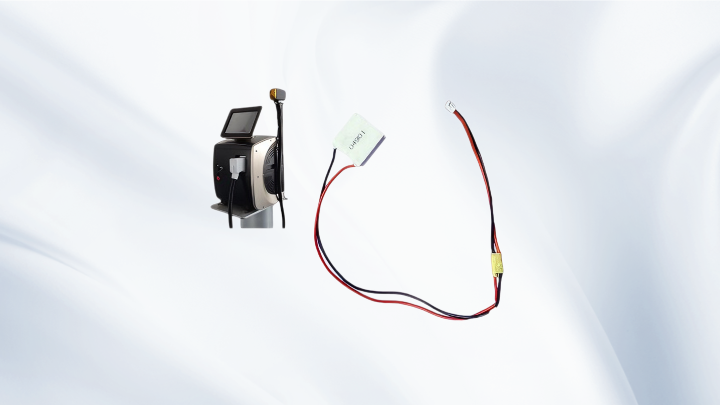
In the medical field, professional thermoelectric cooling modules are essential for maintaining precise temperatures in equipment such as PCR machines and blood analyzers, where even slight variations can affect results. In electronics, they prevent overheating in high-performance components like CPUs and lasers, enhancing reliability and lifespan. Industrial applications include temperature stabilization in manufacturing processes, such as in the production of pharmaceuticals or food products. Moreover, these modules are increasingly used in renewable energy systems, like solar panels, to improve efficiency by managing thermal loads. Their versatility extends to consumer products too, such as portable coolers and climate-controlled seats in vehicles.
Best Practices for Implementation
To maximize the effectiveness of professional thermoelectric cooling modules, it is important to follow best practices during installation and operation. Ensure proper thermal management by using adequate heat sinks and fans to dissipate waste heat, as inefficient heat removal can reduce performance. Select modules with appropriate power ratings and temperature ranges based on your specific application needs. Regular monitoring and calibration can help maintain accuracy over time, especially in critical systems. Additionally, consider environmental factors like humidity and dust, which may impact module longevity. Consulting with experts or manufacturers can provide tailored advice for complex setups, ensuring optimal integration and cost-efficiency.
Common Questions
How do professional thermoelectric cooling modules compare to traditional refrigeration systems?
Professional thermoelectric cooling modules are generally more compact, quieter, and require less maintenance due to their solid-state nature, but they may have lower cooling capacities and higher energy consumption for large-scale applications compared to traditional systems.
What are the typical lifespan and reliability of these modules?
With proper use and thermal management, professional thermoelectric cooling modules can last over 100,000 hours, offering high reliability in controlled environments, though factors like excessive heat or voltage spikes can shorten their lifespan.
Can these modules be used for both cooling and heating purposes?
Yes, by reversing the electric current flow, professional thermoelectric cooling modules can switch between cooling and heating modes, providing versatile temperature control in applications like climate chambers or thermal cycling devices.
Related Posts