




Unlocking the Power of Professional Thermoelectric Cooling Chips: A Comprehensive Guide to Advanced Thermal Management
Introduction to Professional Thermoelectric Cooling Chips
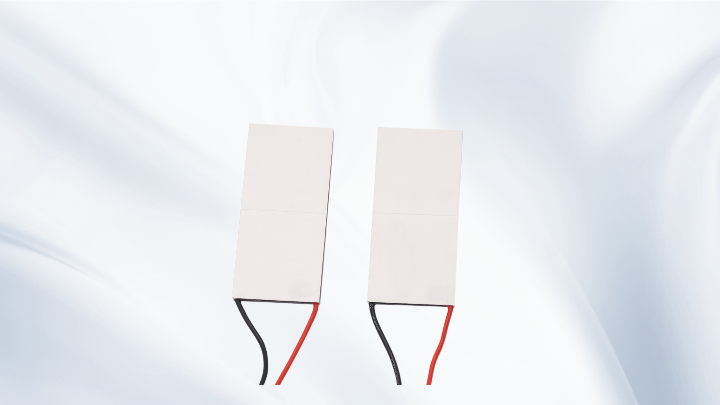
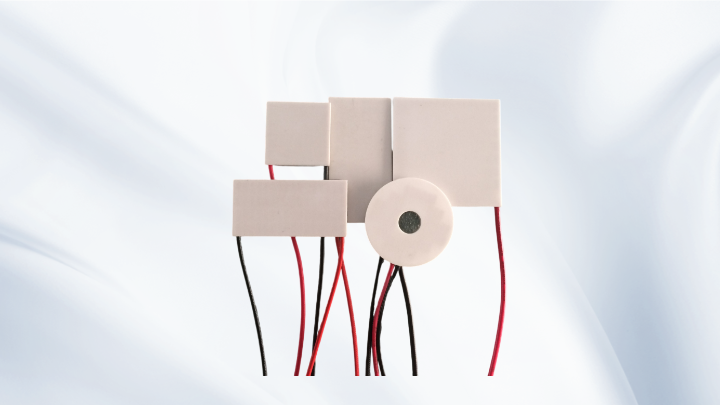
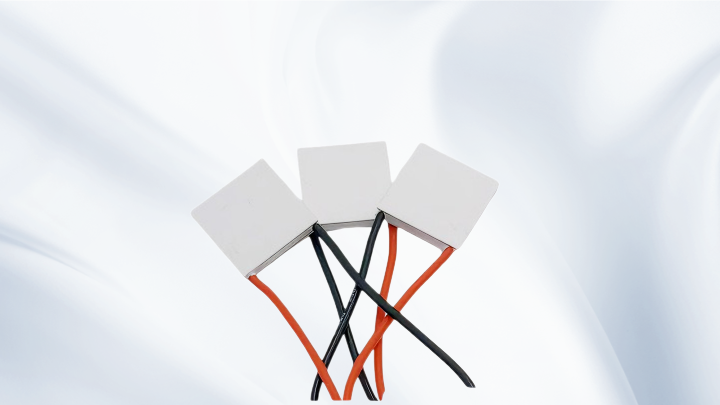
Professional thermoelectric cooling chips, often referred to as Peltier devices, are solid-state components that utilize the Peltier effect to transfer heat from one side to another when an electric current is applied. Unlike traditional cooling methods that rely on refrigerants or fans, these chips offer precise temperature control, compact size, and high reliability. They are widely used in applications requiring exact thermal management, such as laboratory equipment, telecommunications, and aerospace systems. By converting electrical energy directly into a temperature gradient, they eliminate moving parts, reducing maintenance and enhancing durability in professional settings.
How Professional Thermoelectric Cooling Chips Work
The operation of professional thermoelectric cooling chips is based on the Peltier effect, discovered by Jean Charles Athanase Peltier in 1834. When a direct current (DC) passes through a junction of two dissimilar semiconductors, heat is absorbed on one side (the cold side) and released on the other (the hot side). This process allows for active cooling without the need for compressors or fluids. Key components include n-type and p-type semiconductor materials, typically made from bismuth telluride, which are arranged in thermocouples to maximize efficiency. The cooling capacity depends on factors like current input, thermal conductivity, and heat sink design. For optimal performance, it's crucial to manage the heat dissipation on the hot side using effective heat sinks or fans to prevent overheating and ensure stable operation.
Applications of Professional Thermoelectric Cooling Chips
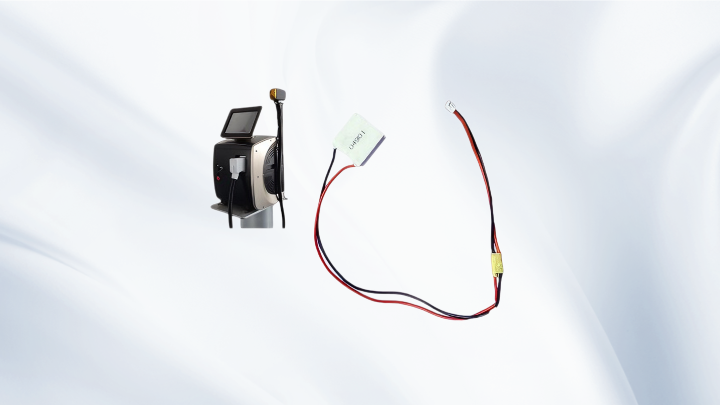
Professional thermoelectric cooling chips find diverse applications across various industries due to their versatility and precision. In the electronics sector, they are used to cool high-power components like CPUs, GPUs, and laser diodes, preventing thermal throttling and extending device lifespan. In medical devices, they enable precise temperature control for equipment such as PCR machines, blood analyzers, and portable coolers for vaccines. The automotive industry employs them in seat cooling systems and battery thermal management for electric vehicles. Additionally, they are integral in scientific instruments, telecommunications infrastructure, and aerospace systems where reliability and compactness are paramount. Real-world examples include cooling infrared cameras in surveillance systems and maintaining stable temperatures in environmental chambers for testing.
Benefits and Advantages of Using Professional Thermoelectric Cooling Chips
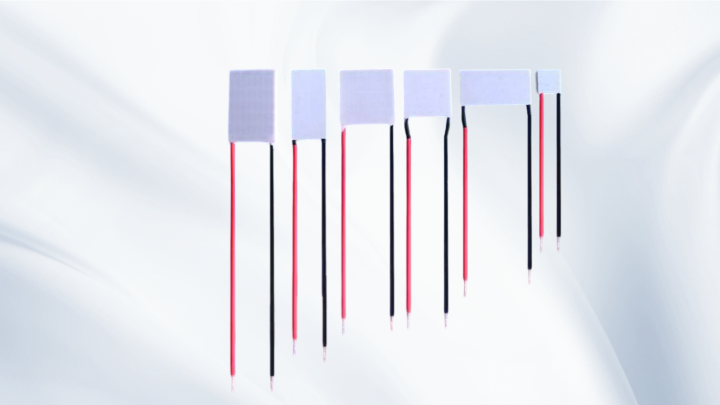
Using professional thermoelectric cooling chips offers numerous benefits that make them a preferred choice for advanced thermal management. Their solid-state nature means no moving parts, resulting in silent operation, minimal vibration, and reduced risk of mechanical failure. They provide precise temperature control, often within ±0.1°C, which is essential for sensitive applications in laboratories or medical fields. These chips are also highly scalable and can be customized in size and shape to fit specific design requirements. Compared to traditional cooling methods, they are more energy-efficient in certain scenarios, especially for small-scale cooling needs. However, it's important to note that their efficiency can decrease in high-temperature differentials, so proper system design is key to maximizing advantages like longevity and cost-effectiveness.
Common Challenges and Solutions in Implementing Professional Thermoelectric Cooling Chips
Implementing professional thermoelectric cooling chips can present challenges, but with proper strategies, these can be overcome. One common issue is heat dissipation on the hot side; if not managed effectively, it can lead to reduced cooling performance or chip failure. Solutions include using high-quality heat sinks, fans, or liquid cooling systems to efficiently remove heat. Another challenge is power consumption, as these chips require a constant DC power supply. To address this, engineers can optimize the current input and use energy-efficient designs, such as pulse-width modulation (PWM) controllers. Thermal cycling and stress may also cause material fatigue over time, so selecting durable materials and ensuring proper installation can enhance reliability. Regular maintenance, like cleaning heat sinks and checking electrical connections, helps prevent common problems and extends the chip's operational life.
Future Trends and Innovations in Professional Thermoelectric Cooling Technology
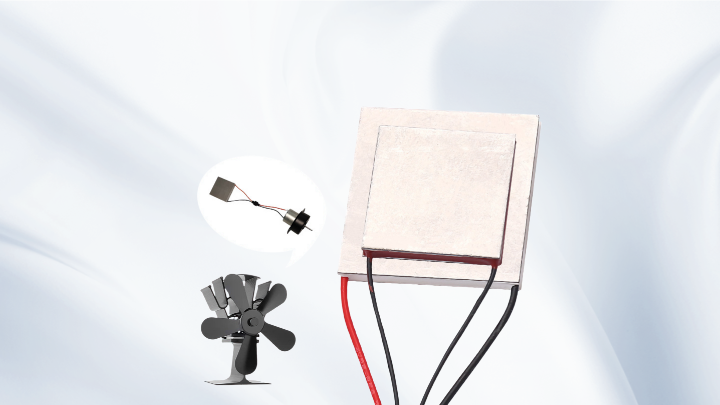
The future of professional thermoelectric cooling chips looks promising, with ongoing research and innovations driving advancements. Emerging trends include the development of new semiconductor materials, such as skutterudites and half-Heusler compounds, which offer higher thermoelectric efficiency and better performance at elevated temperatures. Integration with IoT and smart systems allows for real-time monitoring and adaptive cooling, enhancing energy savings and precision. In the renewable energy sector, these chips are being explored for waste heat recovery applications, converting excess heat into electricity. As demand grows for compact and eco-friendly cooling solutions, we can expect further miniaturization and improved cost-effectiveness. Staying updated with these trends can help professionals leverage the latest technologies for optimal thermal management in their projects.
Frequently Asked Questions
What is the main difference between professional thermoelectric cooling chips and traditional cooling methods?
Professional thermoelectric cooling chips use the Peltier effect for solid-state cooling without refrigerants or moving parts, offering precise temperature control and compact design, whereas traditional methods like compressors or fans rely on mechanical components and fluids, which can be bulkier and less precise.
How can I improve the efficiency of a professional thermoelectric cooling chip in my application?
To improve efficiency, ensure effective heat dissipation on the hot side using quality heat sinks or fans, optimize the DC current input to match cooling needs, and minimize thermal resistance by using thermal interface materials. Proper system design and regular maintenance also play key roles.
Are professional thermoelectric cooling chips suitable for high-temperature environments?
While they can operate in various conditions, their efficiency may decrease in high-temperature differentials. For high-temperature environments, it's essential to use chips with appropriate material ratings and robust cooling systems to manage heat effectively and prevent damage.
Related Posts