




The Ultimate Guide to Professional Thermoelectric Coolers: Efficiency, Applications, and Selection Tips
How Professional Thermoelectric Coolers Work
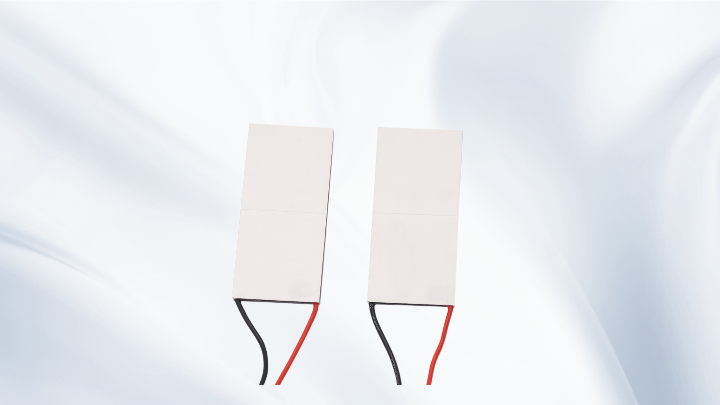
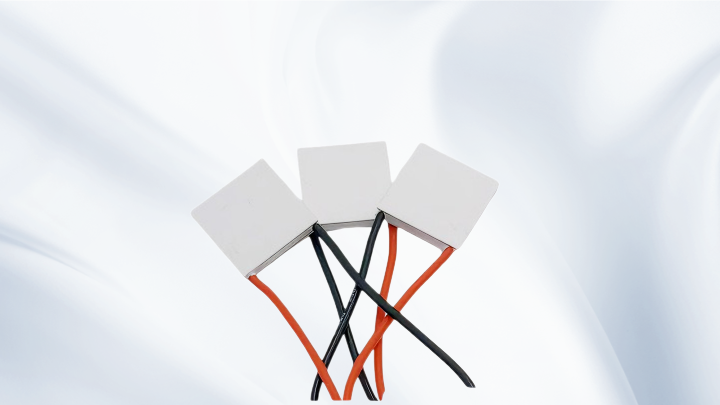
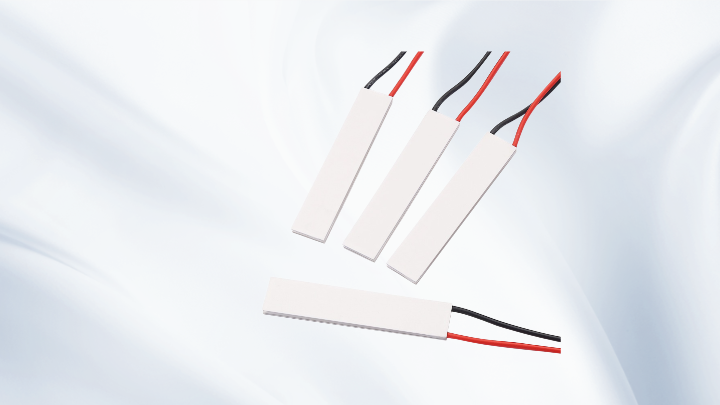
Professional thermoelectric coolers operate based on the Peltier effect, a phenomenon where an electric current passed through two dissimilar conductors causes heat to be absorbed at one junction and released at the other. This process enables precise cooling or heating without the need for refrigerants or compressors, making TECs highly reliable and compact. In practice, a typical TEC consists of multiple semiconductor elements arranged between ceramic plates, which efficiently transfer heat when powered. This solid-state design minimizes mechanical failures and allows for rapid temperature adjustments, often within seconds, making them ideal for applications requiring tight thermal management.
Key Advantages of Using Professional Thermoelectric Coolers
One of the primary benefits of professional thermoelectric coolers is their high reliability and durability. Since they lack moving parts, TECs are less prone to wear and tear compared to traditional cooling systems like compressors, leading to longer lifespans and reduced maintenance costs. Additionally, they offer precise temperature control, with some models capable of maintaining temperatures within ±0.1°C, which is crucial for sensitive equipment in laboratories or medical devices. Their compact size and lightweight nature also allow for easy integration into space-constrained environments, such as in automotive electronics or portable cooling units. Moreover, TECs are environmentally friendly, as they do not use harmful refrigerants, aligning with sustainability goals in many industries.
Common Applications in Various Industries
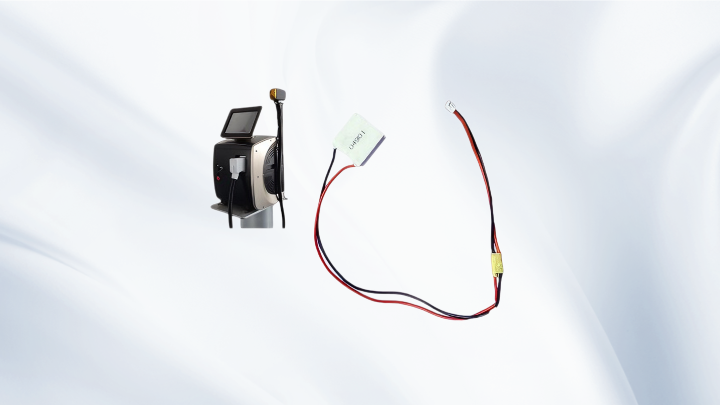
Professional thermoelectric coolers are widely used across multiple sectors due to their versatility. In the medical field, they are essential for cooling diagnostic instruments, blood analyzers, and PCR machines, where stable temperatures are vital for accurate results. The automotive industry employs TECs in seat climate control systems and battery thermal management for electric vehicles, enhancing comfort and safety. In electronics, they help prevent overheating in high-performance components like CPUs and lasers, ensuring optimal operation. Other applications include food and beverage storage, where TECs maintain precise temperatures in compact refrigerators, and aerospace, where they provide reliable cooling in satellites and avionics systems.
How to Choose the Right Professional Thermoelectric Cooler
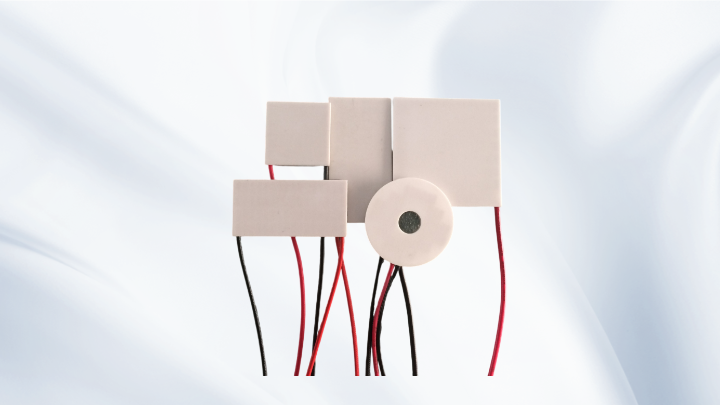
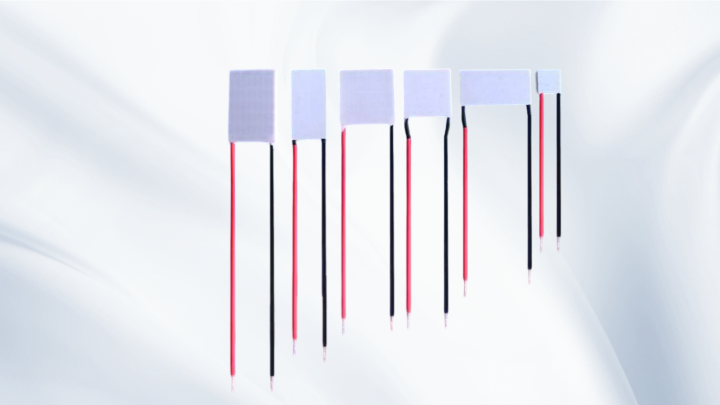
Selecting the appropriate professional thermoelectric cooler involves considering several factors to match your specific needs. First, assess the cooling capacity, measured in watts, which should exceed the heat load of your application to ensure efficient performance. Temperature range is another critical aspect; for instance, some TECs can cool down to -50°C, while others are better suited for moderate cooling around 0°C. Size and form factor should align with your device's dimensions, with options ranging from small modules for electronics to larger units for industrial use. Additionally, check the power requirements and efficiency ratings, as higher efficiency models may reduce energy consumption and operational costs. It's also advisable to consult with manufacturers or suppliers for custom solutions if standard models don't meet your requirements.
Maintenance and Troubleshooting Tips
To maximize the lifespan and performance of your professional thermoelectric cooler, regular maintenance is essential. Keep the cooler clean and free from dust, which can insulate heat and reduce efficiency. Ensure proper ventilation around the unit to prevent overheating, and check electrical connections periodically for corrosion or looseness. If you encounter issues like reduced cooling capacity, first verify the power supply and temperature settings, as fluctuations can affect operation. For persistent problems, inspect the thermal interface materials, such as thermal paste or pads, and replace them if worn out. In cases of complete failure, it may indicate a damaged semiconductor element, requiring professional repair or replacement. Following manufacturer guidelines and using compatible accessories can prevent many common issues.
Frequently Asked Questions
What is the typical lifespan of a professional thermoelectric cooler?
The lifespan of a professional thermoelectric cooler generally ranges from 50,000 to 100,000 hours of continuous operation, depending on usage conditions and maintenance. With no moving parts, they often outlast traditional cooling systems, but factors like high ambient temperatures or frequent thermal cycling can reduce durability.
Can professional thermoelectric coolers be used for both cooling and heating?
Yes, professional thermoelectric coolers can provide both cooling and heating functions by simply reversing the direction of the electric current. This reversibility makes them highly versatile for applications requiring precise temperature control in either direction, such as in thermal cycling devices or climate chambers.
How do I calculate the cooling capacity needed for my application?
To calculate the required cooling capacity, sum the heat generated by all components in your system and add a safety margin of 10-20%. Use the formula: Cooling Capacity (in watts) = Total Heat Load × Safety Factor. Consulting with an engineer or using online calculators from TEC manufacturers can provide more accurate estimates based on specific parameters.
Are professional thermoelectric coolers energy-efficient?
Professional thermoelectric coolers vary in energy efficiency, with coefficients of performance (COP) typically ranging from 0.3 to 0.7. While they may consume more power than some compressor-based systems for the same cooling output, their precision and reliability often justify the energy use in critical applications. Selecting high-efficiency models and optimizing system design can improve overall energy savings.
Related Posts