




Unlocking Cooling Efficiency: A Professional Guide to Semiconductor Refrigeration Tablets
Introduction to Semiconductor Refrigeration Tablets
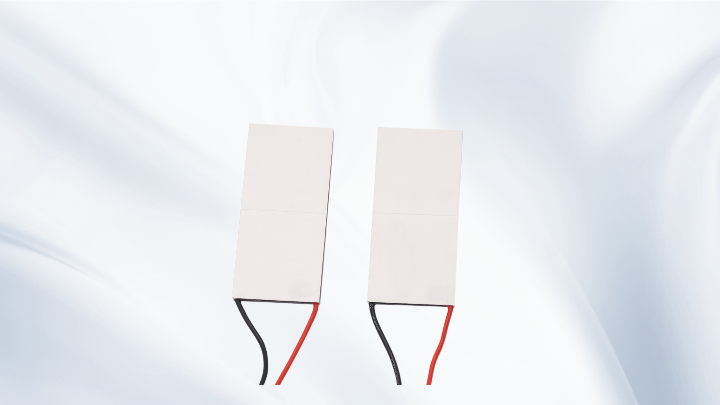
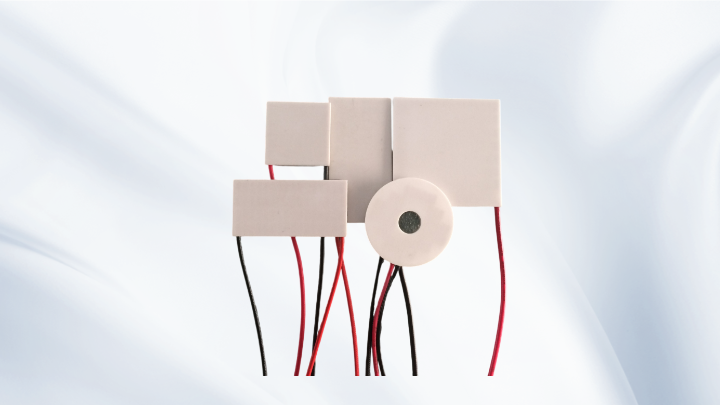
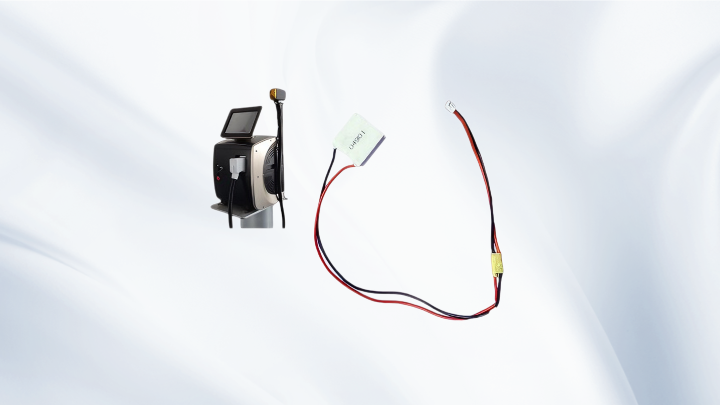
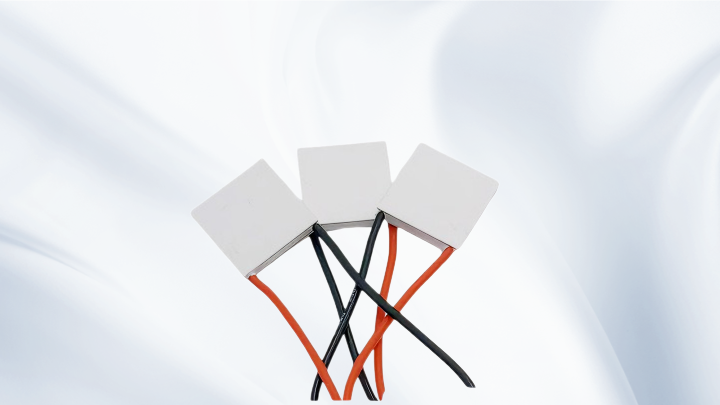
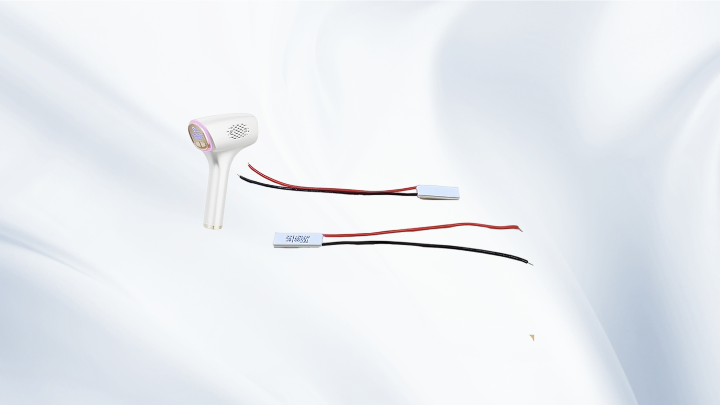
Semiconductor refrigeration tablets, often referred to as Peltier coolers, are advanced thermal management devices that utilize the Peltier effect to transfer heat. Unlike traditional cooling methods, these tablets provide solid-state cooling without moving parts, making them ideal for applications requiring quiet operation and precise temperature control. In professional settings, they are commonly used in electronics, medical equipment, and laboratory instruments to maintain stable temperatures and prevent overheating.
How Semiconductor Refrigeration Tablets Work
The core principle behind these tablets is the Peltier effect, where an electric current flows through two dissimilar conductors, causing heat to be absorbed on one side and released on the other. This process allows for rapid cooling or heating depending on the current direction. Key components include thermoelectric materials like bismuth telluride, which are sandwiched between ceramic plates to ensure efficient heat transfer. By adjusting the voltage, professionals can fine-tune the cooling capacity to suit specific needs, such as cooling CPUs in computers or stabilizing temperatures in scientific experiments.
Advantages in Professional Applications
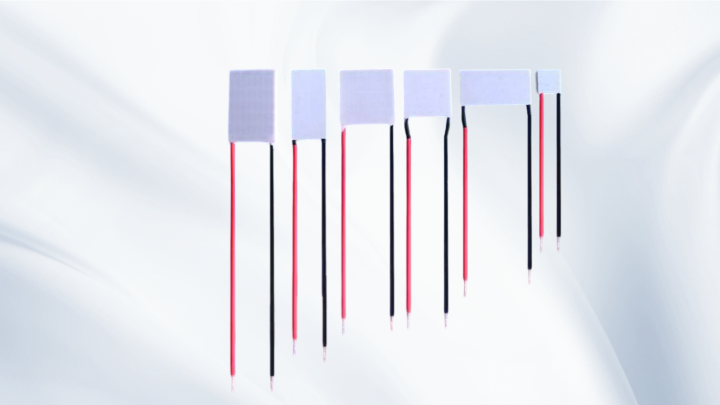
One of the primary benefits of semiconductor refrigeration tablets is their compact size and scalability. They can be integrated into small devices without adding bulk, making them perfect for portable electronics and space-constrained environments. Additionally, they offer high reliability and low maintenance, as there are no mechanical parts to wear out. In industries like telecommunications and automotive, these tablets help extend the lifespan of components by preventing thermal damage, thereby reducing downtime and costs.
Key Considerations for Optimal Use
To maximize the efficiency of semiconductor refrigeration tablets, professionals should consider factors such as heat dissipation and power supply. Proper heat sinks or fans are essential to dissipate the heat generated on the hot side, preventing performance degradation. It's also crucial to match the tablet's cooling capacity with the thermal load of the application; overloading can lead to inefficiency or failure. For instance, in data centers, using tablets with adequate cooling power ensures servers operate within safe temperature ranges, enhancing overall system stability.
Common Challenges and Solutions
Despite their advantages, semiconductor refrigeration tablets face challenges like limited cooling capacity at high temperatures and sensitivity to environmental conditions. To address this, professionals can implement multi-stage cooling systems or use advanced materials with higher thermoelectric efficiency. Regular monitoring and calibration are also recommended to maintain performance over time. In my experience, combining these tablets with liquid cooling systems in high-performance computing setups has proven effective in achieving optimal thermal management.
Future Trends and Innovations
The future of semiconductor refrigeration tablets looks promising, with ongoing research focused on improving energy efficiency and material science. Innovations such as nanostructured thermoelectric materials and integrated smart controls are expected to enhance cooling performance while reducing power consumption. As industries increasingly prioritize sustainability, these advancements will make semiconductor refrigeration tablets more viable for green technologies, such as renewable energy systems and electric vehicles.
Common Questions
What are the main differences between semiconductor refrigeration tablets and traditional cooling methods?
Semiconductor refrigeration tablets use the Peltier effect for solid-state cooling without moving parts, offering precise control and quiet operation. In contrast, traditional methods like fans or compressors rely on mechanical components, which can be noisier and less efficient in compact spaces.
How do I choose the right semiconductor refrigeration tablet for my application?
Consider factors such as cooling capacity, voltage requirements, and thermal load. It's advisable to consult manufacturer specifications and conduct tests to ensure compatibility with your device's heat dissipation needs.
Can semiconductor refrigeration tablets be used for heating as well?
Yes, by reversing the electric current direction, these tablets can switch from cooling to heating mode, making them versatile for applications that require both functions, such as temperature cycling in laboratory equipment.
What maintenance is required for semiconductor refrigeration tablets?
Minimal maintenance is needed due to their solid-state design. However, regular cleaning of heat sinks and checking for dust buildup can help maintain efficiency. Ensure proper power supply to avoid voltage fluctuations that might damage the tablet.
Related Posts