




Unlocking Efficiency and Precision: The Power of Professional Semiconductor Refrigeration Sheets
Introduction to Semiconductor Refrigeration Technology
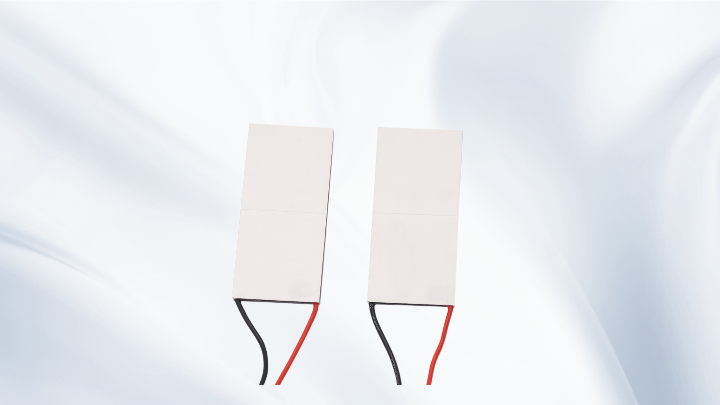
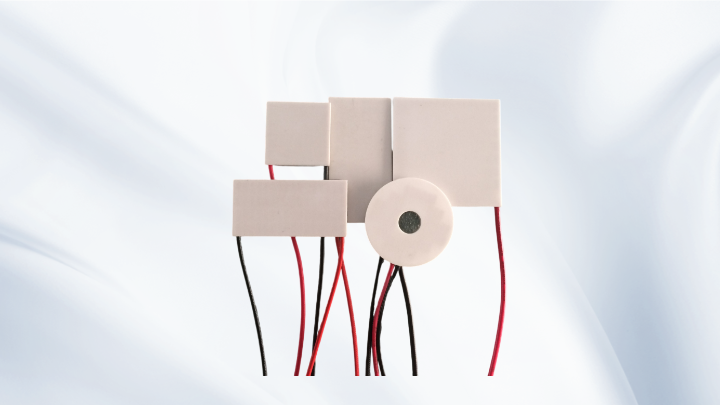
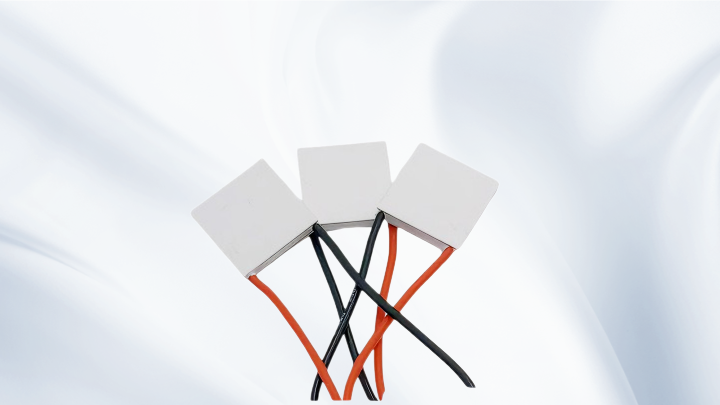
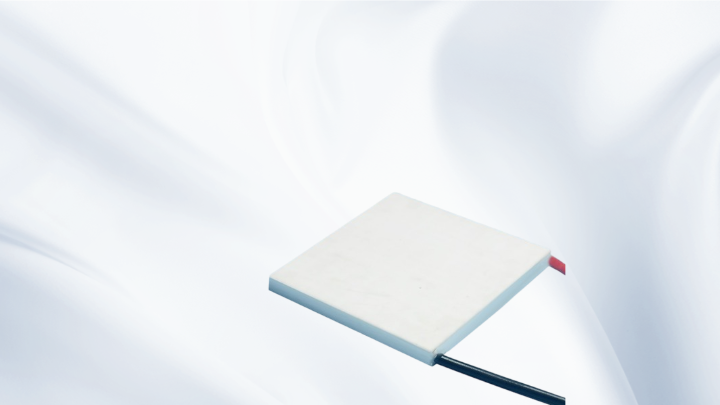
Semiconductor refrigeration sheets, also known as thermoelectric coolers (TECs), are devices that use the Peltier effect to transfer heat from one side to another when an electric current is applied. Unlike traditional refrigeration methods that rely on compressors and refrigerants, these sheets offer a solid-state solution, making them compact, quiet, and environmentally friendly. The core of this technology lies in the use of semiconductor materials, such as bismuth telluride, which exhibit high thermoelectric efficiency. This allows for precise temperature management, which is essential in applications where stability is paramount.
Key Applications in Modern Industries
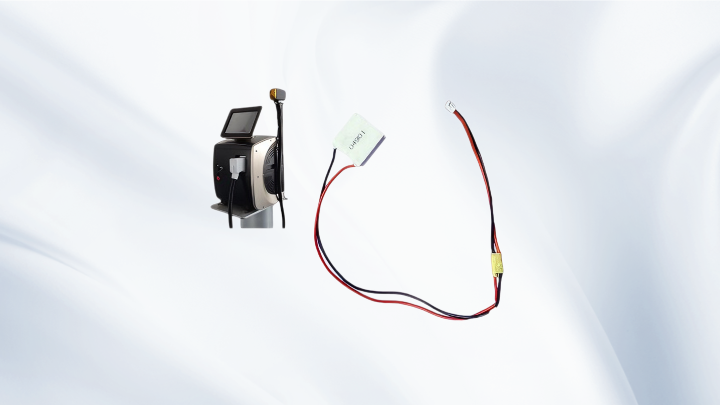
Professional semiconductor refrigeration sheets are widely used across multiple sectors due to their versatility. In the electronics industry, they are crucial for cooling high-performance components like CPUs and GPUs in computers and servers, preventing overheating and ensuring longevity. In medical devices, they enable precise temperature control for equipment such as PCR machines and blood analyzers, which require stable conditions for accurate results. Additionally, they find applications in aerospace for thermal management in satellites and in automotive systems for cooling sensors and batteries. The ability to provide localized cooling without bulky systems makes them ideal for space-constrained environments.
Benefits of Using Semiconductor Refrigeration Sheets
The adoption of professional semiconductor refrigeration sheets offers numerous advantages. First, their solid-state design means no moving parts, reducing maintenance needs and increasing reliability. They are also highly efficient, with some models achieving coefficients of performance (COP) that rival traditional methods. Moreover, they allow for precise temperature control, often within ±0.1°C, which is vital for sensitive applications. Environmental benefits include the absence of harmful refrigerants, aligning with green initiatives. From a cost perspective, while initial investment might be higher, long-term savings from reduced energy consumption and durability can be significant.
Considerations for Selection and Implementation
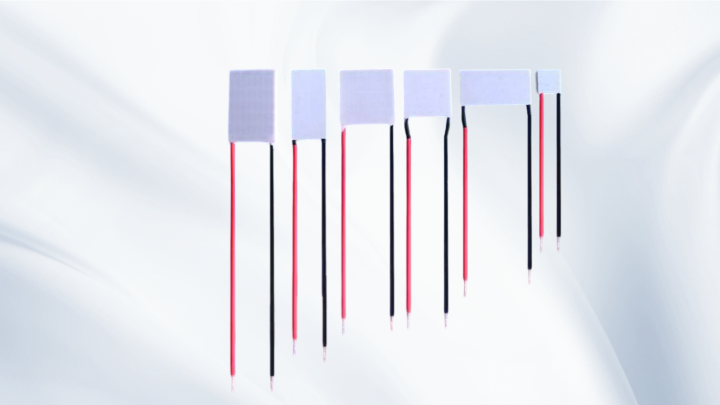
When choosing a semiconductor refrigeration sheet, several factors must be considered to ensure optimal performance. Key parameters include the maximum temperature difference (ΔT), cooling capacity (Qc), and input voltage. It's important to match these specifications with the application's requirements, such as the heat load and ambient conditions. Proper heat sinking is critical; without adequate dissipation, the sheets can overheat and fail. Additionally, power supply stability is essential to maintain consistent cooling. For best practices, consult manufacturer guidelines and consider integrating thermal management systems, like fans or heat pipes, to enhance efficiency.
Common Questions
How do semiconductor refrigeration sheets compare to traditional cooling methods?
Semiconductor refrigeration sheets offer advantages such as compact size, quiet operation, and precise control, but they may have lower efficiency for large-scale cooling compared to compressor-based systems. They are best suited for applications where space, noise, or exact temperature regulation are priorities.
What are the typical lifespan and maintenance requirements?
With proper use and heat management, these sheets can last over 50,000 hours. Maintenance is minimal due to the lack of moving parts; regular cleaning of heat sinks and ensuring stable power input are usually sufficient to prolong their life.
Can semiconductor refrigeration sheets be used in extreme temperatures?
Yes, but performance may vary. They operate effectively in a wide range, typically from -50°C to 80°C, but exceeding these limits can reduce efficiency or cause damage. Always check the datasheet for specific operating conditions.
Related Posts