




Unlocking the Future of Cooling: A Deep Dive into Professional Semiconductor Refrigerant Chips
Introduction to Professional Semiconductor Refrigerant Chips
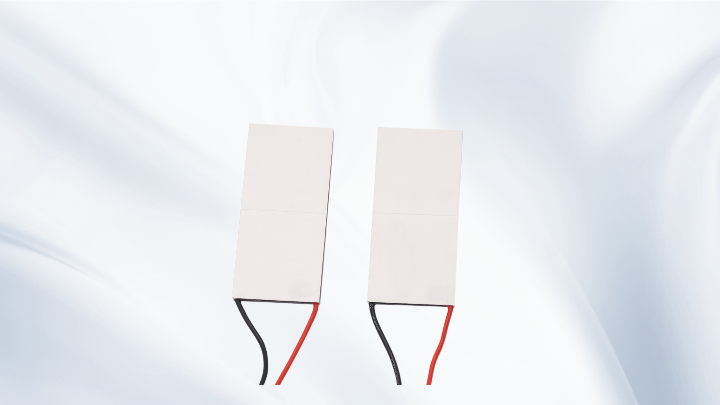
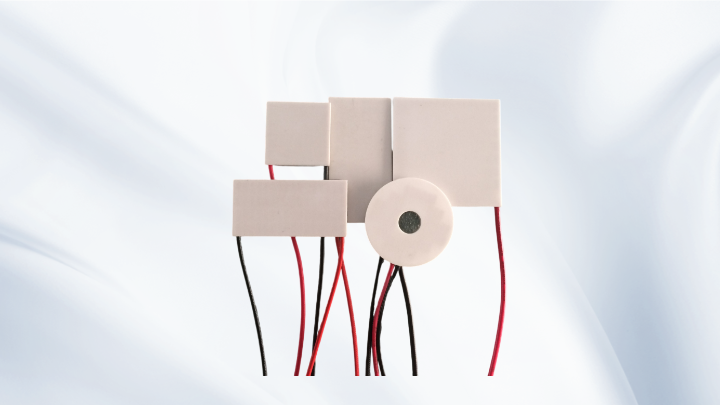
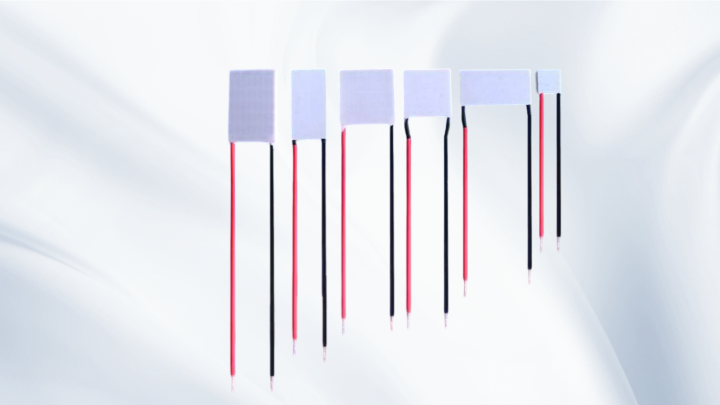
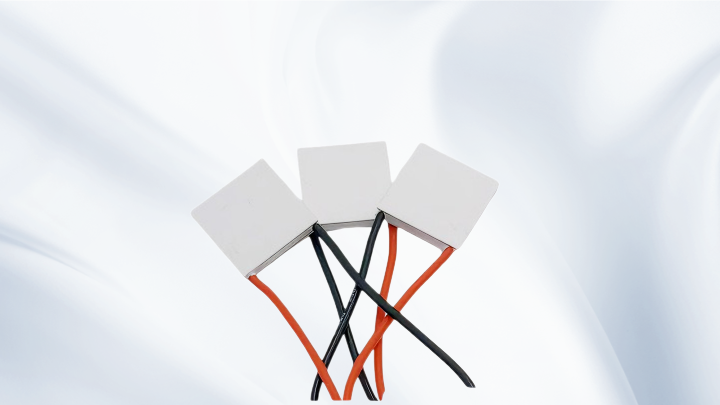
Professional semiconductor refrigerant chips, often referred to as thermoelectric coolers or Peltier devices, represent a cutting-edge technology in thermal management. These chips utilize the Peltier effect, where an electric current flows through two dissimilar conductors, creating a temperature difference. Unlike traditional refrigerant-based systems that rely on compressors and fluids, semiconductor chips offer a solid-state solution with no moving parts, making them highly reliable and maintenance-free. They are designed for precision cooling in applications where temperature control is critical, such as in medical devices, laboratory equipment, and high-performance electronics. By leveraging advanced materials like bismuth telluride, these chips can achieve efficient heat transfer with minimal energy consumption, paving the way for more sustainable and compact cooling solutions.
Key Features and Advantages
The primary advantage of professional semiconductor refrigerant chips lies in their solid-state design, which eliminates the need for mechanical components like compressors and fans. This results in reduced noise, vibration, and wear, leading to longer operational lifespans. Additionally, these chips offer precise temperature control, with the ability to cool or heat objects to specific setpoints quickly. They are also highly scalable, allowing for integration into small or large systems without significant modifications. Another key feature is their reversibility; by reversing the electric current, the chip can switch between cooling and heating modes, providing versatility in various environments. From a sustainability perspective, semiconductor chips often use environmentally friendly materials and consume less power compared to conventional systems, contributing to lower carbon footprints in industrial and commercial settings.
Applications Across Industries
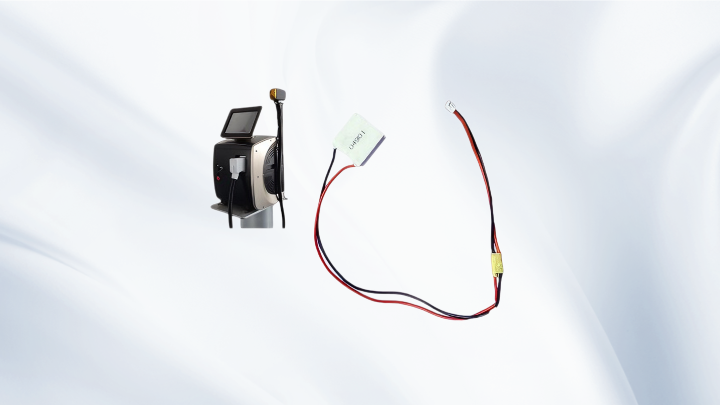
Professional semiconductor refrigerant chips find applications in a wide range of industries due to their versatility and efficiency. In the medical field, they are used in devices like PCR machines and blood analyzers, where precise temperature regulation is essential for accurate diagnostics. In electronics, these chips help cool high-performance components such as CPUs and GPUs in servers and gaming systems, preventing overheating and ensuring optimal performance. The automotive industry employs them in climate control systems for electric vehicles, enhancing passenger comfort while reducing energy use. Moreover, in aerospace and defense, semiconductor chips provide reliable cooling for sensitive equipment in extreme conditions. As technology advances, emerging applications include wearable devices and IoT sensors, where compact and efficient cooling is crucial for functionality and longevity.
Common Challenges and Solutions
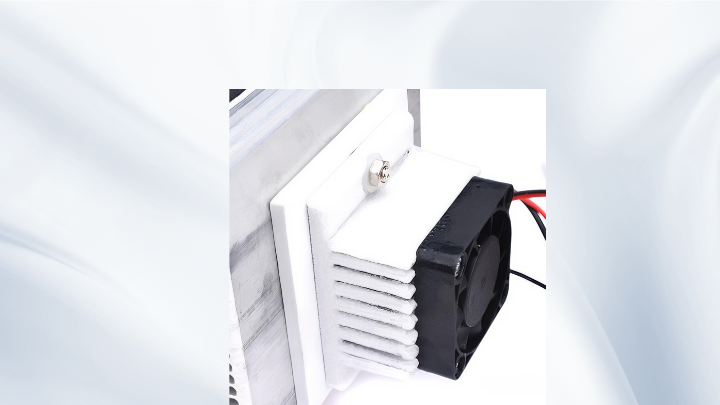
Despite their benefits, professional semiconductor refrigerant chips face challenges such as limited cooling capacity and efficiency at high temperature differentials. To address this, engineers often combine multiple chips in arrays or use advanced heat sinks to dissipate heat more effectively. Another issue is the cost of materials like bismuth telluride, which can be expensive; however, ongoing research into alternative materials and manufacturing techniques is helping to reduce prices. Additionally, proper thermal management is critical to prevent hotspots and ensure even cooling. By implementing integrated control systems and regular maintenance checks, users can optimize performance and extend the lifespan of these chips. It's also important to consider power supply requirements, as inefficient power sources can lead to reduced efficiency; using regulated DC power supplies is recommended for best results.
Future Trends and Innovations
The future of professional semiconductor refrigerant chips looks promising, with innovations focused on improving efficiency and expanding applications. Researchers are exploring new materials, such as skutterudites and half-Heusler compounds, which offer higher thermoelectric performance at lower costs. Advances in nanotechnology are enabling the development of thinner and more flexible chips, suitable for wearable and portable devices. Additionally, the integration of AI and IoT technologies allows for smart cooling systems that can adapt to real-time conditions, optimizing energy use. As global demand for sustainable solutions grows, these chips are expected to play a key role in reducing energy consumption in data centers, electric vehicles, and renewable energy systems. By staying informed about these trends, professionals can leverage semiconductor technology to drive innovation and efficiency in their projects.
Frequently Asked Questions
What is the main difference between semiconductor refrigerant chips and traditional cooling systems?
Semiconductor refrigerant chips use the Peltier effect for solid-state cooling without moving parts, offering precise temperature control and lower maintenance, whereas traditional systems rely on compressors and fluids, which can be noisier and less efficient.
How efficient are professional semiconductor refrigerant chips compared to other methods?
While semiconductor chips are highly efficient for small-scale and precision applications, they may have lower efficiency at large temperature differentials compared to vapor-compression systems. However, ongoing advancements are improving their performance and making them competitive in broader contexts.
Can these chips be used for heating as well as cooling?
Yes, by reversing the electric current, professional semiconductor refrigerant chips can switch between cooling and heating modes, providing versatile thermal management solutions for various environments and needs.
What are the typical maintenance requirements for these chips?
Due to their solid-state design, semiconductor chips require minimal maintenance, primarily involving regular cleaning of heat sinks and ensuring proper power supply connections to prevent overheating and ensure longevity.
Related Posts