




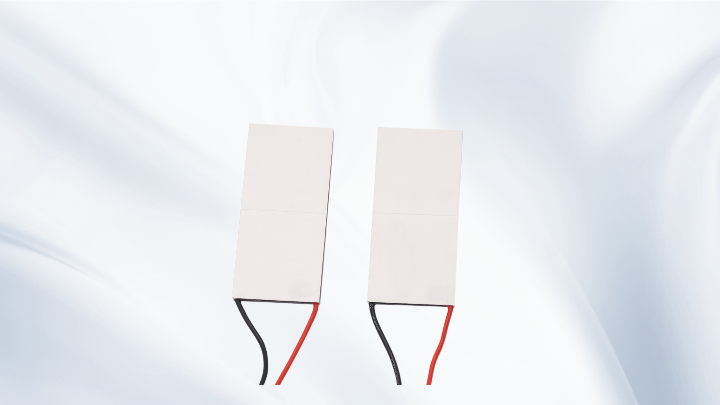
Mastering Professional Semiconductor Cooling Ribs: Essential Strategies for Enhanced Thermal Management
Understanding the Role of Cooling Ribs in Semiconductor Systems
Professional semiconductor cooling ribs, also known as heat sinks, are essential components designed to transfer heat away from sensitive electronic parts. In high-performance devices like CPUs, GPUs, and power transistors, excessive heat can lead to reduced efficiency, reliability issues, or even permanent damage. By increasing the surface area for heat dissipation, cooling ribs help maintain safe operating temperatures, which is crucial for applications ranging from data centers to automotive electronics. Effective thermal management not only extends the lifespan of semiconductors but also enhances overall system performance, making it a key consideration in modern engineering designs.
Key Design Principles for Optimal Heat Dissipation
Designing effective cooling ribs involves several critical factors. First, the material choice is paramount; common options include aluminum and copper due to their high thermal conductivity. Aluminum is lightweight and cost-effective, while copper offers superior heat transfer but is heavier and more expensive. The geometry of the ribs, such as fin density and height, also plays a significant role. Increasing the surface area through intricate fin patterns can improve heat dissipation, but it must balance with airflow constraints to avoid creating turbulence that reduces efficiency. Computational fluid dynamics (CFD) simulations are often used to optimize these designs, ensuring that cooling ribs meet specific thermal requirements without adding unnecessary bulk or weight to the system.
Material Selection and Manufacturing Techniques
Selecting the right materials for professional semiconductor cooling ribs is a nuanced process. Beyond aluminum and copper, advanced materials like graphene or composite alloys are emerging for specialized applications requiring extreme thermal performance. Manufacturing techniques vary from extrusion for simple designs to forging or additive manufacturing for complex geometries. Precision in fabrication is essential to ensure tight tolerances and minimal thermal resistance at the interface between the semiconductor and the cooling rib. Additionally, surface treatments, such as anodizing or coating, can enhance corrosion resistance and improve heat transfer efficiency, further boosting the reliability of thermal management systems in harsh environments.
Integration and Best Practices in Real-World Applications
Integrating cooling ribs into semiconductor systems requires careful planning. Proper mounting methods, such as using thermal interface materials (TIMs) like thermal paste or pads, are crucial to minimize air gaps and maximize heat conduction. In practice, engineers must consider factors like ambient temperature, airflow, and power density. For instance, in server racks, cooling ribs are often paired with fans or liquid cooling systems to handle high heat loads. Regular maintenance and monitoring are also important; dust accumulation on fins can insulate heat, reducing effectiveness over time. By following industry standards and testing protocols, professionals can ensure that cooling ribs perform reliably, contributing to energy-efficient and durable electronic devices.
Common Questions
What are the main differences between aluminum and copper cooling ribs?
Aluminum cooling ribs are lightweight, affordable, and suitable for most general applications, offering good thermal conductivity. Copper ribs provide better heat transfer but are heavier and more expensive, making them ideal for high-performance scenarios where efficiency is critical.
How can I improve the efficiency of my cooling rib design?
To enhance efficiency, focus on optimizing fin geometry for increased surface area, ensure proper material selection based on thermal needs, and use computational simulations to test designs. Additionally, maintaining clean fins and adequate airflow can prevent performance degradation.
Are there any emerging trends in semiconductor cooling technology?
Yes, trends include the use of advanced materials like graphene for superior thermal management, integration with liquid cooling systems for higher heat dissipation, and the adoption of additive manufacturing for custom, complex cooling rib designs that improve efficiency in compact devices.
Related Posts