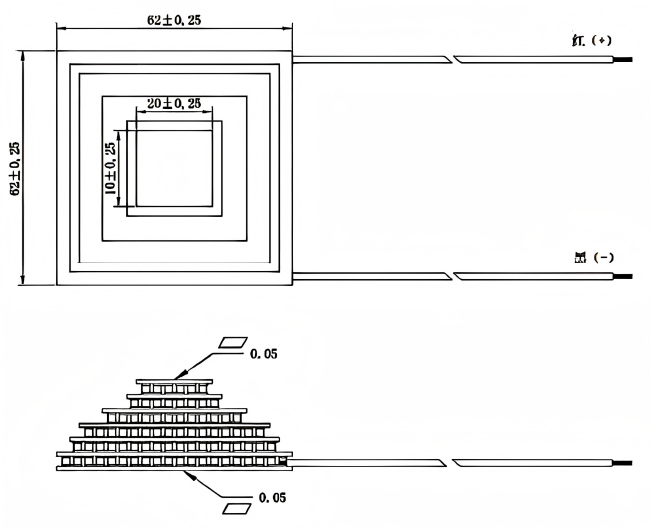
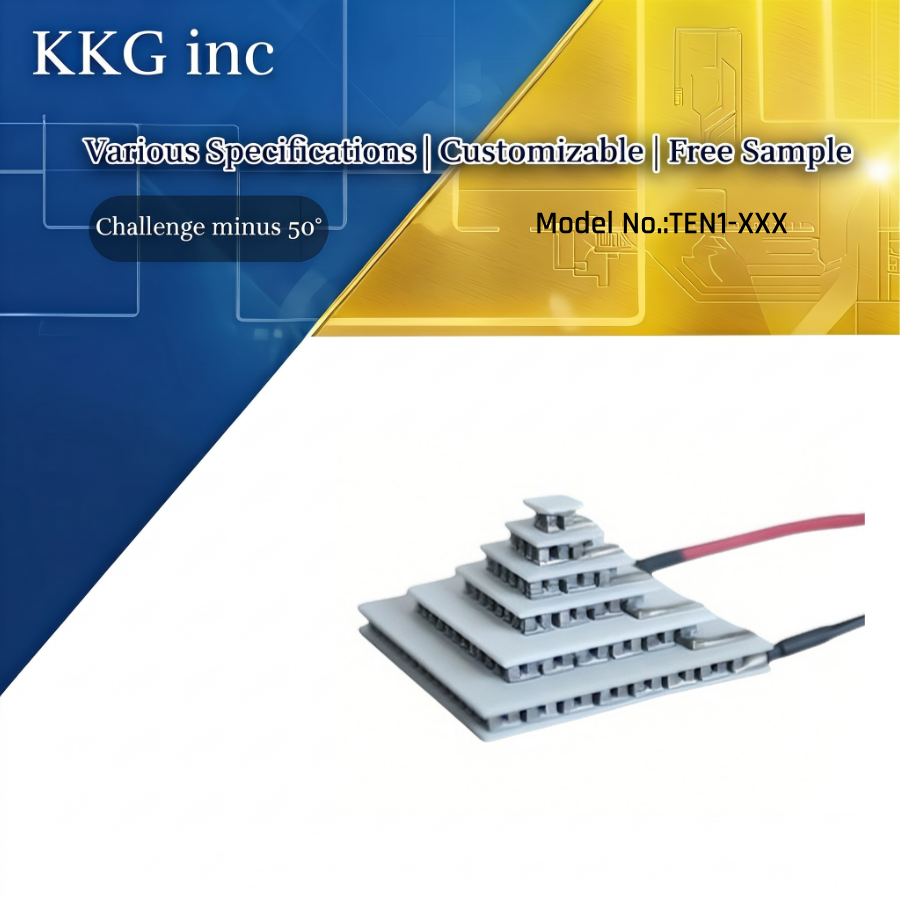
🔹Product Drawing of Multi-layer TEC Product
![]()
🔹Product Parameter of Multi-layer TEC Cooler
| Item | Symbol | Value | Condition @Th=50℃ |
| Maximum Current | Imax | 5.0 A | Th=30℃ |
| Maximum Voltage | Vmax | 30.0 V | Th=30℃ |
| Maximum Temperature Difference | ΔTmax | ≥100℃ | Qc=0, Th=30℃ |
| Maximum Cooling Capacity | Qcmax | 9.0 W | ΔT=0, Th=30℃ |
| Flatness | — | ≤0.05 mm | — |
| Packaging | — | Foam + Carton | — |
| Operating Temperature Range | TR | -50 ~ 80℃ | — |
| Power Lead | — | 20AWG, 150mm length, customizable | — |
🔹 Product Structure of Multi-layer Custom Coolers (Multi-stage TEC)
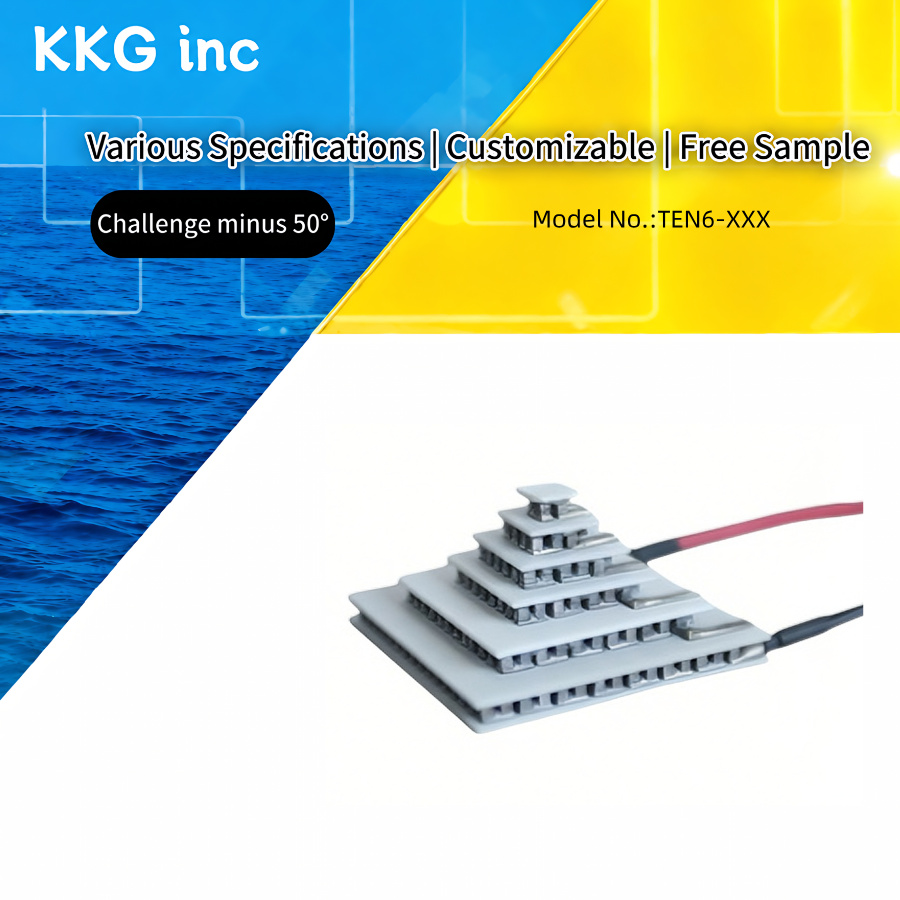
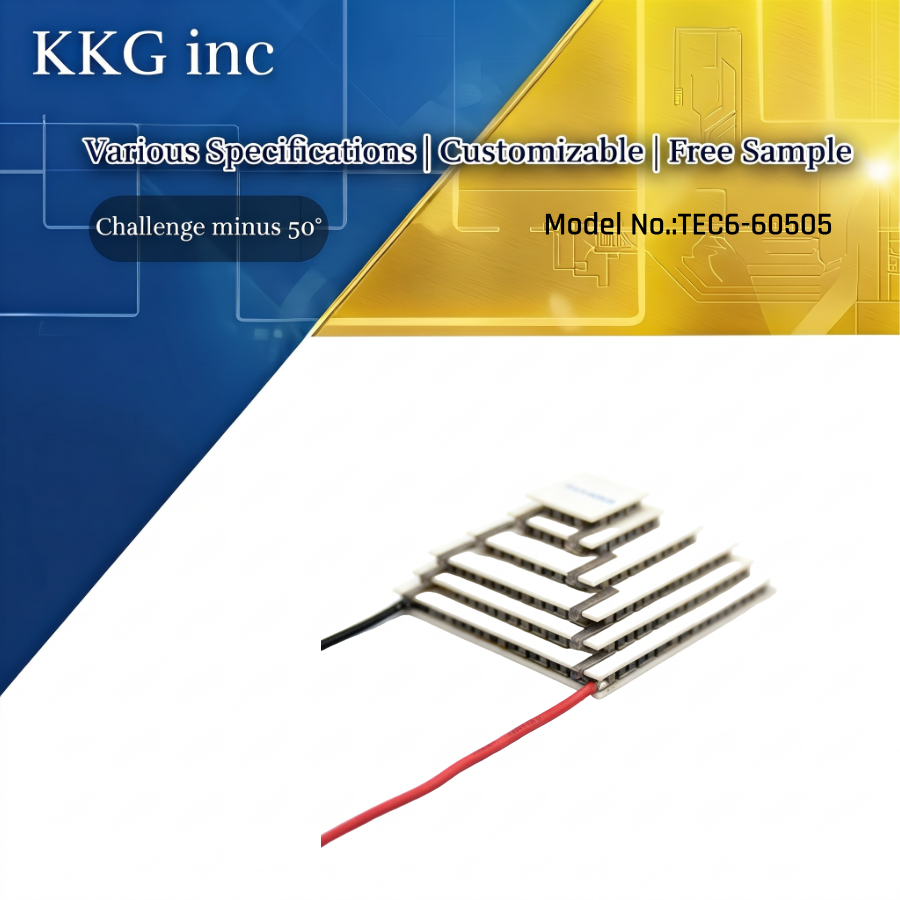
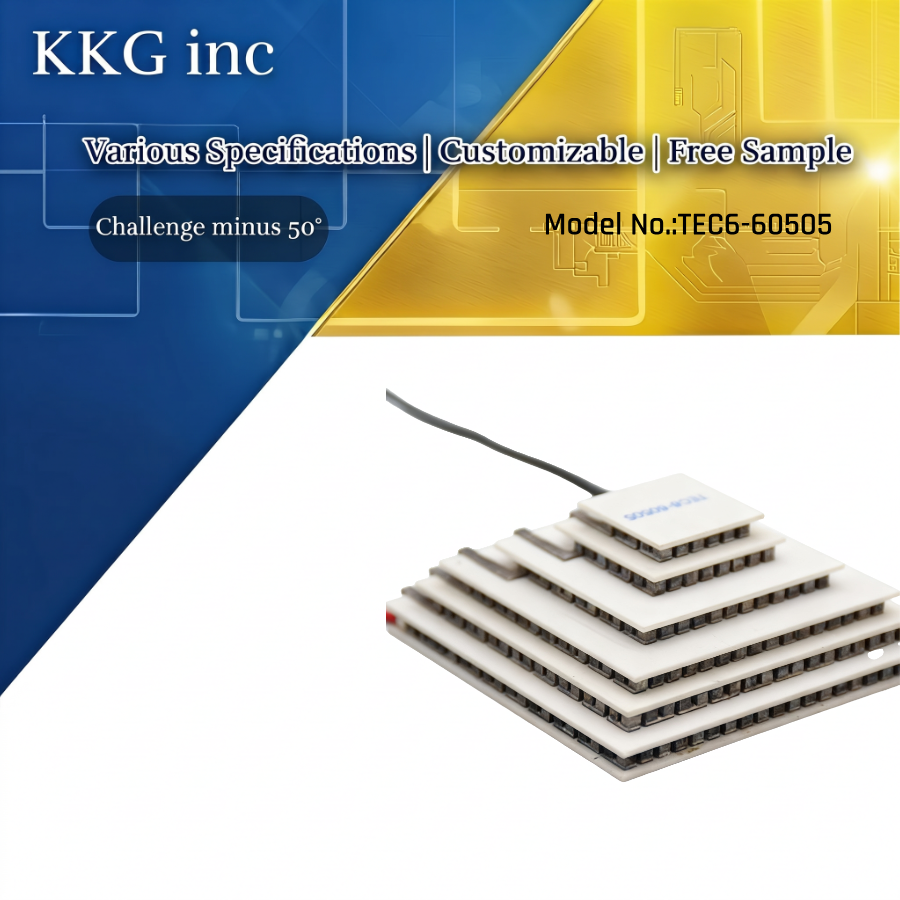
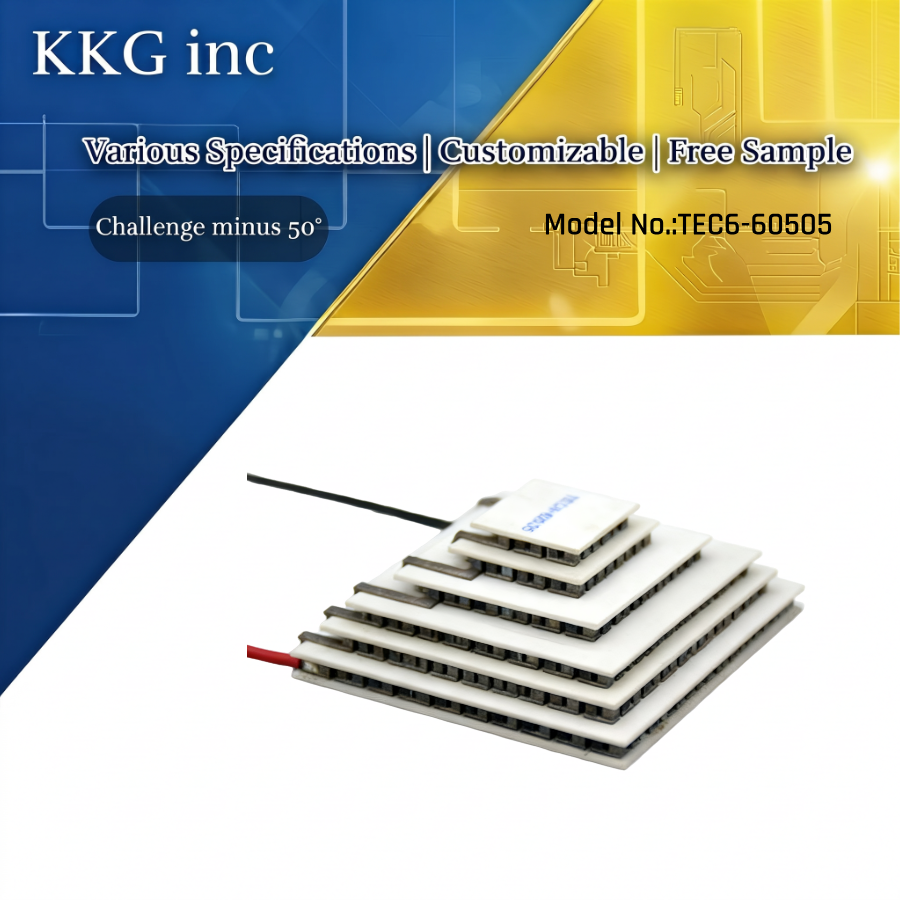
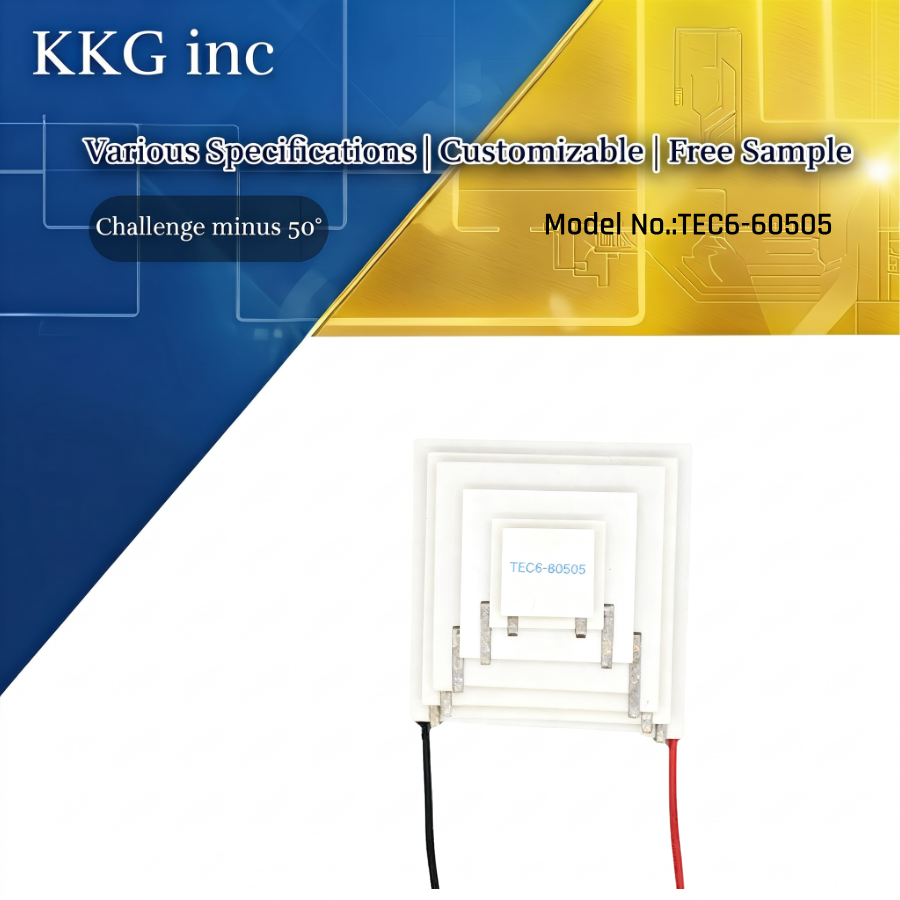
This is a multi-stage thermoelectric cooling (TEC / Peltier) module with a typical pyramid-shaped stacked structure:
1. Overall Appearance
- Features a stepped pyramid structure, with the bottom layer having the largest area, gradually decreasing in size as it rises, and the top layer serving as the final cold end.
- Constructed by “thermally series-connecting” 2 to 6 single-stage TEC modules.
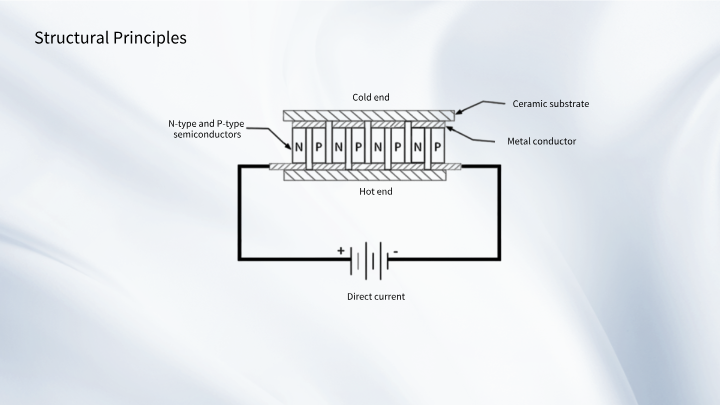
- Each layer consists of a ceramic substrate, semiconductor grains, and metal busbars.
2. Single-Stage Internal Structure
- Ceramic Substrate: Upper and lower layers of highly thermally conductive, electrically insulating alumina/aluminum nitride ceramics, serving as the heat exchange interface between the hot and cold ends.
- Semiconductor grains: Alternately arranged P-type and N-type bismuth telluride (Bi₂Te₃) semiconductor grains, which form the core of the thermoelectric conversion process.
- Metal bus bars: Copper or aluminum electrodes that connect the P/N semiconductors in series to form a thermoelectric stack, enabling current conduction and heat transfer.
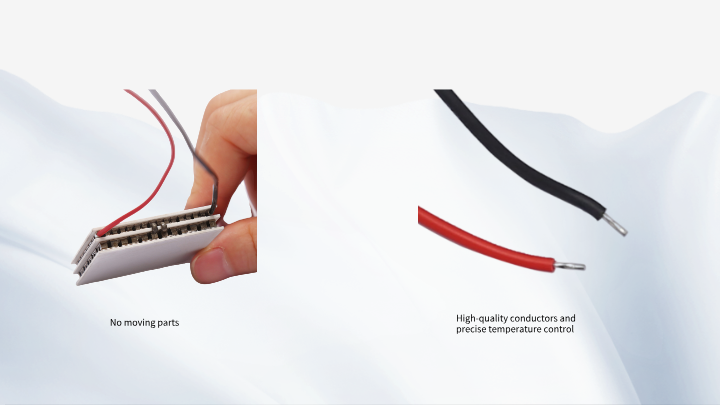
- Leads: Two wires (red and black) used to connect to a DC power source and control the direction and magnitude of the current.
c. Stacking Logic
The cold end of the next-level TEC serves as the hot end of the previous-level TEC, transferring heat step by step.
The bottom-most module has the highest heat dissipation capacity, while the top-most module has the smallest surface area, thereby maximizing the temperature difference.
🔹Multi-layer Semiconductor Cooler Working Principle
![]()
The core technology is based on the Peltier effect, with multi-stage stacking enabling “relay-style deep cooling”:
1. Single-stage working principle
When a direct current passes through a P/N semiconductor junction:
Electrons (N-type) and holes (P-type) move in a specific direction driven by an electric field, absorbing heat at the cold end and releasing heat at the hot end.
When the current direction is reversed, the functions of the cold and hot ends are swapped, enabling bidirectional heating/cooling control.
2. Multi-Stage Cooling Principle
Heat is transferred step-by-step from the cold end at the topmost layer down to the hot end at the bottom layer, and is ultimately dissipated into the environment via an external heat sink (heatsink/fan).
Each stage further lowers the temperature relative to the previous stage, with the total temperature difference approximately equal to the sum of the temperature differences across all individual stages.
A 5-stage module can achieve ultra-low temperatures of **-50°C or even lower** (e.g., ΔT_max ≈ 120–130°C), far exceeding the approximately 70°C limit of a single-stage TEC.
🔹Multi-layer TEC product Feature
![]()
- No moving parts: Silent operation, vibration-free, and highly reliable.
- Precise temperature control: By adjusting the current, temperature control accuracy can reach ±0.1°C.
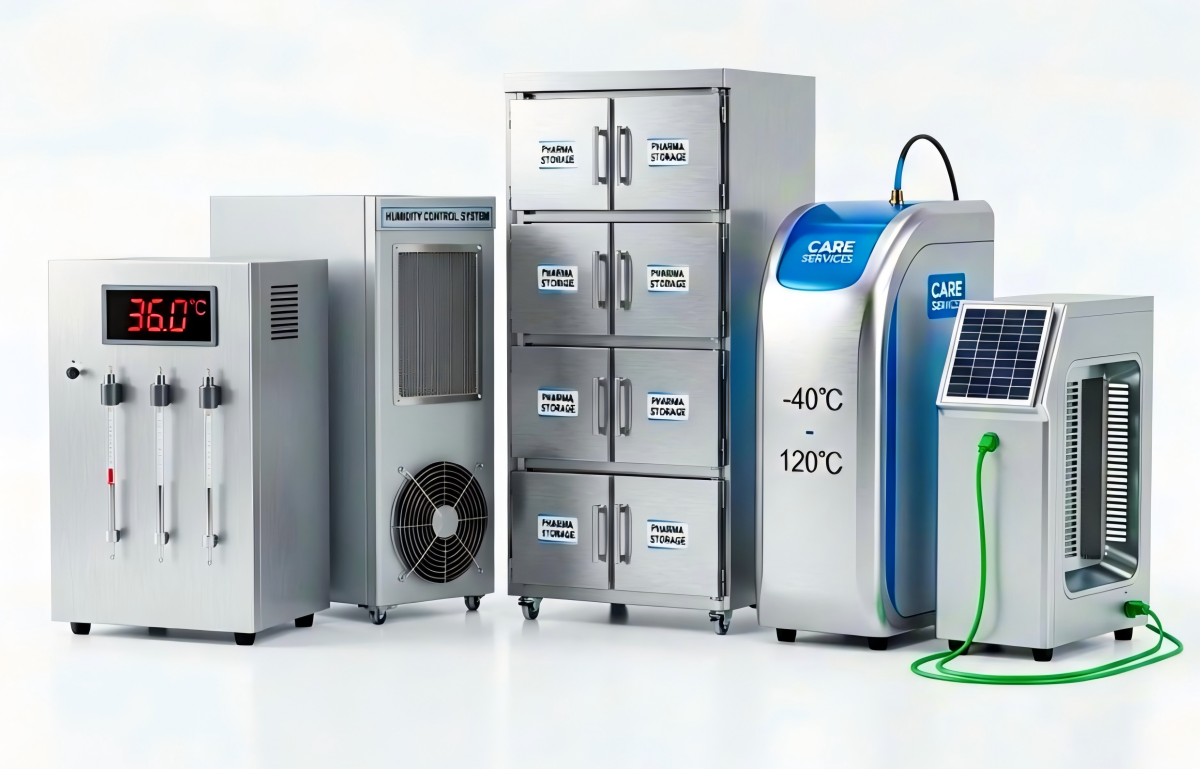
- Deep cooling: Suitable for applications requiring ultra-low temperatures, such as infrared detectors, laser devices, and medical reagents.
🔹Multi-layer Paltier refrigerator Application
![]()
1. Infrared imaging / detectors, CCD/CMOS sensor cooling
2. Temperature control for laser diodes and optical communication devices
3. Medical equipment (e.g., PCR instruments, low-temperature reagent storage)
4. High-precision analytical instruments (e.g., mass spectrometers, spectrometers)
5. Heat dissipation for industrial precision electronics
🔹Element Peltiers' Quick Notes for Use
1.Cooling: Red = Positive (+), Black = Negative (-) (wired ceramic plate = hot side)
Heating: Black = Positive (+), Red = Negative (-) (wired ceramic plate = cold side)
⚠️ Do NOT reverse polarity
2.Heat Sink & Thermal Grease
Apply thin, uniform thermal grease to contact surfaces
Never power on without a heat sink on the hot side
3.Temperature Limit
Hot side temperature must not exceed 80°C
4.Installation
Align module between heat sink and cold plate; apply uniform pressure
Use spring washers + plastic sleeves on screws (70% of failures are from bad installation)
Handle carefully: ceramic plates are brittle
5.Operation
Use DC power supply with <10% ripple
Set operating voltage to 60–80% of Vmax for best reliability








 Get A Free Quote