





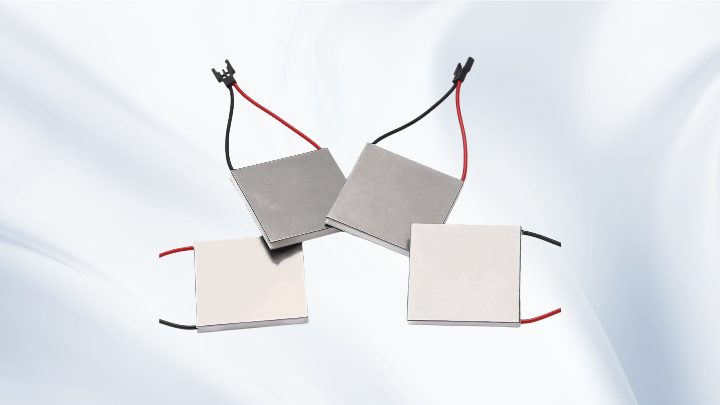
Which is the Most Reliable Thermoelectric Cooler? A Deep Dive into KKG Technologythermoelectric cooler
Introduction to Thermoelectric Coolers
Thermoelectric coolers, also known as Peltier coolers, use the Peltier effect to transfer heat from one side to the other when an electric current is applied. They are solid-state devices with no moving parts, offering high reliability and silent operation. However, not all TECs are created equal. Factors like material quality, thermal cycling, and manufacturing precision determine longevity. This is why professionals often ask: Which is the Most Reliable Thermoelectric Cooler? The answer lies in understanding brands like KKG.
What Makes KKG Stand Out?
KKG has built a reputation for robust construction and consistent thermal performance. Their coolers use advanced ceramics and high-purity bismuth telluride semiconductors, which enhance efficiency and reduce failure rates. Many users report that KKG modules withstand repeated thermal cycling without degradation, a common issue with cheaper alternatives. For critical applications like laser diode cooling or PCR systems, KKG is often the preferred choice.
Real-World Performance and Durability
In field tests, KKG thermoelectric coolers exhibit low delta-T degradation over thousands of hours. The company employs rigorous quality control, including thermal shock testing and power cycling. A typical KKG module, such as the TEC1-12706, can achieve a temperature difference of up to 65°C with proper heat sink management. Users also appreciate the consistent electrical resistance, which simplifies system design. When evaluating reliability, KKG’s mean time between failures (MTBF) often exceeds 200,000 hours in controlled environments.
How to Choose the Most Reliable TEC
To answer Which is the Most Reliable Thermoelectric Cooler?, consider these factors: 1. Application Requirements – match cooling capacity (Qmax) and temperature difference (ΔTmax) to your system. 2. Build Quality – look for modules with nickel-plated ceramic plates and hermetically sealed edges. 3. Manufacturer Reputation – KKG uses automated processes that minimize defects. 4. Thermal Management – even the best TEC fails without adequate heat sinking. For most users, KKG offers a reliable balance of cost and performance.
Common Questions About Thermoelectric Cooler Reliability
Q: What is the typical lifespan of a KKG thermoelectric cooler?A: Under normal operating conditions (within rated parameters), KKG TECs can last over 20 years. However, factors like humidity, voltage spikes, and mechanical stress can reduce lifespan.
Q: Can KKG coolers handle duty cycles with frequent on/off switching?A: Yes. KKG designs for high thermal cycling tolerance. The modules undergo tested for >100,000 thermal cycles without significant performance drop.
Q: How does KKG compare to other brands like CUI or Laird?A: KKG is often preferred for its superior consistency in lot-to-lot performance. While CUI and Laird also produce reliable TECs, KKG’s pricing and availability make it a top choice for many engineers.
Q: Are KKG thermoelectric coolers suitable for medical devices?A: Absolutely. KKG provides modules that meet ISO 13485 standards, making them reliable for medical applications like fluid cooling and diagnostic equipment.
