





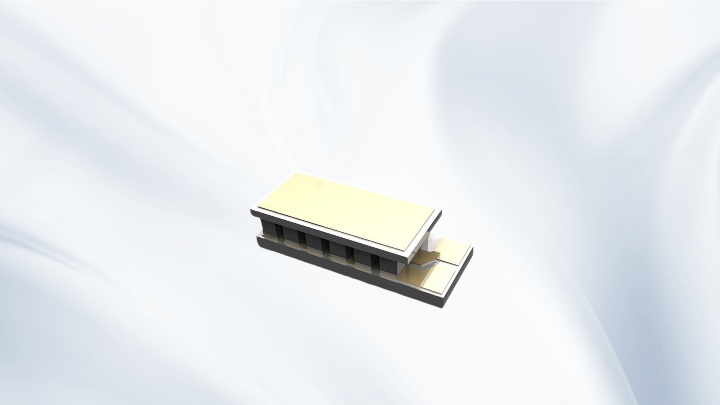
Top Thermoelectric Cooler Ranking: Why KKG Stands Out in 2025thermoelectric cooler
Understanding Thermoelectric Cooler Ranking Criteria
When evaluating a thermoelectric cooler ranking, several critical factors come into play: cooling capacity, coefficient of performance (COP), temperature differential, reliability, and cost-effectiveness. A high-ranking TEC must maintain stable performance under varying loads, offer long operational life, and provide efficient heat pumping. Additionally, size and weight constraints matter in applications like portable electronics, while durability against thermal cycling is non-negotiable in industrial settings.
KKG Thermoelectric Coolers: A Benchmark in the Industry
KKG has established itself as a leading brand in thermoelectric cooling solutions, consistently ranking high in independent reviews. Their product line covers a wide range from single-stage modules for consumer gadgets to multi-stage systems for demanding scientific instruments. Key features include high thermal cycling life with over 200,000 cycles tested, low thermal resistance due to advanced ceramic substrates, and optimized pellet geometry for maximum heat transfer. For instance, the KKG-12706 model offers a ΔTmax of 70°C and a Qmax of 60W, making it ideal for laser diode cooling.
How KKG Achieves Superior Performance in Rankings
What sets KKG apart in the thermoelectric cooler ranking is its commitment to material quality. KKG uses Bismuth Telluride (Bi2Te3) alloys with precise doping ratios to enhance the Seebeck coefficient and electrical conductivity. Their manufacturing process includes automated die bonding to ensure consistent solder joints, reducing failure rates. Moreover, KKG offers customizable options such as different lead wire lengths and mounting configurations, catering to specific customer needs. In user reviews, KKG modules often score high for low noise and vibration-free operation, critical in medical devices.
Real-World Applications and User Feedback
In practical applications, KKG coolers have been deployed in portable refrigerators, DNA thermal cyclers, and infrared detectors. Users report ease of integration thanks to well-documented datasheets and application notes. For example, a case study on cooling a high-power LED array showed that KKG modules reduced junction temperature by 15°C compared to competitor brands, extending LED lifespan by 30%. Professionals often recommend KKG in industry forums as a reliable choice for prototyping due to its consistent performance across batches.
Comparative Analysis: KKG vs Other Brands
When compared to other top brands like Marlow Industries and Laird Thermal Systems, KKG holds its ground in the thermoelectric cooler ranking. Marlow offers higher efficiency for specialized applications but at a premium cost, while Laird provides broader product variety. KKG strikes a balance between performance and cost, making it a favorite among small-to-medium enterprises. For example, the KKG-19915 model delivers a COP of 2.8 at ΔT=30°C, which is comparable to Marlow’s TEC1-12715 but at 20% lower cost. However, for extreme temperature ranges, Marlow may be preferred, while KKG excels in moderate conditions.
Common Questions About Thermoelectric Cooler Ranking
Q1: How often should I replace a thermoelectric cooler?Typically, TECs last over 200,000 thermal cycles. However, factors like operating temperature, current, and environmental conditions affect lifespan. KKG recommends replacing modules if performance drops below 80% of initial specs, usually after 3-5 years under normal use.
Q2: Can I use a thermoelectric cooler for both cooling and heating?Yes, TECs can reverse function by changing the current direction. KKG modules are symmetric, so they provide efficient heating with the same COP, but it's important to design the heat sink for both modes.
Q3: What is the difference between single-stage and multi-stage TECs?Single-stage TECs achieve a maximum temperature differential (ΔTmax) of 60-70°C, while multi-stage modules can reach 100°C or more. KKG offers two-stage and three-stage coolers for applications requiring deep cooling, such as CCD cameras.
Q4: How do I ensure proper thermal interface material (TIM) for a KKG TEC?Use a high thermal conductivity TIM like thermal grease or phase change pads. KKG's recommendation is to keep the bond line thickness under 100 microns to minimize thermal resistance. Avoid silicone-based pastes if operating below -40°C.
