





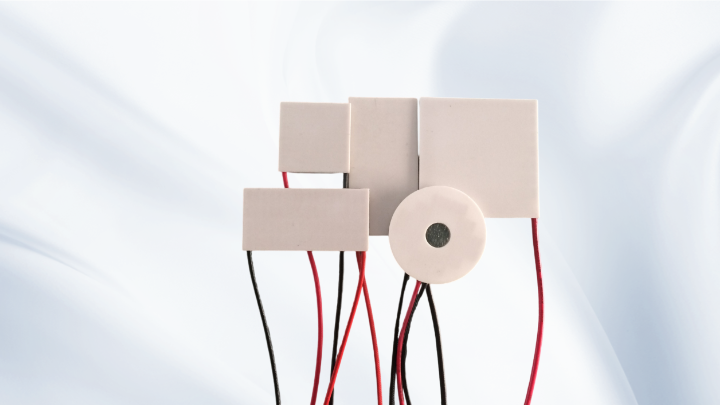
The Ultimate Guide to High-Quality TEC Coolers: How to Choose and Use Them Effectivelythermoelectric cooler
What Is a High-Quality TEC Cooler?
A High-Quality TEC Cooler is a thermoelectric module that efficiently converts electrical energy into a temperature difference via the Peltier effect. Unlike conventional compressors, TECs are compact, vibration-free, and can both cool and heat by reversing current. Key attributes of a high-quality TEC include a high coefficient of performance (COP), robust construction with >100,000 hours mean time between failures (MTBF), and matched thermal resistance for the intended application.
Why Choose a High-Quality TEC Cooler?
Investing in a High-Quality TEC Cooler ensures reliable performance, precise temperature regulation, and long service life. Premium TECs use advanced thermoelectric materials such as bismuth telluride alloys with optimized grain boundaries to reduce thermal conductivity while maintaining electrical conductivity. They also feature ceramic substrates with high thermal conductivity (e.g., aluminum nitride) to minimize thermal resistance and enable faster heat transfer. For demanding applications like laser diode cooling, medical devices, or scientific instruments, a high-quality TEC can achieve temperature stability within ±0.05°C.
How to Select the Right High-Quality TEC Cooler
Selection involves calculating the required cooling capacity (Qc), operating temperature difference (ΔT), and hot-side heat sink performance. A High-Quality TEC Cooler should have a maximum ΔT of at least 70°C and a Qc rating that exceeds your thermal load by 10-20%. For example, if you need to remove 50W of heat from an object at 20°C while the hot side is at 40°C, choose a TEC with Qc >55W at ΔT=20°C. Also consider the current and voltage requirements: high-quality modules typically operate at lower voltages (12V or 24V) for safety and compatibility with common power supplies. Finally, check the dimensions and mechanical interface – standard sizes like 40x40mm or 50x50mm are widely available with matched thermal pads.
Installation Best Practices for High-Quality TEC Coolers
Proper installation is critical for realizing the performance of a High-Quality TEC Cooler. First, ensure the hot side is connected to an efficient heat sink and fan – the heat sink's thermal resistance (θha) should be below 0.5°C/W to prevent overheating. Use a thin layer of thermal interface material (TIM) like thermal grease or a gap pad with <0.5°C-in²/W resistance. Apply even pressure across the TEC surface using a clamping mechanism with a torque of 0.2-0.4 Nm per screw. Avoid overtightening as it can crack the ceramic plates. Also, wire the TEC with a pulsed-width modulation (PWM) controller for variable cooling and to reduce thermal cycling stress. Always operate within the maximum rated temperature (usually <150°C on the hot side) to prevent degradation.
Maintenance and Troubleshooting
A High-Quality TEC Cooler requires minimal upkeep but certain issues can arise. Condensation is a common problem when cooling below the dew point – use insulation foam around the TEC and cold side to prevent water damage. If performance drops, check the power supply voltage for drops or ripple, and test the TEC with a multimeter: a good module will have resistance within ±10% of its spec. Over time, thermal grease can dry out – reapply TIM every 2-3 years. For high-cycling applications, consider using a TEC with an RTD sensor integrated for feedback control, ensuring consistent performance.
Common Questions About High-Quality TEC Coolers
Q: How efficient is a High-Quality TEC Cooler compared to a compressor?TECs generally have a COP of 0.3-1.0 for cooling, while compressors can achieve COP >3. However, TECs win in size, weight, and reliability when low cooling capacity (<100W) is needed. For spot cooling or temperature-sensitive electronics, a High-Quality TEC Cooler is the optimal choice.
Q: Can I run a TEC cooler continuously for years?Yes, high-quality TECs have an MTBF of >100,000 hours if operated within specs. Key longevity factors: keep the hot side below 80°C, use a quality power supply with low ripple, and avoid thermal shocks (temperature changes >1°C/min). Adding a fan that runs in sync with the TEC prolongs life.
Q: What is the cost of a High-Quality TEC Cooler?Prices vary by size and performance: a 60W-capable 40x40mm module costs $15-$30, while a 200W module (50x50mm) is $40-$80. Custom or high-performance types (e.g., with AlN ceramics) can exceed $100. Considering the reliability and precision, the cost is justified for critical applications.
Q: How do I connect multiple TEC coolers together?For higher heat pumping capacity, stack modules in cascaded configuration (one TEC's cold side to another's hot side) to achieve larger ΔT. For higher Qc, use modules in parallel on the same heat sink, each with its own controller. Ensure proper heat dissipation and avoid exceeding the power supply's current rating.