





The Science and Practicality of Thermoelectric Coolers: Choosing a Trustworthy TEC Coolerthermoelectric cooler
Understanding Thermoelectric Coolers
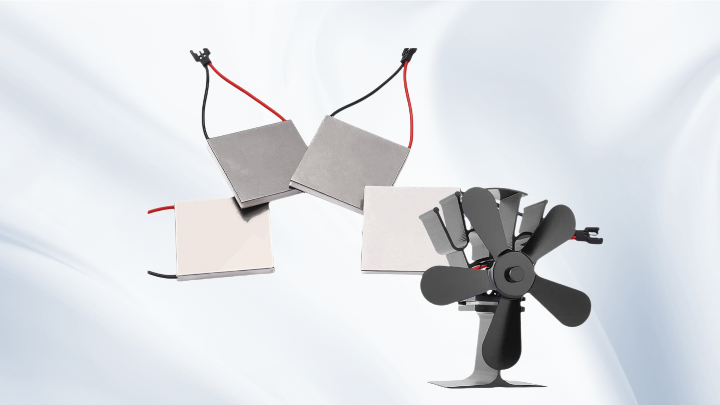
A thermoelectric cooler, also known as a Peltier device, operates on the Peltier effect, where an electric current flowing through two dissimilar conductors creates a heat flux at the junction. In practice, TECs consist of many tiny semiconductor pairs (bismuth telluride) arranged between two ceramic plates. When voltage is applied, one side becomes cold while the other heats up, allowing heat to be pumped from the cold side to the hot side. This solid-state design offers several advantages: no moving parts, compact size, precise temperature control, and high reliability when operated within specifications.
Key Performance Specifications
When evaluating a TEC, critical specifications include Qmax (maximum heat pumping capacity), ΔTmax (maximum temperature difference between hot and cold sides), Imax, and Vmax. A common mistake is to choose a TEC solely based on Qmax, but the actual performance depends on the operating current, hot-side temperature, and thermal load. For instance, a TEC with Qmax of 60W might only pump 30W when the temperature difference is half of ΔTmax. Selecting a Trustworthy TEC Cooler involves matching these specs to your specific application, ensuring you have enough capacity to overcome heat leakage and maintain the desired temperature.
Why Reliability Matters
Reliability is crucial in applications like medical devices, laser diode cooling, or food transport, where failure is costly or dangerous. A trustworthy TEC cooler comes from established manufacturers who adhere to strict quality controls, use durable materials, and provide accurate datasheets. They also offer thermal cycling resistance—repeated heating and cooling without degradation. For example, a high-quality TEC can withstand 100,000+ thermal cycles, whereas inferior ones may crack or delaminate after a few thousand. Furthermore, many reputable brands provide MTBF (Mean Time Between Failures) data, which is an indicator of long-term reliability.
Practical Selection Guide
To choose a trustworthy TEC cooler, first define your cooling requirements: the heat load (including active power and passive gain), the desired cold-side temperature, and the ambient conditions. Then, calculate the required ΔT and Q. Use the performance curves (`Q vs. ΔT`) provided by the manufacturer to select a suitable module. Factor in the hot-side heat removal—if the hot side is not efficiently dissipated, the cooler will not perform as expected. A reliable supplier will offer technical support and custom options, such as different voltages, sizes, or mounting patterns. Additionally, check certifications like RoHS and REACH compliance, which indicate responsible manufacturing.
Thermal Management: The Hidden Key
Even the best TEC will fail without proper thermal management. The hot side must be connected to an effective heatsink and fan, ensuring the hot-side temperature stays as low as possible. The cold side requires a cold plate to spread cooling evenly. Also, consider using a thermal interface material (TIM) like thermal paste or pads to eliminate air gaps. In many cases, a TEC is used in conjunction with a temperature controller (PID) to maintain precise setpoints. For example, in a laser diode cooler, a TEC with a PID controller can stabilize temperature within ±0.01°C. Ignoring these aspects leads to poor performance and premature failure, regardless of the TEC's intrinsic quality.
Maintenance and Longevity Tips
TECs are maintenance-free in terms of moving parts, but they need proper electrical handling. Ensure the power supply is clean and free of voltage spikes, as they can damage the semiconductor junctions. When applying thermal cycling, allow enough time for the temperature to stabilize to avoid mechanical stress. Also, note that condensation can form on the cold side when cooling below the dew point. Use a suitable enclosure or conformal coating to protect electronics. Finally, if a TEC appears underperforming, check the power supply and thermal interface, as these are common failure points. With care, a high-quality TEC can last for decades.
Common Questions About TEC Coolers
What is the lifespan of a thermoelectric cooler?
Typically, a TEC has a lifespan of over 200,000 hours, but it depends on operating conditions and thermal cycling. Properly mounted and driven, many last 10+ years in continuous operation.
Can a TEC cool below ambient?
Yes, that's its primary purpose. The cold-side temperature can be significantly lower than ambient; the maximum ΔT is usually around 70°C for single-stage modules.
How efficient is a TEC compared to a compressor?
TECs are less efficient for large cooling loads (COP typically 0.3-0.6), but they excel in small, precise, or space-constrained applications where efficiency is less critical.
Are there multiple stages in TECs?
Yes, multi-stage TECs are available for higher ΔT, but they have lower Qmax. They are used when extreme temperature differences are needed, like in scientific instruments.
How do I choose between different TEC sizes?
Consider the heat load, available space, and required ΔT. Larger modules generally have higher Qmax, but they also consume more power. Consult the datasheet and, if needed, contact the manufacturer for guidance.
