





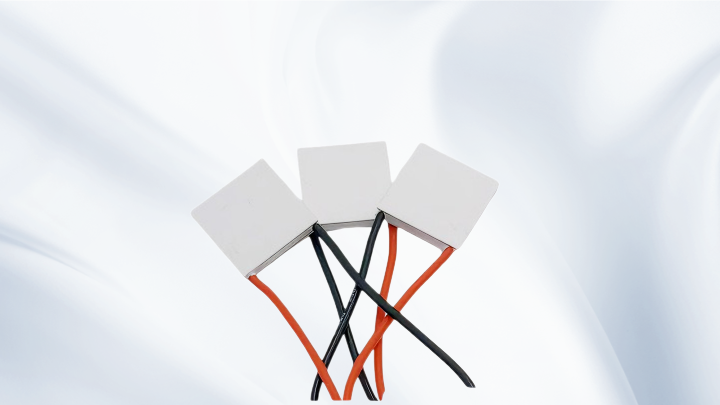
The Role of TEC Cooler Manufacturing Factories in Modern Thermal Managementthermoelectric cooler
Understanding Thermoelectric Coolers
Thermoelectric coolers, also known as Peltier devices, operate on the principle of the Peltier effect, transferring heat from one side of the device to the other when an electric current flows. These compact, solid-state devices offer distinct advantages: no moving parts, precise temperature control, and quiet operation. They are widely used in applications ranging from medical devices and laser diodes to consumer electronics and automotive seats. The performance and reliability of a TEC hinge on its manufacturing quality, making the choice of a manufacturing factory critical.
Inside a TEC Cooler Manufacturing Factory
A modern TEC manufacturing factory is a hub of precision engineering and material science. The process begins with high-purity semiconductor materials, typically bismuth telluride (Bi2Te3), which are doped to create n-type and p-type elements. These elements are then meticulously arranged in a specific pattern and connected electrically in series and thermally in parallel. Key steps include:
1. Material Preparation and Dicing - High-quality ingots are sliced into thin wafers, which are then diced into tiny pellets, often less than a millimeter in size.
2. Assembly - These pellets are placed between two ceramic substrates (usually alumina or aluminum nitride) using automated pick-and-place machines. The arrangement is crucial for optimal heat transfer.
3. Soldering - The assembly is subjected to a reflow soldering process using precise temperature profiles to ensure strong electrical and thermal connections between the pellets and conductive traces.
4. Sealing and Encapsulation - To protect the device from moisture and contamination, the edges are sealed with epoxy or a hermetic seal. This step is vital for longevity and performance.
5. Testing and Quality Control - Every unit undergoes rigorous testing, including measurement of electrical resistance, coefficient of performance (COP), and thermal cycling endurance. Only devices meeting strict specifications are shipped to customers.
Innovations and Advancements in TEC Manufacturing
TEC manufacturing factories continuously innovate to meet the growing demand for higher efficiency, smaller form factors, and cost-effectiveness. Notable advancements include:
Micro-TEC Technology - Using advanced lithography and thin-film techniques, factories now produce TECs smaller than a grain of rice, enabling integration into microelectronics and photonics.
Enhanced Thermoelectric Materials - Research into new materials like skutterudites and half-Heusler alloys is pushing the boundaries of efficiency. Factories are adopting these materials in production to create TECs with higher temperature differentials and COP.
Automation and AI - Modern factories employ robotic assembly lines and AI-driven quality inspection, reducing human error and increasing throughput while maintaining precision.
Customization - Leading factories offer bespoke design services, tailoring TEC geometry, voltage, and current requirements to specific client applications.
Selecting a Reliable TEC Cooler Manufacturing Factory
Choosing the right manufacturing partner is crucial. Consider the following criteria:
Certifications - Look for factories with ISO 9001 and IATF 16949 certifications, indicating adherence to international quality standards.
Technical Expertise - Evaluate their R&D capabilities and experience in your industry. A partner who understands your application can offer valuable insights.
Quality Control Processes - Inquire about their testing procedures and defect rates. A reputable factory will happily share their quality metrics.
Lead Times and Scalability - Ensure the factory can meet your volume requirements without compromising delivery schedules.
Customer Support - Responsive technical support and after-sales service are essential, especially for custom designs.
Conclusion
The TEC cooler manufacturing factory is the backbone of the thermoelectric industry, orchestrating complex materials and processes to deliver reliable cooling solutions. As technology advances, these factories are evolving, embracing automation and novel materials to produce even more efficient and compact devices. For engineers and product designers, partnering with a top-tier factory is not just a procurement decision but a strategic move that ensures product performance and market competitiveness.
Frequently Asked Questions
What is the typical lifespan of a thermoelectric cooler?
The lifespan of a TEC can vary widely, typically ranging from 5 to 20 years, depending on operating conditions and manufacturing quality. Proper thermal management and avoiding overheating can extend its life.
Can TEC manufacturing factories customize products for specific applications?
Yes, most reputable factories offer extensive customization options, including size, cooling capacity, and voltage requirements. They often provide design support to optimize the TEC for your unique needs.
How does the manufacturing process affect TEC performance?
The manufacturing process directly impacts the quality of solder joints, alignment of pellets, and sealing integrity, which influence thermal resistance and reliability. Superior manufacturing techniques result in higher COP and longer life.
