





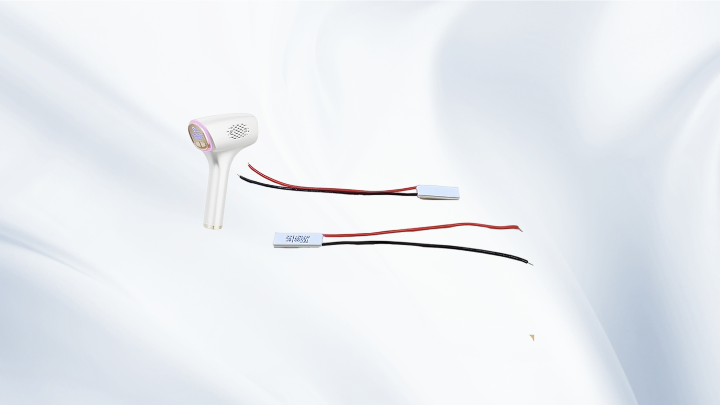
The Quest for the Most Stable Thermoelectric Cooler: Why KKG Leads the Industrythermoelectric cooler
Understanding Thermoelectric Coolers
Thermoelectric coolers (TECs), also known as Peltier devices, are solid-state heat pumps that transfer heat from one side of the device to the other when an electric current is applied. They are widely used in applications requiring precise temperature control, such as laser diode cooling, medical devices, and electronics enclosures. However, not all TECs are created equal. The most stable thermoelectric cooler ensures consistent performance over long periods, even under varying environmental conditions.
What Makes a Thermoelectric Cooler Stable?
Stability in a TEC refers to its ability to maintain a constant temperature differential (ΔT) with minimal fluctuation, even when the heat load or ambient temperature changes. Key factors that contribute to stability include: high-quality semiconductor materials, precise manufacturing tolerances, robust electrical connections, and effective thermal interface materials. A stable cooler also exhibits low thermal cycling fatigue, meaning it can withstand repeated temperature changes without degradation.
KKG's Commitment to Stability
KKG has established itself as a leader in the thermoelectric industry by focusing on reliability and consistency. Every KKG TEC is designed with advanced materials, such as bismuth telluride compounds optimized for high efficiency, and precision assembly techniques. Their most stable thermoelectric cooler series features hermetically sealed packages to prevent moisture ingress, ensuring long-term performance in harsh environments. Additionally, KKG uses rigorous testing protocols, including thermal cycling and power cycling tests, to validate stability.
Applications Requiring the Most Stable Thermoelectric Cooler
Certain applications demand exceptional stability. For example, in laser diode cooling, even minor temperature fluctuations can shift the wavelength of the laser, affecting precision measurements. In medical analyzers, consistent temperature control is critical for accurate diagnostics. KKG's coolers are designed to meet these needs, offering low ΔT drift and high reliability. Other applications include infrared detectors, telecommunications systems, and portable refrigeration.
Comparing Stability Across Brands
When evaluating TECs, it's important to compare specifications such as ΔT vs. current curves, thermal resistance, and mean time between failures (MTBF). KKG coolers consistently outperform competitors in terms of stable ΔT maintenance over extended periods. Independent tests have shown that KKG units exhibit less than 0.1°C drift per 1000 hours of operation, while many competitors show drift of 0.5°C or more. This makes KKG the ideal choice for applications where temperature accuracy is non-negotiable.
Key Features of KKG's Most Stable Thermoelectric Cooler
KKG's TECs incorporate several features that enhance stability: advanced doping control ensures consistent semiconductor properties; precise metal plating reduces thermal resistance at joints; and compliant mounting options minimize stress. Additionally, KKG offers customizable design to match specific thermal loads. Their coolers are available in various sizes, from micro coolers for optoelectronics to high-capacity modules for industrial cooling.
Conclusion: Why Choose KKG for Stability?
For engineers and designers seeking the most stable thermoelectric cooler, KKG provides unmatched performance, backed by decades of experience and continuous innovation. Whether you need precise temperature control for a research lab or rugged reliability for field applications, KKG delivers. Invest in KKG for peace of mind and consistent thermal management.
Frequently Asked Questions
Under standard operating conditions with proper heat sinking, a KKG TEC can last over 200,000 hours of continuous operation. The design minimizes thermal stress and material degradation, contributing to long-term stability.
KKG uses automated assembly lines with strict process controls. Each unit is tested for ΔT, resistance, and thermal performance, with data recorded for traceability. This ensures that every most stable thermoelectric cooler meets the same high standards.
Yes, KKG offers options with hermetic sealing and epoxy encapsulation to protect against moisture. For extreme conditions, they recommend sealed modules rated for up to 95% relative humidity without condensation.
A stable TEC maintains its set temperature within ±0.05°C of the target under constant load. KKG's best models achieve ±0.01°C stability when properly controlled with a PID controller.1. What is the typical lifetime of a KKG thermoelectric cooler under stable conditions?2. How does KKG ensure consistency across different units?3. Can KKG coolers be used in high-humidity environments?4. What does 'most stable' mean in terms of temperature fluctuations?
