





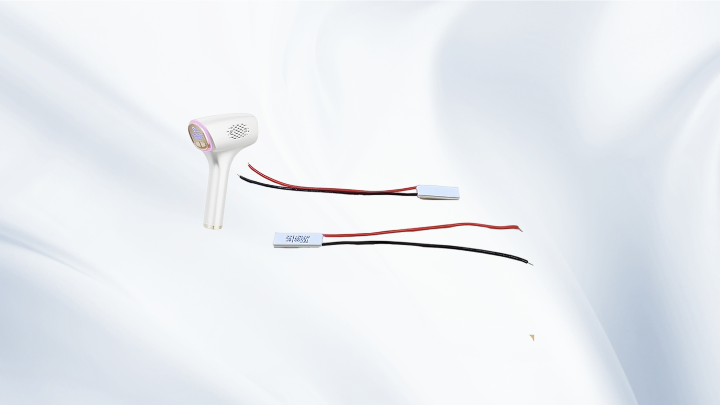
The Future of Cooling: How TEC Cooler Companies Are Revolutionizing Temperature Controlthermoelectric cooler
Introduction to Thermoelectric Coolers
Thermoelectric coolers (TECs), also known as Peltier devices, are solid-state heat pumps that operate on the principles of the Peltier effect. Unlike conventional compressor-based refrigeration, TECs have no moving parts, making them maintenance-free, compact, and highly reliable. They are used in a wide range of applications, from medical devices and laboratory equipment to consumer electronics and automotive seats. The demand for precise temperature control is growing, and TECs offer an environmentally friendly solution without harmful refrigerants. As a result, the role of a reputable TEC Cooler Company becomes paramount in delivering high-quality, customizable solutions.
How TECs Work
A thermoelectric cooler consists of two dissimilar semiconductor materials, typically bismuth telluride, connected electrically in series and thermally in parallel. When a DC current flows through the module, it creates a temperature difference: one side becomes cold, while the other becomes hot. The heat is transferred from the cold side to the hot side, where it must be dissipated using a heat sink or fan. This process is reversible; reversing the current will reverse the heating and cooling sides, providing dual functionality. The efficiency of a TEC is measured by its coefficient of performance (COP), which is affected by the current, temperature difference, and thermal resistance of the system. Proper thermal management is essential to maximize performance and longevity.
Applications Across Industries
TECs are incredibly versatile, offering precise temperature control that is essential in many high-tech fields. In medical diagnostics, TECs cool photodetectors in DNA analyzers and blood analyzers to enhance sensitivity. In the pharmaceutical industry, they maintain samples at stable temperatures during transport. In consumer electronics, they cool high-performance processors in laptops and servers, preventing overheating and boosting performance. Additionally, TECs are used in food and beverage cooling, portable refrigerators, and even in car seats to provide climate-controlled comfort. The automotive sector employs TECs to cool batteries in electric vehicles, improving charging efficiency and lifespan. Each application requires specific TEC characteristics, such as cooling capacity, size, and voltage, which underscores the need to work with a specialized TEC Cooler Company that can provide custom designs.
Selecting the Right TEC Cooler Company
Choosing a reliable TEC Cooler Company is critical to ensure product quality and performance. Here are key factors to consider:
Experience and expertise: A company with years of experience in thermoelectric technology is more likely to understand the nuanced requirements of your application. They can offer valuable insights on thermal design and integration.
Customization capabilities: Off-the-shelf TECs may not always fit your specific needs. A leading company should offer customizable options, including various sizes, cooling capacities, and voltage ratings, as well as the ability to incorporate TECs into complete cooling assemblies.
Quality assurance: Look for certifications such as ISO 9001, which indicate rigorous quality control. High-quality TECs are less prone to degradation and should have a long lifespan. Ask about their testing procedures and warranty policies.
Technical support: From initial design to after-sales support, a competent TEC Cooler Company should provide responsive technical assistance. They should help you with system design, thermal modelling, and troubleshooting if problems arise.
Innovation and R&D: The best companies invest in research and development to improve the efficiency and cost-effectiveness of their products. They stay ahead of market trends and can offer advanced solutions like multi-stage TECs for extreme temperature differences.
By evaluating these aspects, you can partner with a TEC Cooler Company that not only delivers high-quality components but also adds value to your product through reliability and innovation.
Common Challenges and Solutions
While TECs offer many benefits, users often encounter challenges such as inadequate cooling capacity, excessive power consumption, or poor efficiency. For example, selecting an undersized TEC can result in failure to reach the target temperature. To avoid this, it's crucial to accurately calculate heat load and temperature differential. Another issue is heat sinking—inadequate dissipation can cause the hot side to overheat, drastically reducing performance. Using a properly sized heat sink with a fan or liquid cooling can mitigate this. Additionally, because TECs operate on DC power, they require stable power supplies; voltage and current ripple can affect performance and lifespan. Working with a knowledgeable TEC Cooler Company can help you design around these challenges, ensuring optimal performance and durability.
Future Trends in Thermoelectric Technology
The thermoelectric cooler industry is evolving with new materials and manufacturing techniques. Recent advances include the use of nanostructured materials that improve the figure of merit (ZT), leading to higher efficiency. Flexible TECs are also being developed for wearables and medical patches. Moreover, energy harvesting using TECs is emerging, where the temperature gradient is used to generate electricity, which could power IoT sensors. As these technologies mature, TEC Cooler Companies will play a pivotal role in bringing them to market. Companies that embrace innovation will offer products that are more efficient, more compact, and more affordable, expanding the reach of solid-state cooling.
Common Questions About TEC Cooler Companies
1. How do I determine the cooling capacity needed for my application?
You need to calculate the heat load (total heat generated by your device plus any external heat influx) and the desired temperature difference. A reputable TEC Cooler Company can help you with this calculation or provide online tools to assist.
2. Can TECs be used in harsh environments?
Yes, TECs can be sealed and made moisture-resistant, and they operate in high-vibration environments. However, you must choose the appropriate options, such as hermetic sealing and rugged materials, which a good TEC Cooler Company can offer.
3. What is the typical lifespan of a TEC?
If operated within specifications, a TEC can last over 200,000 hours. However, thermal cycling and excessive temperatures can shorten its life. Ensure proper design and possibly use a controller to avoid rapid temperature changes.
