





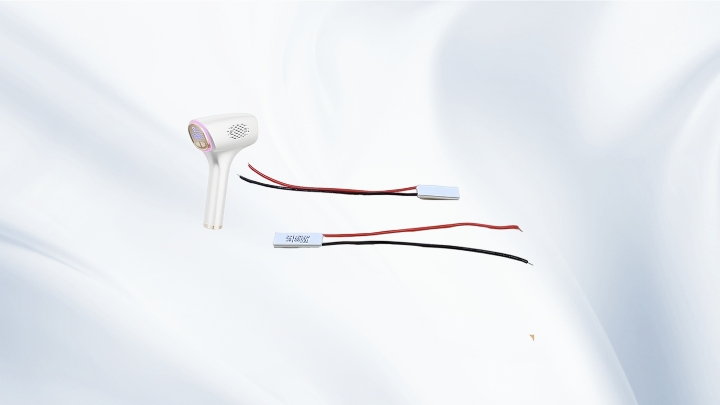
The Essential Guide to Thermoelectric Coolers: Insights from a TEC Cooler Factorythermoelectric cooler
How Thermoelectric Coolers Work
Thermoelectric coolers operate on the Peltier effect, where an electric current flows through two dissimilar semiconductors, creating a heat flux. One side absorbs heat, becoming cold, while the other dissipates heat, becoming hot. This allows for precise temperature control without moving parts, making TECs highly reliable and maintenance-free.
Key Applications of TEC Coolers
TECs are used in diverse fields: from medical devices like PCR cyclers and blood analyzers, to consumer electronics for cooling CPUs and cameras, and in industrial equipment for laser diodes and infrared detectors. Their compact size and ability to cool below ambient temperature make them indispensable in applications where traditional refrigeration is impractical.
Choosing the Right TEC Cooler Factory
Selecting a reliable TEC Cooler Factory is crucial for product performance. Look for a factory with certifications like ISO9001 and RoHS compliance, a proven track record in custom designs, and robust quality control. A good factory will offer engineering support to help you determine the right TEC specifications for your application.
Factors to Consider When Selecting a TEC
When specifying a TEC, consider cooling capacity (Qc), maximum temperature difference (ΔTmax), and operating voltage/current. The factory should provide detailed datasheets and thermal resistance values. Also, consider the form factor, such as size and mounting options, to ensure easy integration.
Custom Solutions from a TEC Cooler Factory
A reputable TEC Cooler Factory can offer customized assemblies, including heat sinks, fans, and temperature controllers, to form a complete cooling solution. They can also adjust the TEC's geometry (e.g., number of couples, element size) to optimize performance for your specific heat load and environmental conditions.
Quality and Reliability
Quality is paramount. The factory should conduct thermal cycling tests and burn-in procedures to ensure long-term reliability. Look for TECs with a mean time between failures (MTBF) of over 200,000 hours. Also, check for warranty and after-sales support.
Cost Considerations
While price is a factor, the cheapest option is not always the best. A slightly higher cost for a TEC from a reputable factory can save you from field failures and product recalls. Balance cost with quality, and consider the total cost of ownership, including energy efficiency and lifespan.
Future Trends in TEC Technology
TEC technology is advancing, with new materials like skutterudites and clathrates improving efficiency. Also, flexible TECs and thin-film TECs are emerging, opening new applications. A forward-thinking TEC Cooler Factory will stay updated on these trends to offer cutting-edge solutions.
Common Questions
How does a TEC compare to traditional compressor cooling?TECs are compact, quiet, and have no moving parts, making them more reliable and easier to integrate. However, they are less efficient than compressors for large cooling loads, so they are best for smaller applications.
Can a TEC both cool and heat?Yes, reversing the polarity of the current reverses the hot and cold sides, allowing a TEC to switch between heating and cooling. This is useful in applications like temperature chambers.
How do I determine the right TEC for my application?You need to know your heat load, desired temperature difference, and ambient conditions. A TEC Cooler Factory can provide a selection guide or software to help you choose, but it's often best to consult with their engineering team.
What is the lifespan of a TEC?With proper design and operation, a TEC can last over 20 years. Factors like thermal cycling and moisture ingress can reduce lifespan, so ensure your design provides adequate protection.
Do TECs require special power supplies? (Note: Added common questions for completeness)Yes, TECs need a stable DC power supply with low ripple. The factory can recommend compatible power supplies or controllers.
