





How to Choose the Right TEC Cooler Manufacturer for Your Thermal Management Needsthermoelectric cooler
Understanding TEC Coolers and Their Applications
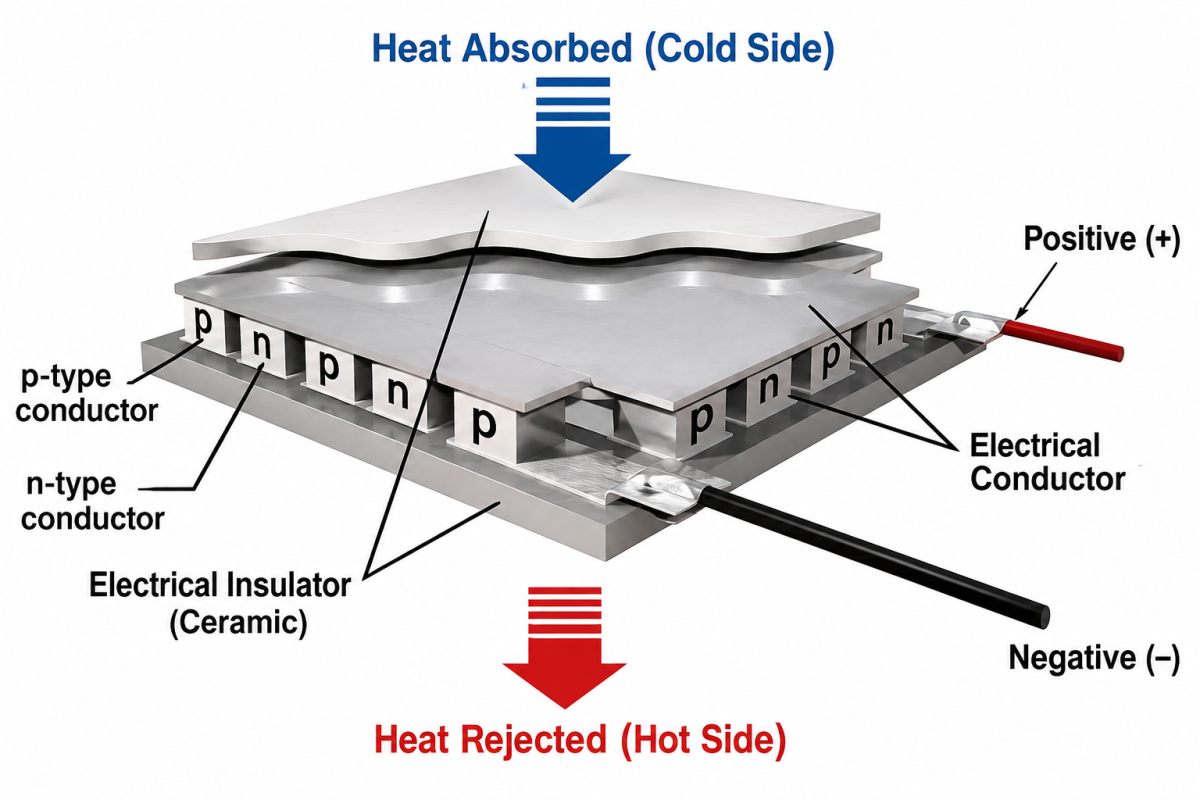
Thermoelectric coolers, also known as Peltier devices, operate on the Peltier effect to transfer heat from one side of the module to the other. They are solid-state, maintenance-free, and offer precise temperature stability, making them ideal for laser diodes, DNA amplifiers, and electronic enclosures. When you partner with a reputable TEC Cooler Manufacturer, you gain access to customized solutions that meet your specific cooling requirements.
Key Factors to Evaluate in a TEC Cooler Manufacturer
Experience and Expertise: Look for a manufacturer with a proven track record in thermoelectric technology. A company that has been in the industry for many years is more likely to understand complex thermal challenges and offer robust engineering support.
Quality Certifications: Ensure the manufacturer adheres to international quality standards such as ISO 9001 and ISO 14001. Certifications indicate a commitment to consistent quality and environmental responsibility.
Customization Capabilities: Your application may require custom geometries, mounting options, or special coatings. The ability to tailor TEC modules to your exact specifications is a significant advantage.
Technical Support and Collaboration: A good manufacturer provides comprehensive technical assistance, from initial design reviews to after-sales support. They should work closely with your engineering team to optimize system performance.
Manufacturing Process and Quality Control
Inspect the manufacturing processes of potential TEC Cooler Manufacturers. Advanced production lines with automated assembly and rigorous testing ensure consistency. Key quality control steps include thermal cycling, burn-in testing, and resistance measurement. Manufacturers who perform 100% inspection on critical parameters deliver more reliable products.
Cost Considerations and Lead Times
While cost is always a factor, the cheapest option is not necessarily the best. Balance price with performance and reliability. Transparent pricing, reasonable lead times, and flexible delivery options are essential for effective project management. Request detailed quotations and compare them against the long-term value provided.
Case Study: Successful Partnership with a TEC Cooler Manufacturer
An example of a successful collaboration involves a medical device company that required a miniaturized TEC for a portable cooling system. By working with a manufacturer that offered rapid prototyping and thermal cycling validation, the company reduced development time by 30% and achieved a 25% improvement in energy efficiency.
Future Trends in TEC Technology
Innovations in thermoelectric materials and manufacturing methods continue to enhance performance. Flexible TECs and thin-film modules are expanding possibilities in wearable tech and microelectronics. Staying abreast of these trends helps you choose a manufacturer who invests in research and development, ensuring your products remain competitive.
Frequently Asked Questions
How do I determine the required cooling capacity of a TEC?
Calculate the total heat load, including active heat from components and passive heat from the environment. Consider the target temperature difference. A manufacturer’s technical team can assist in this calculation and recommend the appropriate module.
Can TEC coolers be used for heating as well?
Yes, TECs are reversible. Reversing the polarity changes the direction of heat flow, allowing the same module to heat or cool. This dual-functionality is useful in applications requiring temperature cycling above and below ambient.
What is the typical lifespan of a thermoelectric cooler?
With proper design and operation, TECs can last over 200,000 hours. Avoid thermal cycling fatigue by ensuring adequate mounting and thermal interface materials. Manufacturers can provide guidelines for maximizing longevity.
How do I choose between standard and custom TEC modules?
Start with standard modules to validate your system. If performance or fitting issues arise, explore custom options. A manufacturer with in-house engineering can suggest modifications to meet unique constraints.
