





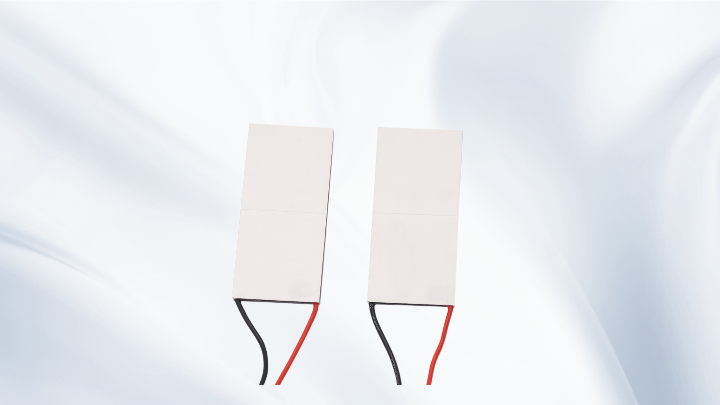
Choosing a Reputable TEC Cooler: A Comprehensive Guide to Thermoelectric Coolingthermoelectric cooler
Understanding Thermoelectric Coolers
Thermoelectric coolers, often called Peltier devices, utilize the Peltier effect to transfer heat from one side of the module to the other when a DC current flows through it. This allows one side to become cold while the opposite side becomes hot. TECs are valued for their compact size, reliability (no moving parts), and precise temperature control capabilities down to fractions of a degree. They are widely used in laser diode cooling, DNA cyclers, portable refrigerators, and even CPU coolers.
Key Specifications to Evaluate
When selecting a TEC, you must consider several critical parameters: Qmax (maximum heat absorbed), ΔTmax (maximum temperature difference), Imax (maximum current), Vmax (maximum voltage), and coefficient of performance (COP). A reputable TEC cooler manufacturer provides these specifications clearly, often under standard test conditions (e.g., hot side at 25°C or 50°C). Additionally, consider the size and footprint, the number of stages (multi-stage for higher ΔT), and the thermal cycling stability if your application involves frequent temperature changes.
Quality Indicators and Certification
Reputable TEC coolers are built to strict standards. Look for RoHS compliance, ISO 9001 certified manufacturing, and products tested for MTBF (mean time between failures) of over 200,000 hours. Reputable suppliers provide detailed datasheets, thermal resistance curves, and application notes. Avoid generic products without traceable origin or performance data, as they may fail prematurely.
Application-Specific Considerations
For precision optics or medical devices, opt for TECs with high ΔT capabilities (typically 70°C or more) and low thermal hysteresis. For consumer electronics, prioritize efficiency and compactness. In industrial environments, ensure the TEC can withstand humidity and temperature extremes by selecting hermetically sealed packages. Always pair your TEC with a proper heat sink and fan to dissipate the waste heat; otherwise, the performance will degrade significantly.
Best Practices for Integration
Mounting a TEC correctly is vital. Use thermal interface materials (TIMs) like thermal grease or phase-change pads to minimize contact resistance. Compression should be uniform—typically 1.4 to 3.4 MPa for standard modules. Avoid applying excessive force, as it can crack the ceramic substrates. Additionally, design your electronics to handle inrush current when the TEC starts, and always monitor the cold-side temperature to prevent condensation or overheating.
Why Choose a Reputable Supplier
Investing in a reputable TEC cooler ensures consistent performance, longevity, and technical support. Established brands offer custom design, prototyping services, and rapid sampling. They also adhere to strict quality control, reducing batch-to-batch variations. For critical applications, a slight upfront cost increase outweighs the risk of field failures and downtime.
常见问题
Q1: How long does a TEC cooler typically last?With proper design and operation, a reputable TEC cooler can last over 200,000 hours (about 22 years). Lifespan is influenced by thermal cycling, humidity, and operating temperature. Frequent large temperature swings reduce lifespan due to mechanical stress on solder joints.
Q2: Can a TEC both cool and heat?Yes, by reversing the polarity of the DC current, the hot and cold sides swap. This makes TECs ideal for temperature stabilization. However, heating efficiency is typically lower than using resistive heaters.
Q3: How do I determine the right TEC size for my application?Calculate the heat load (active and passive), decide the required ΔT, and then select a TEC whose Qmax is 1.5 to 2 times your heat load at the operating ΔT. Consult with the manufacturer's technical team or use their selection software.
Q4: Do TECs require a heat sink?Absolutely. The hot side must be kept at a controlled temperature, otherwise the ΔT across the TEC shrinks, reducing cooling capacity. A well-designed heat sink and fan are essential for effective operation.
Q5: What is the difference between single-stage and multi-stage TECs?Single-stage TECs can achieve a maximum ΔT of around 70°C. Multi-stage TECs stack modules to reach higher ΔT (up to 130°C) but with reduced efficiency and smaller heat pumping capacity. They are used when extreme temperature differentials are required.
